



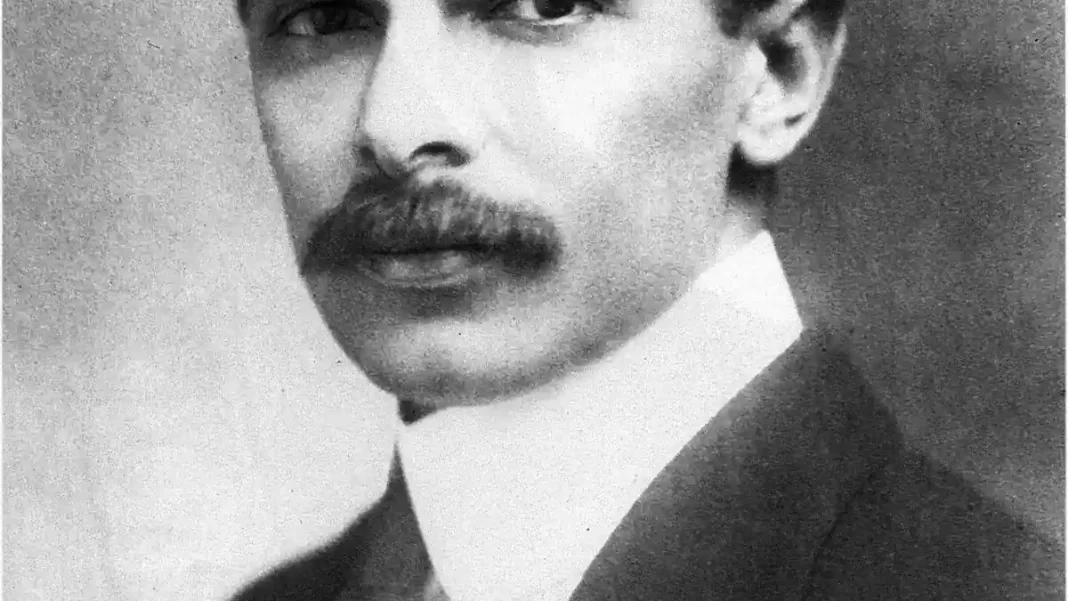
Baba-e-Qaum — Father of the Nation. The title belongs to one man: Muhammad Ali Jinnah. This guide explains the title, what it means, and how Pakistan honours its bearer.
Quick answer: The Father of the Nation of Pakistan is Muhammad Ali Jinnah — officially styled Baba-e-Qaum (بابائے قوم). The title recognises him as the founder of Pakistan: leader of the Pakistan movement, first Governor-General, and the man without whom the country would not exist.
In this guide
The Title
Baba-e-Qaum (بابائے قوم) — literally ‘Father of the Community/Nation’ — is Jinnah’s official honorific, alongside Quaid-e-Azam (Great Leader). The ‘Father of the Nation’ framing parallels Gandhi’s ‘Bapu’ in India and Washington in America — the founder as national parent. It’s used in official documents, textbooks and ceremonies; the 25 December birthday is Quaid Day, a public holiday.
How Pakistan Honours Him
- Mazar-e-Quaid (Karachi) — the great marble mausoleum; the national monument
- Currency — Jinnah’s portrait on every banknote
- Quaid Day — 25 December, public holiday
- Jinnah’s 11 August speech — quoted in every debate on Pakistan’s identity
- Countless roads, institutions — Jinnah International Airport, Quaid-e-Azam University…
The man behind the title: who is the founder of Pakistan.
Quaid-e-Azam vs Baba-e-Qaum
Two titles, two meanings: Quaid-e-Azam (Great Leader) — the political honorific, used daily; Baba-e-Qaum (Father of the Nation) — the national honorific, used officially. ‘Quaid’ is affection; ‘Baba’ is institution. Pakistanis say ‘the Quaid’ the way Americans say ‘the Founders’ — the title became the man. Both date to the 1940s; both are now constitutionally-adjacent in their sanctity — insulting Jinnah is effectively taboo in Pakistani public life.
Frequently Asked Questions
Who is Baba-e-Qaum?
Muhammad Ali Jinnah — ‘Baba-e-Qaum’ (Father of the Nation) is his official honorific as Pakistan’s founder.
Why is Jinnah called Father of the Nation?
Because he founded Pakistan — leading the Muslim League’s movement from the Lahore Resolution to independence, then serving as its first Governor-General.
 — the title, its meaning, and how Pakistan honours him.)