Pakistan economy news today — the latest verified figures: inflation, the rupee, reserves, growth and what they mean.
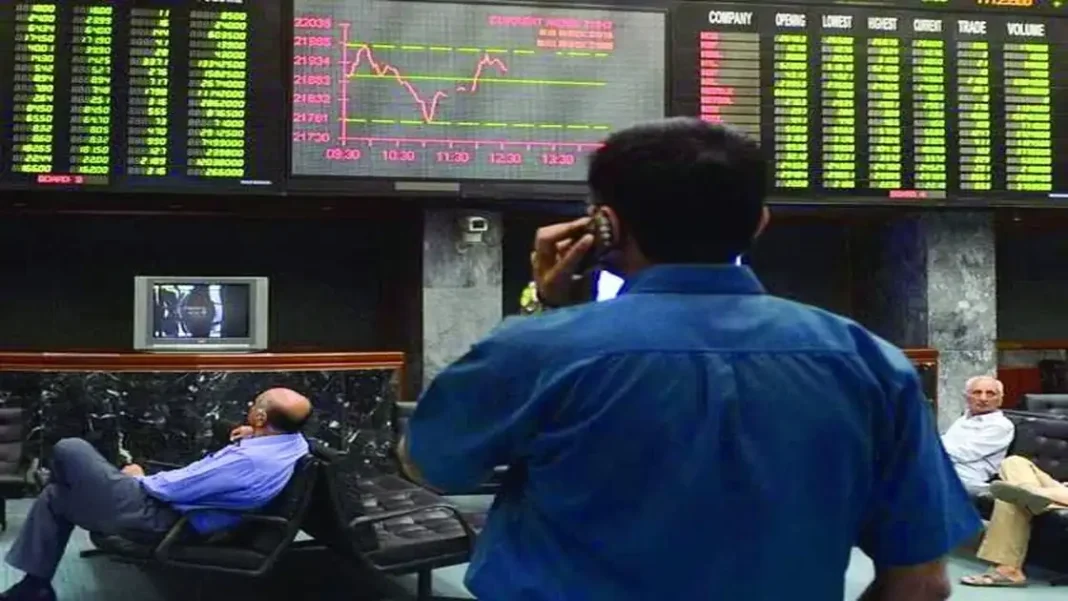
Quick answer: Pakistan’s economy today (11 Oct 2026): inflation 10.26% YoY (September CPI), weekly SPI at 11.97%; SBP rate 11.5%; rupee Rs277 interbank; KSE-100 at 167,089; reserves $21.45bn; Q1 FY26 GDP +3.7%. Stabilised — but 10% inflation keeps the squeeze on households.
Prices & Inflation: The Latest
Consumer inflation: 10.26% year-on-year in September 2026 (PBS), with prices up 1.27% month-on-month. The weekly data is running hotter: the Sensitive Price Indicator rose 0.57% in the week to 8 October — 11.97% year-on-year, the highest in the latest 10-week series. The movers: wheat flour (20kg) +5.69% to Rs2,851, chicken +4.93% to Rs383/kg, gram pulse +3.99%, petrol +2.40% to Rs398.87/litre. Of 51 tracked items, 20 rose and only 6 fell. The multilaterals (ADB 8.3%, World Bank 8.2%, IMF 8.4% for FY27) are all below current readings — the SBP’s 5–7% medium-term target looks distant.
Money & the Rupee
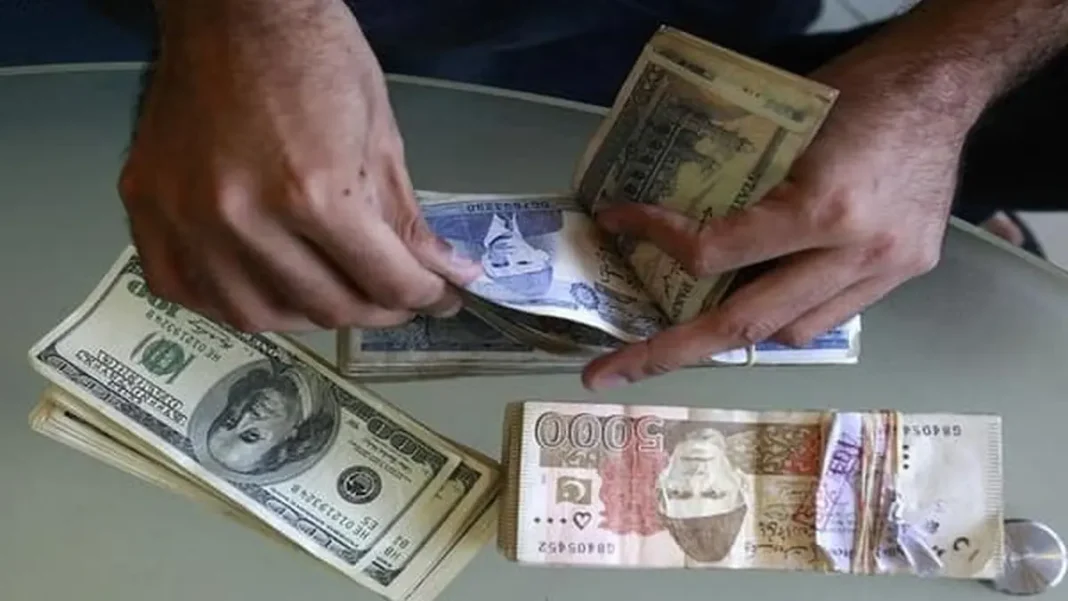
The SBP held its policy rate at 11.50% on 14 September — but money markets are betting on a hike: T-bill yields jumped up to 75bps in recent auctions (12-month at 12.49%), and 6-month KIBOR is 12.41%. The October MPC decision is the key event. The rupee sits at Rs277.00 interbank (Rs278.69 open market, 9 Oct) — steady, backed by $21.45bn in SBP reserves rebuilt after September’s $3bn Eurobond. Gold in Karachi: Rs378,031 per 10 grams. Markets detail: Pak economy news: SBP, PSX & IMF.
The Real Economy
GDP grew 3.7% YoY in Q1 FY26 (provisional) vs 1.6% a year earlier; large-scale manufacturing +3.03% YoY in July. The current account deficit shrank 36% to $543m in July–August, as remittances surged 14.7% to $7.29bn and services exports jumped 28.8%. FDI rose ~25% to $494.5m. But: export-oriented industry is contracting, energy costs 14–16 US cents/unit, and four years of sub-4% growth haven’t dented 44% poverty. The FBR collected Rs1.722tn (+3.7%) in July–August — sales tax strong, direct taxes down 2.9%. The full picture: Pakistan economy news: the complete guide.
What It Means
Stabilised, not solved. The 2023 crisis is over — reserves rebuilt, rupee steady, markets reopened. But 10% inflation with 11.5% interest rates means borrowing stays expensive, the kitchen budget stays tight, and industry stays cautious. Watch three things: the SBP’s October decision, whether weekly inflation cools, and whether remittances keep covering the import bill.
The number to watch weekly: the PBS’s Sensitive Price Indicator, released every Friday — it’s the earliest read on where prices are heading, and at 11.97% YoY it’s currently the most worrying figure in the economy. If it stays near 12%, the multilaterals’ 8.2–8.4% FY27 inflation forecasts will be overtaken within months, and the SBP will have little choice but to tighten further.
The external bright spot: the current account deficit’s 36% fall and $7.29bn in remittances are doing the heavy lifting — without the diaspora’s record transfers, the rupee’s steadiness at Rs277 would be impossible. That dependence is also the vulnerability: remittance flows are sensitive to Gulf economic cycles, and Pakistan’s import bill is growing again.
Economy Today: FAQs
What is Pakistan’s inflation rate today?
10.26% YoY (September CPI); weekly SPI at 11.97% (week to 8 Oct 2026).
What is the dollar rate today?
Rs277.00 interbank (9 Oct 2026); Rs278.69 open market.
What is Pakistan’s GDP growth?
3.7% YoY in Q1 FY26 (provisional).
Are Pakistan’s forex reserves recovering?
Yes — $21.45bn with SBP after September’s $3bn Eurobond; $26.80bn total.