Millions of people suffer from potassium deficiency without knowing it. This mineral is essential for heart, muscle, and nerve health. Experts warn that low potassium can cause serious health problems.
Studies show potassium can reduce the risk of stroke by 20% and heart disease by 24%. Yet, most people do not get enough in their diet.
Professor John Young of Thysaid University says poor diets are the main cause. Ultra-processed foods and high salt intake reduce potassium in the body. Modern diets are often low in fruits and vegetables.
Potassium plays key roles in the body. It regulates nerve signals, supports muscle function, and keeps the heartbeat steady. It also lowers the effects of sodium and controls blood pressure.
Even mild potassium deficiency can cause symptoms. Muscle cramps, fatigue, headaches, and constipation are common signs. Severe deficiency can lead to irregular heartbeat, digestive problems, mental confusion, and breathing issues. It can also trigger depression and serious heart conditions.
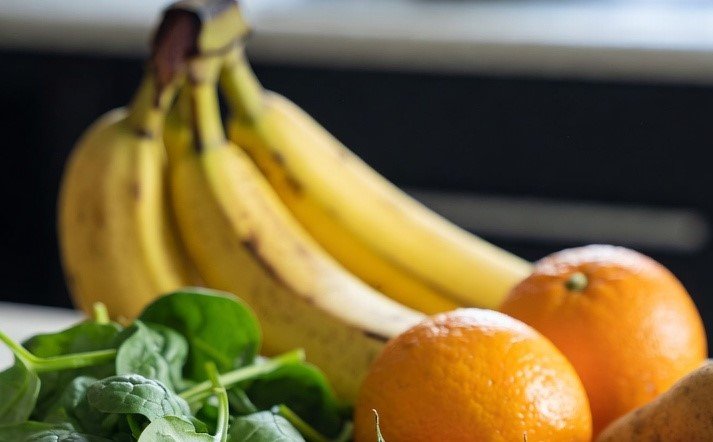
Preventing potassium deficiency is easy with the right diet. Foods rich in potassium include: Vitamins matter just as much: understanding vitamin B12 deficiency, its symptoms, causes and treatment, can help you spot problems early.
- Bananas
- Spinach
- Avocados
- Potatoes
- Tomatoes
- Beans and lentils
- Nuts
Eating these foods daily can maintain healthy potassium levels. It supports heart health, muscles, nerves, and overall energy.
Reducing salt intake is also important. Too much sodium can lower potassium levels. Staying hydrated helps your body absorb potassium more effectively.
People at higher risk include those with kidney problems, high blood pressure, or those taking certain medications. Doctors can advise on supplements or dietary adjustments.
Potassium is not just a mineral—it is vital for life. It protects against heart disease, stroke, and other serious conditions. Maintaining proper levels improves energy, mood, and overall health.
Simple steps can prevent deficiency:
- Eat potassium-rich fruits and vegetables daily.
- Limit ultra-processed and salty foods.
- Drink enough water.
- Monitor symptoms like cramps or fatigue.
By taking these steps, you reduce the risk of long-term health problems. Your heart, muscles, and nerves will thank you.
Potassium deficiency may be common, but it is preventable. A few small changes in your diet can make a huge difference. Start today by including bananas, spinach, avocados, and beans in your meals.
Your health is in your hands. Don’t ignore potassium deficiency—it is silent but serious. Keep your potassium levels balanced and enjoy better health, energy, and wellbeing.