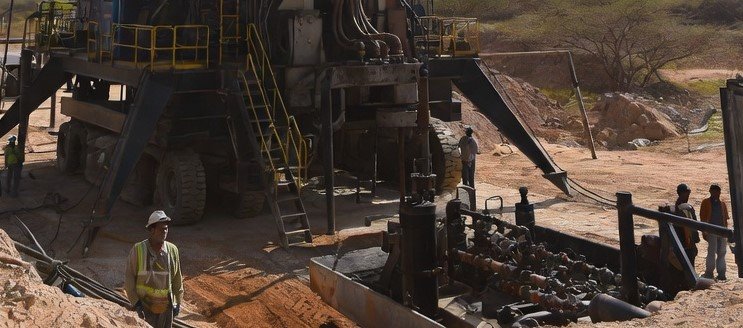
Pakistan is taking a major step in energy production. The first horizontal oil well in Pakistan has started producing oil in Hyderabad, Sindh. Developed by Oil & Gas Development Company Limited (OGDCL), the well is already showing strong results. It demonstrates how modern technology and strategic support can increase local output and strengthen energy security.
The Pasakhi‑13 well produces about 460 barrels of oil daily. Engineers drilled it to a depth of 2,966 meters. The well includes a 546‑meter horizontal section. By using advanced geosteering and Electrical Submersible Pump (ESP) technology, the well produces almost three times more than traditional vertical wells.
OGDCL confirms this project marks a major breakthrough. Officials say it proves modern drilling techniques can unlock Pakistan’s energy potential. They added that joint venture partners helped complete the well and ensure steady production.
Increasing local oil production reduces reliance on imported petroleum. Pakistan spends billions annually on fuel imports. Every barrel produced domestically saves money and strengthens the economy. Industries, transport sectors, and consumers all benefit from higher local supply.
Energy expert Dr. Mohammad Arif praised the project. He said, “OGDCL’s performance in oil and gas discoveries is ideal. This horizontal well shows how modern technology can boost production efficiently.” He added that the success will encourage more investment in energy projects.
The well was developed with policy guidance from the Sindh Infrastructure Finance Company (SIFC). SIFC supports projects that adopt modern technology and promote economic growth. Their backing has accelerated progress in the energy sector.
Horizontal drilling allows engineers to access more oil than a vertical well. It improves reservoir contact and increases flow rates. When combined with ESP technology, production becomes higher and more stable. This approach sets a new benchmark for Pakistan’s oil exploration.
Experts say the success of Pasakhi‑13 could change energy exploration in Pakistan. Several other fields may adopt similar techniques. If replicated, these projects could add thousands of barrels per day to local production.
Economists also welcomed the news. More local oil production supports economic growth, creates jobs, and generates revenue for companies. It also reduces pressure on foreign exchange reserves.
In summary, Pasakhi‑13 marks a major milestone for Pakistan’s energy sector. Modern technology, expert engineering, and strong policy support are driving results. With continued progress, Pakistan can increase energy security, reduce imports, and boost economic stability. This success signals a promising future for the country’s oil and gas industry.