


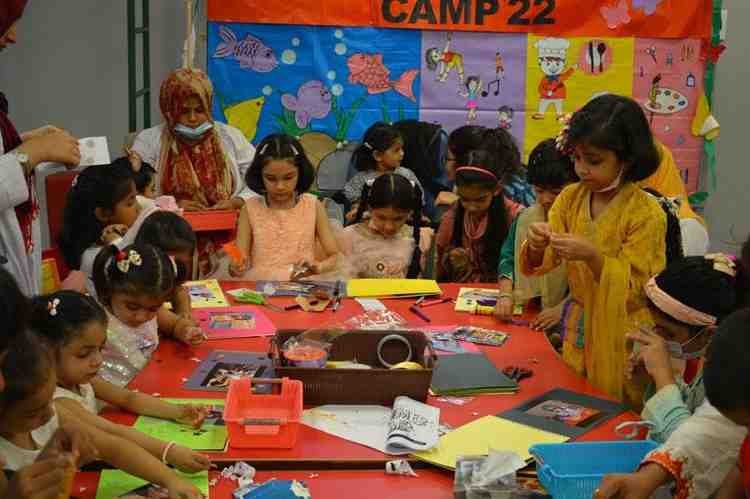
Every summer, the same scene unfolds. Schools close. Children celebrate. Parents start searching for ways to keep their kids engaged. Within days, social media fills with advertisements for summer camps. Every camp promises creativity, confidence, leadership, communication skills, and endless fun.
The popularity of summer camps continues to grow every year. However, an important question deserves attention. Are we helping children grow, or are we simply keeping them busy until school starts again?
The answer depends on how we view childhood itself.
The Rise of Summer Camps
The demand for summer camps has increased significantly in recent years.
Parents now live in a fast-paced world. Many families struggle to balance work, household responsibilities, and parenting. As a result, summer camps often offer the perfect solution.
Children stay active. Parents gain peace of mind. Organizers provide structured activities.
At first glance, everybody wins.
However, we should look beyond convenience. We should ask whether summer camps truly support a child’s development or fill empty hours.
That distinction matters.
Summer Camps Can Offer Real Growth
When designed thoughtfully, summer camps can provide valuable experiences.
Children learn outside traditional classrooms. They interact with new people. They solve problems independently. They discover interests that regular school schedules often overlook.
A child who struggles with confidence may find a voice through public speaking activities.
Another child may discover artistic talent through painting, music, or storytelling.
Some children develop teamwork skills through sports and group projects.
These experiences create learning opportunities that textbooks alone cannot provide.
Moreover, children often remember lessons from experience longer than lessons from lectures.
That is one reason many parents support summer camps.
The Problem with Activity for the Sake of Activity
At the same time, not all summer camps deliver meaningful outcomes.
Many programs focus heavily on keeping children occupied.
Children move from one activity to another. They complete worksheets. They participate in games. They attend sessions filled with instructions and schedules.
Yet they may learn very little.
In some cases, camps replicate school environments.
Children spend another day following rules, completing tasks, and moving through predetermined routines.
If that happens, the purpose of summer disappears.
Children need growth. However, they also need freedom.
Without balance, summer camps risk becoming another form of academic pressure.
Have We Forgotten the Value of Unstructured Time?
Modern parenting often celebrates productivity.
We want children to learn constantly. We want them to stay busy. We want every hour to produce measurable results.
Unfortunately, childhood does not work that way.
Children grow through exploration.
They learn through imagination.
They develop creativity through boredom.
When children have free time, they invent games. They create stories. They ask questions. They experiment with ideas.
Those moments build critical thinking and independence.
Yet many summer camps leave little room for spontaneous discovery.
Every minute follows a schedule.
Every activity has a target.
Every outcome requires measurement.
As a result, children sometimes lose opportunities to be children.
Summer Camps Should Build Life Skills
The best summer camps focus on life skills rather than endless activities.
Children need communication skills.
They need emotional intelligence.
They need confidence.
They need resilience.
Most importantly, they need opportunities to make decisions and learn from mistakes.
A successful camp encourages curiosity.
It encourages leadership.
It encourages collaboration.
These qualities prepare children for life, not just for the next school year.
Therefore, parents should evaluate programs carefully.
A busy schedule does not automatically mean a valuable experience.
Meaningful growth matters more than a packed timetable.
The Commercialization of Summer Camps
Another issue deserves discussion.
Many organizations market summer camps as miracle solutions.
Promotional materials often promise leadership, entrepreneurship, coding expertise, creativity, confidence, and academic excellence within a few weeks.
Such promises deserve skepticism.
Real growth takes time.
Children do not transform overnight.
Parents should avoid selecting programs based solely on attractive marketing language.
Instead, they should ask practical questions.
What will children actually do?
What skills will they practice?
Who will guide them?
How will the program encourage participation?
These questions reveal far more than colorful advertisements.
What Parents Should Really Look For
Parents should focus on quality rather than quantity.
A good camp creates engagement.
A great camp creates transformation.
Before enrolling children in summer camps, parents should carefully examine the learning environment.
Look for programs that encourage discussion.
Look for activities that develop creativity.
Look for opportunities for teamwork.
Look for mentors who inspire rather than instruct.
Most importantly, observe whether children enjoy the experience.
Excitement often signals meaningful learning.
If children return home energized, curious, and eager to share their experiences, the program likely provides real value.
The Bigger Question About Childhood
The debate may extend beyond summer camps.
It may reflect a broader question about modern childhood.
Why do we feel uncomfortable when children have free time?
Why do we rush to fill every gap in their schedules?
Why do we assume productivity equals development?
Children need opportunities to learn. However, they also need opportunities to reflect.
They need structure. Yet they also need freedom.
Growth happens when both elements exist together. That balance remains essential.
Final Thoughts
Summer camps are neither inherently good nor inherently bad. Their value depends on purpose, design, and execution.
The best summer camps inspire curiosity, confidence, and personal growth. They help children develop skills that last long after summer ends.
However, weaker programs keep children occupied. Parents should not choose camps because everyone else does. Instead, they should choose experiences that genuinely enrich their children’s lives.
At the end of the day, childhood should not become a race from one activity to the next. Children deserve opportunities to learn, explore, imagine, and grow. If summer camps help achieve those goals, they serve an important purpose.
If they merely keep kids busy, we should rethink what childhood really needs.