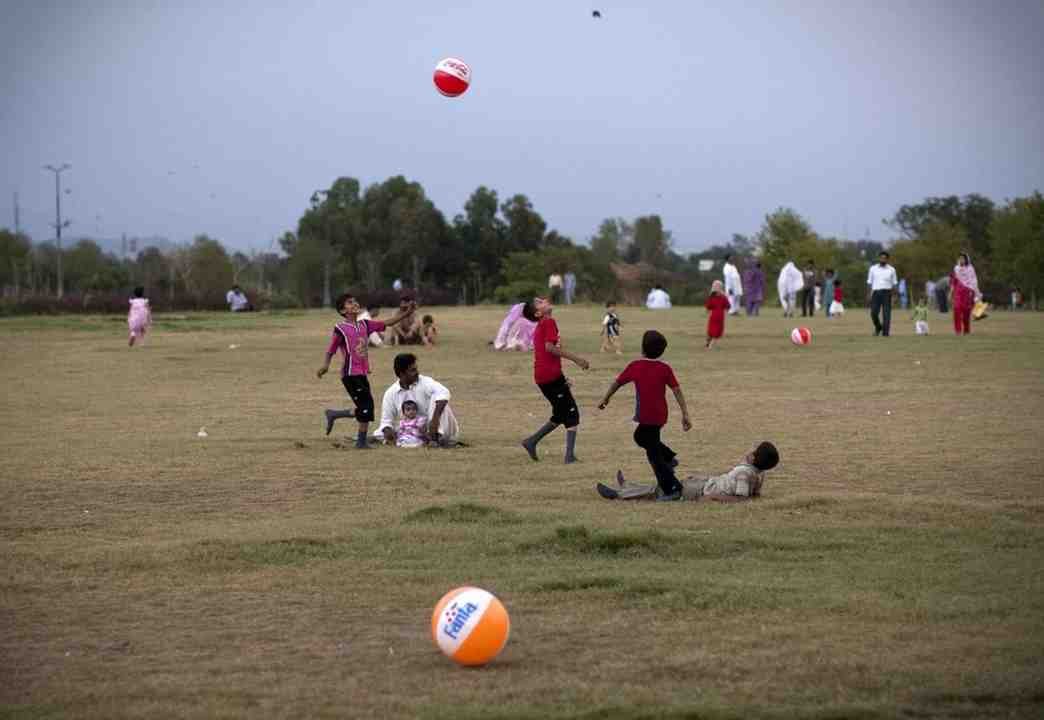
There was a time when childhood moved at a slower pace. Pakistani children spent long afternoons playing outside, exploring their surroundings, and creating games from their imagination. They did not need constant entertainment. They did not depend on screens. Most importantly, they did not fear boredom.
Today, that reality looks very different.
Many Pakistani children move from one activity to another without a meaningful break. School hours often lead to tuition classes. Tuition classes often lead to sports, workshops, or digital entertainment. Even weekends follow carefully planned schedules. As a result, many children rarely experience unstructured time.
This shift raises an important question. Have Pakistani children lost the freedom to be bored?
The answer deserves serious attention because boredom plays a much bigger role in childhood than most people realize.
Why Pakistani Children Live Busier Lives Than Ever
Modern parenting has changed significantly over the past decade. Parents face increasing pressure to prepare their children for a competitive future. Consequently, many families fill children’s schedules with educational and extracurricular activities.
Parents often act with good intentions. They want their children to succeed. They want them to learn new skills and stay productive. However, this pursuit of productivity sometimes leaves little room for simple childhood experiences.
Meanwhile, society continues to celebrate achievement. Schools encourage performance. Social media highlights accomplishments. Families compare progress. Therefore, many Pakistani children grow up believing that every moment must produce a result.
Unfortunately, childhood does not always work that way.
How Boredom Benefits Children
Many people view boredom as something negative. However, boredom often creates growth opportunities.
When children have nothing planned, they begin searching for ways to occupy themselves. As a result, they invent games, create stories, draw pictures, and explore new ideas. These activities strengthen creativity and encourage independent thinking.
Moreover, boredom teaches children how to solve problems without relying on external stimulation. Instead of waiting for entertainment, they learn to create it.
Research and experience both suggest that creativity often emerges during quiet moments. Therefore, boredom should not always trigger concern. In many cases, it helps children develop skills that structured activities cannot teach.
Technology Has Changed Childhood for Children
Technology has transformed nearly every aspect of modern life. Unsurprisingly, it has also changed childhood.
Today, smartphones, tablets, gaming platforms, and social media compete constantly for children’s attention. Whenever boredom appears, a screen quickly removes it.
As a result, many Pakistani children rarely sit alone with their thoughts. They rarely experience moments of stillness. Instead, they move from one source of stimulation to another.
While technology offers many benefits, excessive reliance on digital entertainment creates challenges. Children may struggle to focus for longer periods. They may expect instant rewards. They may also find it difficult to entertain themselves without digital devices.
Consequently, technology often reduces opportunities for imagination and self-discovery.
Are Pakistani Children Losing Creativity?
Creativity thrives in open spaces. It grows when children experiment, explore, and make their own decisions.
Unfortunately, highly structured schedules often leave little room for creative exploration. When adults organize every activity, children receive fewer opportunities to think independently.
Many Pakistani children spend their days following instructions from teachers, coaches, tutors, and digital platforms. While guidance remains important, excessive structure can limit creativity.
Children need opportunities to make mistakes. They need opportunities to become curious. Most importantly, they need opportunities to explore ideas without worrying about outcomes.
Therefore, families should recognize that creativity does not always emerge from organized programs. Sometimes it grows from moments that appear unproductive.
Why Pakistani Children Need More Unstructured Play
Unstructured play remains one of the most valuable parts of childhood.
During free play, children negotiate rules, solve conflicts, and build social skills. They learn how to cooperate with others. They also learn how to handle disappointment and adapt to changing situations.
Furthermore, unstructured play strengthens confidence. Children make their own choices and experience the consequences of those choices.
Previous generations experienced these opportunities naturally. However, many Pakistani children now spend less time in environments that encourage independent play.
As a result, children may miss important lessons that support emotional and social development.
The Pressure to Keep Pakistani Children Busy
Many parents worry when children have nothing to do. They often assume that boredom leads to wasted time.
Consequently, they search for activities to fill every available hour. Summer camps, tuition classes, workshops, and online courses often become part of an endless cycle of productivity.
However, being busy does not always mean growing.
A child may attend multiple programs and still struggle with confidence, creativity, or independence. At the same time, a child with free time may discover new interests, develop stronger problem-solving skills, and build greater self-awareness.
Therefore, parents should focus on quality rather than quantity. Meaningful experiences matter far more than packed schedules.
Creating a Better Future for Pakistani Children
Parents do not need to remove structure from children’s lives. Education, sports, and extracurricular activities all provide important benefits.
However, balance matters.
Families should create space for exploration and reflection. They should encourage outdoor play. They should limit unnecessary screen time. Most importantly, they should allow children to experience occasional boredom without immediately solving it.
At first, children may resist. However, curiosity often replaces boredom over time. Children begin to create, explore, and imagine once they realize that nobody will entertain them constantly.
That process supports growth in powerful ways.
Final Thoughts
The debate about boredom extends beyond childhood. It reflects how society views success, productivity, and development.
Today, many Pakistani children live in a world filled with schedules, expectations, and digital distractions. While these influences provide certain advantages, they also reduce opportunities for imagination and self-discovery.
Children need guidance. However, they also need freedom.
They need learning opportunities. However, they also need time to think.
Most importantly, they need moments when nothing happens, and everything becomes possible.
The real challenge is not boredom itself. The challenge lies in our unwillingness to accept its value.
If we want creative, resilient, and independent future generations, we must give Pakistani children something they increasingly lack: the freedom to be bored.