Inflation eases to 10.3pc in September, PBS data shows
Inflation eases to 10.3pc in September, PBS data shows
KARACHI: Pakistan’s headline inflation cooled to 10.3 per cent year on year in September, down from 11.1 per cent in August, the Pakistan Bureau of Statistics (PBS) said on Thursday. The reading marks the first monthly slowdown since July, but it remains roughly double the State Bank’s medium-term target of 5 to 7 per cent.
Pakistan inflation September 2026: the key numbers
The exact figure in the national index was 10.26 per cent, landing at the bottom of analyst expectations of 10.25 to 10.75 per cent. On a month-on-month basis, prices still rose 1.3 per cent in September, slightly faster than August’s 1.2 per cent, meaning household bills kept climbing even as the annual pace eased.
| Measure | Sept 2026 | Aug 2026 | Sept 2025 |
|---|---|---|---|
| National CPI (year on year) | 10.3% | 11.1% | 5.8% |
| Urban CPI (year on year) | 10.1% | 10.4% | 5.7% |
| Rural CPI (year on year) | 10.5% | 12.2% | 5.9% |
| Core inflation, urban | 8.6% | 8.8% | 7.0% |
| Core inflation, rural | 8.1% | 8.5% | 7.8% |
| Wholesale Price Index | 13.3% | 11.8% | 0.6% |
| Sensitive Price Indicator | 8.4% | 9.5% | 4.5% |
The decline was more pronounced in rural areas, where inflation dropped to 10.5 per cent from 12.2 per cent, while urban inflation eased to 10.1 per cent from 10.4 per cent. Both remain far above last September’s readings.
Food cools, energy stays hot
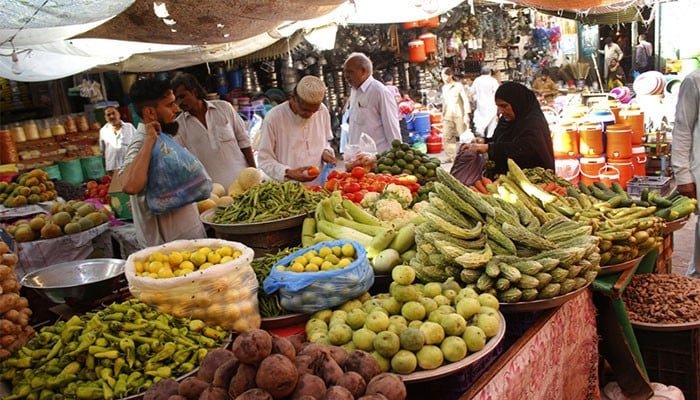
Food provided most of the relief. Food inflation slowed sharply to 8.2 per cent from 13.9 per cent, as price growth cooled for both non-perishable items (7.6 per cent versus 12.3 per cent) and perishable ones (11.8 per cent versus 24.9 per cent).
Energy, however, moved the other way. Transport inflation jumped to 27.4 per cent from 20.2 per cent, while housing and utilities rose to 12.4 per cent from 8.9 per cent. Within September alone, electricity charges surged 15.28 per cent over August and motor fuel climbed 10.76 per cent.
Brokerages had flagged this shift before the release. Topline Securities estimated that higher fuel charges and a positive quarterly tariff adjustment drove electricity costs up sharply, while Ismail Iqbal Securities noted that the burden of inflation was moving from food to energy. Energy-driven inflation worries economists more, because fuel and power costs feed into transport, freight and almost every other price.
The wholesale warning sign
One figure stood out for the wrong reason: wholesale price inflation accelerated to 13.3 per cent in September from 11.8 per cent in August, against just 0.6 per cent a year ago. That suggests producers and businesses face rising input costs, which tend to pass through to consumers with a lag.
Combined with the 1.3 per cent month-on-month rise in consumer prices, the wholesale spike means the State Bank’s next policy decision is unlikely to be straightforward. Price pressures remain elevated across the economy even as the headline number improves.
FAQ
What is Pakistan’s current inflation rate?
Headline consumer inflation stood at 10.3 per cent year on year in September 2026, down from 11.1 per cent in August, according to the Pakistan Bureau of Statistics.
Why did inflation ease in September?
Food inflation slowed sharply to 8.2 per cent from 13.9 per cent, with price growth cooling for both perishable and non-perishable items. The rural reading benefited most, falling from 12.2 per cent to 10.5 per cent.
Is inflation still above the State Bank’s target?
Yes. The State Bank of Pakistan’s medium-term target is 5 to 7 per cent. Inflation has now stayed above 10 per cent in five of the last six months.
What rose the most in September?
Electricity charges jumped 15.28 per cent in a single month and motor fuel rose 10.76 per cent. Transport inflation hit 27.4 per cent year on year, up from 20.2 per cent in August.