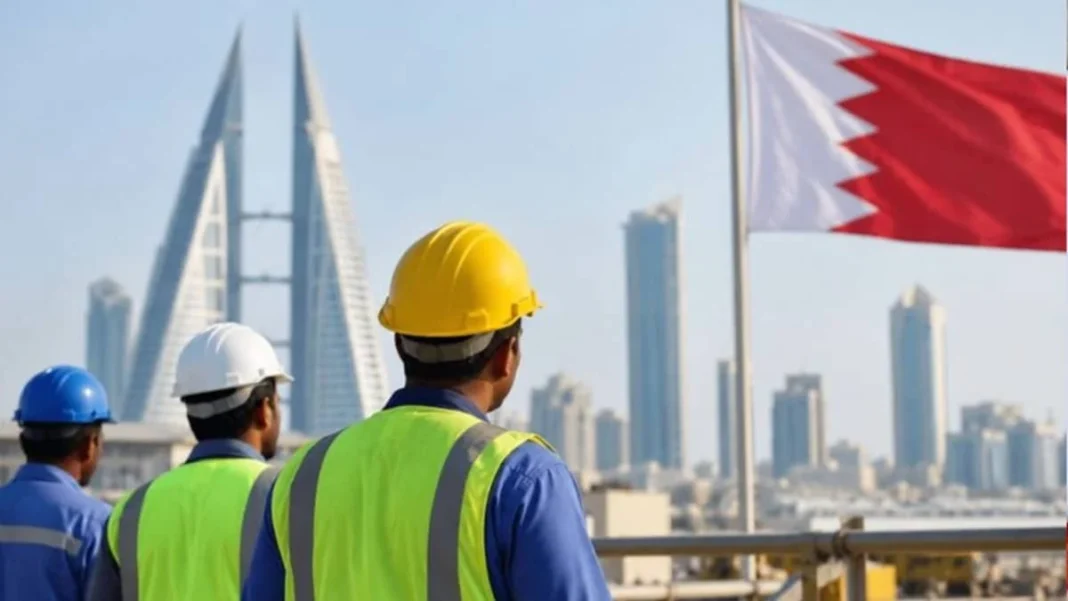
Bahrain has introduced new employment rules that allow foreign workers to temporarily work for employers other than their sponsors for up to 90 days, giving expatriates new flexibility to take short-term assignments.
Until now, foreign workers in Bahrain were not allowed to work for any company except the employer that sponsored their work permit. Under the new rules, they can take work with another employer as long as they hold a valid work permit throughout the temporary employment period.
What the new Bahrain work rules mean for foreign workers
The temporary employment must be submitted and managed through the Labour Market Regulatory Authority’s Expat Management System. Employers pay an administrative fee of BHD 5 when filing an application.
There is a catch for companies with low local hiring. If the new employer’s Bahrainization rate, the share of Bahraini nationals on its payroll, is lower than that of the worker’s current employer, the new employer must pay an additional fee. The fee is set by comparing the Bahrainization rates of the two companies rather than the type of work being performed.
Bahraini authorities say the aim is to make the labour market more flexible, letting companies hire foreign workers for short-term assignments without becoming their original sponsors.
Why it matters for Pakistani workers
Thousands of Pakistanis work in Bahrain, and remittances from the Gulf remain one of Pakistan’s most important sources of foreign exchange. Rules that let expatriates pick up extra short-term work can raise household incomes back home, and Pakistan’s ties with Bahrain have been warming: Bahrain’s foreign minister visited Islamabad for a two-day trip earlier this month for joint commission talks.
The State Bank has been courting overseas Pakistanis with rewards for sending money home through official channels, and rules that raise expatriate incomes support that effort. The Bahrain move is part of a wider Gulf pattern. Just tonight, Kuwait introduced a centralised wage-payment system for all private-sector employers, tightening salary tracking through local banks. Gulf states are rewriting expatriate labour rules in parallel, and Pakistani workers are among the largest groups affected.
A more flexible Gulf labour market
For workers, the 90-day window opens options that did not exist before: project-based roles, seasonal work, and cover for staff shortages, all without changing sponsors. For employers, it means access to labour for short assignments without the cost and paperwork of fresh sponsorship.
The labour move follows Bahrain’s pledge to fast-track the Pak-GCC free trade pact after this month’s Islamabad visit. Whether the extra fees blunt that flexibility will depend on how the Bahrainization-rate comparison works in practice. The LMRA’s Expat Management System will be the single channel for applications, so compliance will be visible to the regulator from day one.
Frequently asked questions
What are Bahrain’s new work rules for foreign workers?
Foreign workers can now temporarily work for employers other than their sponsors for up to 90 days, provided they hold a valid work permit throughout.
How do workers apply for temporary employment?
All arrangements must be submitted and managed through the LMRA’s Expat Management System, with an administrative fee of BHD 5 per application.
Is there an extra fee for the new employer?
Yes, if the new employer’s Bahrainization rate is lower than the worker’s current employer’s rate, it must pay an additional fee set by comparing the two rates.
Could workers previously work for other employers in Bahrain?
No. Foreign workers were not allowed to work for companies other than their sponsoring employers before these rules.