Pakistan Condemns Houthi Attacks on Saudi Arabia at UN Security Council
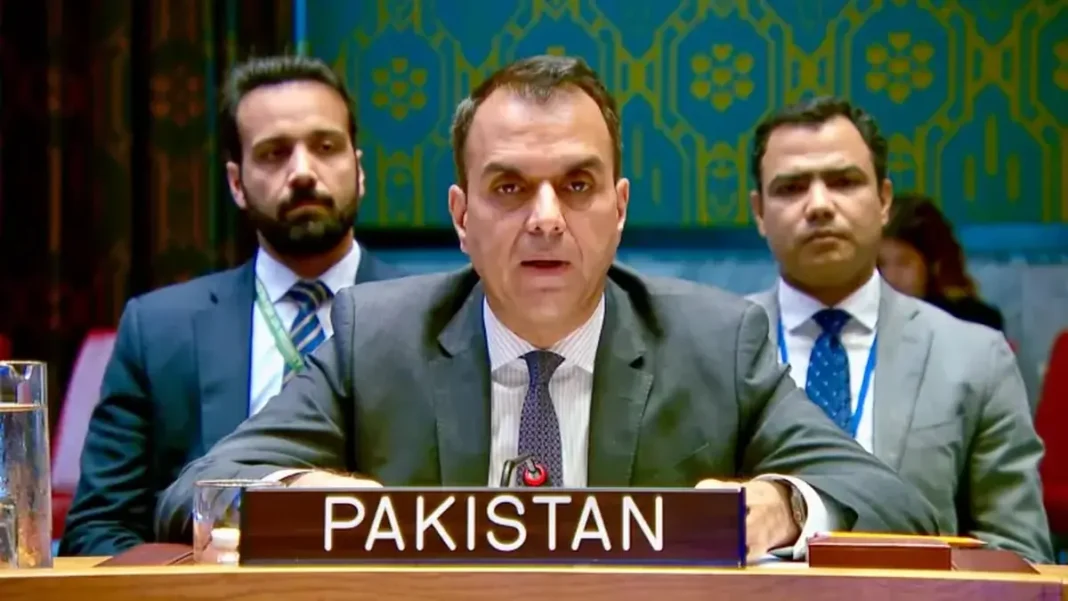
Pakistan condemns Houthi attacks on Saudi Arabia in the strongest terms. That was Islamabad’s message at the United Nations Security Council on Thursday, as its acting permanent representative told a debate on the Middle East that strikes on the kingdom’s civilian and economic infrastructure “must cease immediately”.
Ambassador Usman Jadoon reaffirmed Islamabad’s support for Saudi Arabia’s security and its right to self-defence, amid sustained attacks in recent days including a strike on Riyadh’s international airport described as the deadliest in years.
What Pakistan Told the Security Council
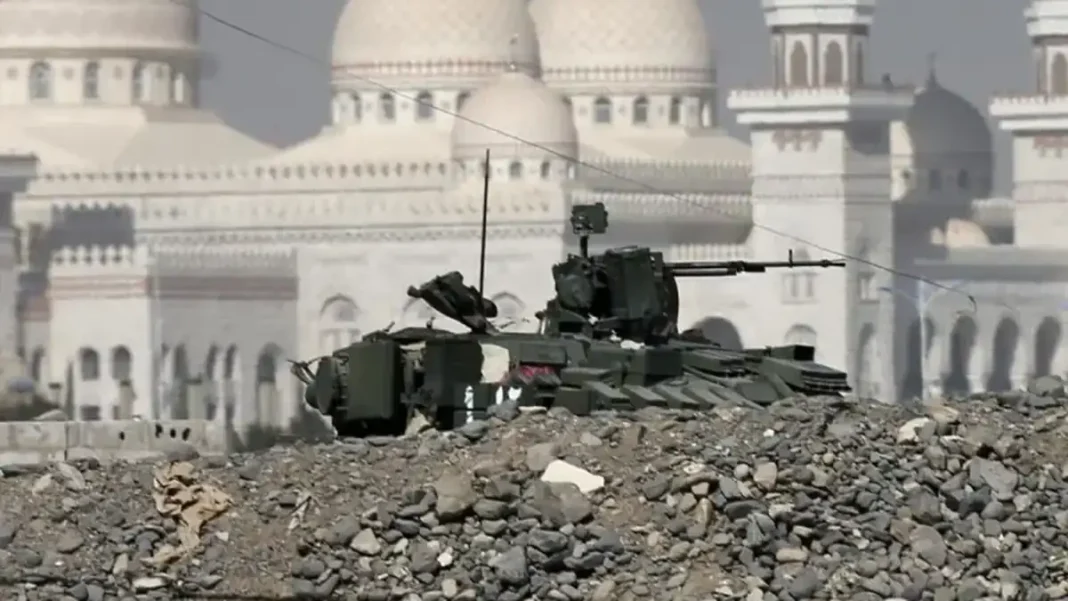
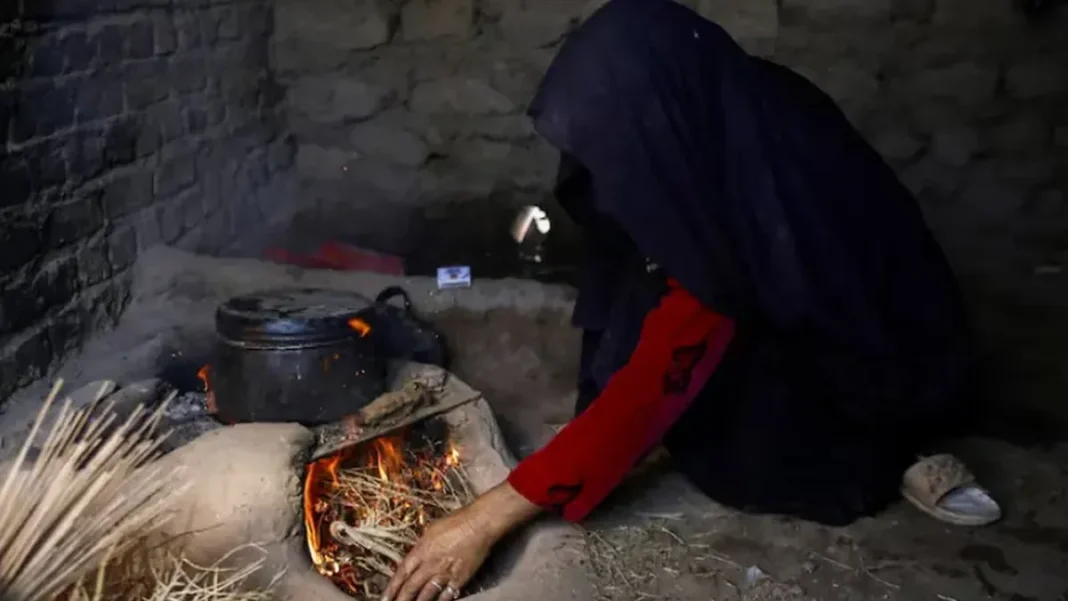
Jadoon used the council debate to back the UN special envoy’s efforts to restart dialogue aimed at a comprehensive and lasting peace in Yemen. Yemen’s civil war reignited in July after a UN-brokered truce collapsed, ending a ceasefire that had held since 2022. The Saudi-led coalition has fought the Houthis since 2015, when the group seized Sanaa. The UN calls the result one of the world’s worst humanitarian crises.
Why Pakistan Condemns Houthi Attacks Now
This was not Pakistan’s first word on the escalation. Islamabad had already taken the same message to the Security Council earlier this month, after Houthi strikes on Riyadh’s airport. Thursday’s statement hardens that position and ties it to a broader regional stance.
The timing is significant. Saudi Arabia has accused Iran of arming and training the Houthis, and a Saudi coalition missile interception over the Madina region showed how close the attacks have come to Islam’s holiest sites. Houthi missile fire has also struck Yemen’s own presidential palace in Aden.
For Pakistan, the stakes are direct: Riyadh is a strategic partner. Pakistan’s foreign office has already clarified that alliance forces under the Makkah pact will act defensively and will not cross into Yemen. Kuwait has likewise condemned Houthi attacks on Makkah and Madina.
Gaza and the West Bank Dominate the Debate
Pakistan used the same council session to press its case on Palestine. Jadoon joined the call to halt settler violence in the West Bank and to abandon attempts to annex occupied Palestinian territory.
He warned that settlement expansion, particularly the E1 project approved last year, threatens to sever Palestinian territorial contiguity. “All settlement activities must cease; settler violence must be halted; and accountability ensured,” he said. Jadoon also condemned Israeli incursions into Al-Aqsa Mosque and demanded respect for the historical and legal status quo of the holy sites.
On Gaza, Pakistan voiced concern over ceasefire violations, Palestinian deaths and aid restrictions, warning that winter would worsen the suffering of families without adequate shelter. He called for the ceasefire to be fully upheld and for aid to flow unhindered and at scale.
Pakistan also backed the UN Relief and Works Agency, demanded the release of withheld Palestinian revenues, and rejected forced displacement and any fragmentation of Gaza and the West Bank. Jadoon called for a “credible, time-bound and irreversible” political process toward a Palestinian state on pre-1967 borders, with Al-Quds Al-Sharif as its capital.
Resolution 2803 and the Two-State Framework
Pakistan tied its position to Resolution 2803, the Comprehensive Plan to End the Gaza Conflict, and the New York Declaration — mutually reinforcing frameworks it supports in full and good faith, Jadoon said.
“The two-state solution remains the internationally agreed framework and the indispensable foundation for just and lasting peace,” he told the council.
France and Britain echoed the call: Paris warned that the E1 project, settler violence and financial pressure on the Palestinian Authority were fuelling instability, while London demanded an immediate halt to E1 and to settlement expansion. The United States defended President Donald Trump’s Gaza peace plan, endorsed by Resolution 2803 in 2025, saying its success depended on Hamas disarming. The UN’s acting special coordinator, Ramiz Alakbarov, warned the ceasefire remained extremely fragile, citing about 1,500 Palestinian fatalities since it took hold, including more than 320 children.
Frequently Asked Questions
What did Pakistan say about the Houthi attacks at the UNSC?
Ambassador Usman Jadoon strongly condemned Houthi attacks on Saudi Arabia’s civilian and economic infrastructure, saying they “must cease immediately”, and reaffirmed Pakistan’s support for the kingdom’s security and right to self-defence.
What is Resolution 2803?
Adopted by the UN Security Council in 2025, Resolution 2803 endorsed a comprehensive plan to end the Gaza conflict. Pakistan called it part of mutually reinforcing frameworks for a two-state solution.
What is the E1 project?
The E1 project is an Israeli settlement plan, approved last year, that would expand construction between East Jerusalem and the West Bank. Pakistan, France and Britain all warned at the council that it threatens Palestinian territorial contiguity.