Afghanistan Hunger Hits Record High as 15.9 Million Face Food Crisis
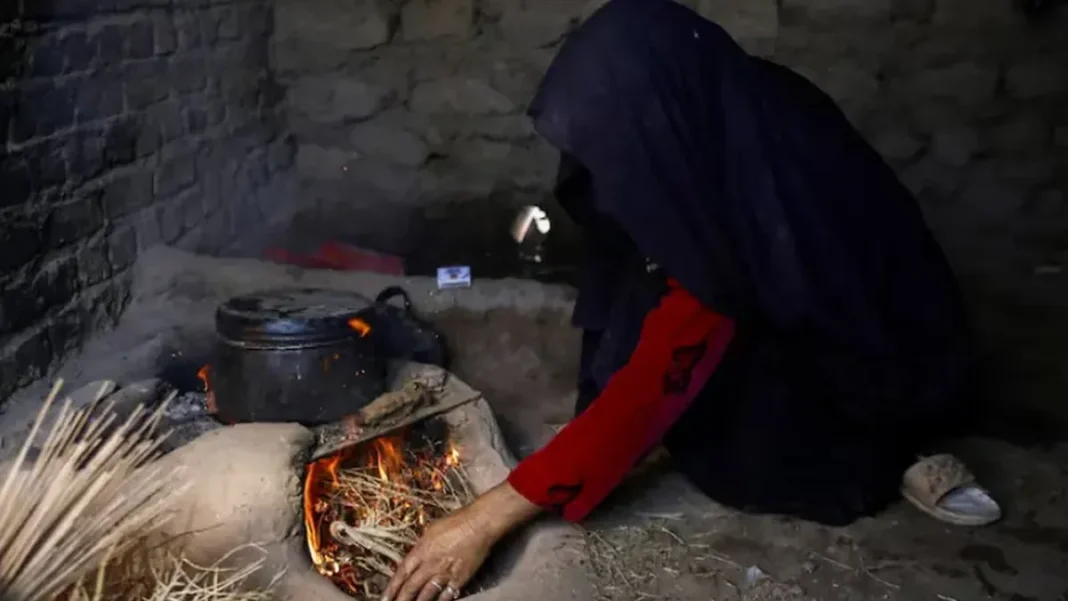
Afghanistan acute hunger has reached the highest level ever recorded. A global hunger monitor reported on Thursday that 15.9 million Afghans now face acute food insecurity, and conditions are expected to worsen in the coming months as winter sets in.
The Integrated Food Security Phase Classification (IPC) found record acute malnutrition for August to October. Economic pressure is straining households nationwide: more than 32 per cent of the population now sits at crisis level, phase three or above, including 3.4 million in emergency conditions at phase four.
Afghanistan Acute Hunger: The Numbers Behind the Record
The report warns the worst is still ahead. During the winter lean season from November to April, nearly 19.2 million people are projected to face phase three or worse. Five million of them are expected to fall into emergency food insecurity.
Children face the sharpest danger. About 4.04 million children under the age of five are projected to need treatment for acute malnutrition between January and December 2027.
Disease outbreaks and poor water, sanitation and hygiene conditions are driving the deterioration. Access to nutrition services has fallen sharply, the report found. Better rainfall and improved farm output have helped food availability, but shrinking humanitarian assistance is eroding households’ ability to cope.
The World Food Programme and the Food and Agriculture Organisation issued a joint appeal on Thursday. Both agencies called for urgent funding to scale up food assistance, emergency farm support, and malnutrition prevention and treatment.
“We still have a window to act, but it is closing fast,” said John Aylieff, the WFP’s country director. He said families could get through the winter with dignity if help arrived in time, but without it many would face choices no parent should have to make.
FAO representative Richard Trenchard said families needed chances to earn a dependable living that could withstand the next shock, along with direct support to survive the winter.
What the Crisis Means for Pakistan
For Pakistan, a deepening crisis across the western border carries familiar risks. Pakistan hosts one of the world’s largest Afghan refugee populations, and past deteriorations in Afghanistan have pushed displaced families toward the frontier, straining border districts in Khyber Pakhtunkhwa and Balochistan.
The comparison hits close to home in another way. Pakistan itself ranked 106th on the 2026 Global Hunger Index, the worst in South Asia after Afghanistan. Two neighbours now sit at the bottom of the region’s food-security table, and both face a winter that will test already thin coping mechanisms.
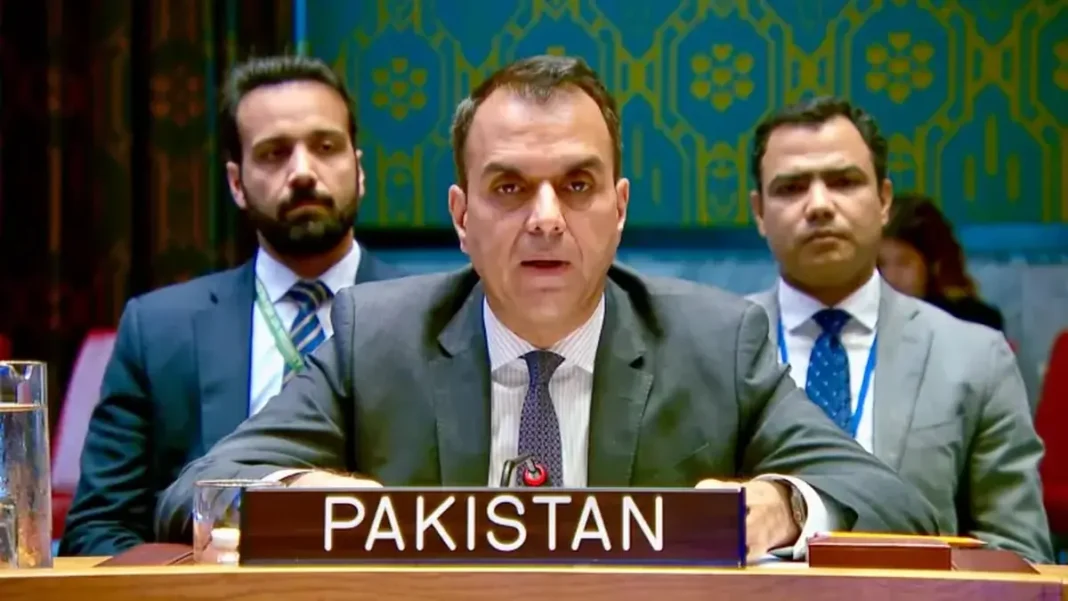
Islamabad has kept a close watch on Kabul. The Moscow Format consultations on Afghanistan ended without a joint statement, Pakistan told that forum terrorism remains at the core of Afghanistan’s problems, and Pakistan has confirmed calibrated airstrikes inside Afghanistan this year — even as humanitarian needs grow.
UNAMA Reports Eroding Rights
A separate United Nations report released on Thursday documented the continued erosion of basic human rights in Afghanistan between July and September. The UN Assistance Mission in Afghanistan (UNAMA) found women and girls bearing the brunt of Taliban restrictions.
Girls remain barred from formal education beyond grade six. Asked about the ban, a Taliban spokesperson said problems and considerations had to be weighed from the perspective of Sharia law.
UNAMA documented more than 50 cases linked to hijab enforcement, mostly in Herat and Kabul. In one case, a 13-year-old girl was held overnight. Women were blocked from entering health clinics and markets without a mehram, a male guardian.
The mission recorded at least 443 cases and 97 incidents of ill-treatment by virtue and vice inspectors. The offences included hijab violations, trimmed beards, skipped prayers and listening to music.
The report also documented public lashings of 22 men and six women, the arrest of 14 former security force members, and media outlets suspended without clear reasons or appeal procedures. A journalist arrested in July 2025 remains in custody without conviction, and a new police law published in August bans all demonstrations.
Frequently Asked Questions
What is the IPC?
The Integrated Food Security Phase Classification grades food insecurity in five phases, from minimal to famine, pooling data from UN agencies, governments and NGOs to guide aid.
How many Afghans face acute hunger?
The latest IPC analysis puts the figure at 15.9 million people facing acute food insecurity, the highest ever recorded. That is expected to rise to 19.2 million during the November-to-April winter lean season.
What are phases three and four?
Phase three is “crisis”, where households face food gaps and rising malnutrition. Phase four is “emergency”, where households face large food gaps, very high malnutrition and excess deaths. Phase five is famine.