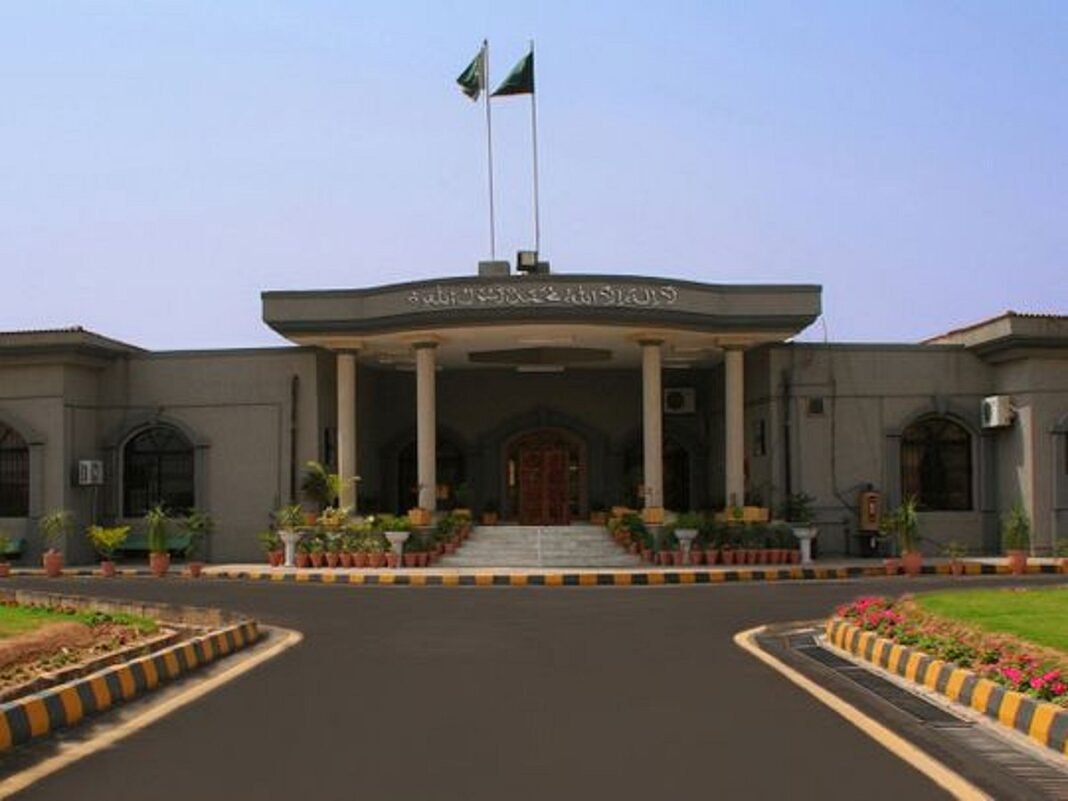
IHC Questions Whether Security Reports Can Be Used to Deny Overseas Postings
The debate over IHC security reports overseas postings returned to the courtroom on Friday as the Islamabad High Court sought further arguments on the legal status of intelligence documents used against civil servants. The court is examining whether such security reports can be relied on to deny officials overseas postings, a question that goes to the heart of how far unseen agency material can decide the careers of public servants.
What the Court Is Deciding in the IHC Security Reports Overseas Postings Case
The bench wants fuller arguments on what legal weight intelligence documents carry when they are used against government officers. At issue is whether a security report, prepared by an intelligence agency and kept from the officer concerned, can form a lawful basis for withholding an overseas posting. The court has not yet ruled, and both sides will now present their arguments on the point before a decision follows.
Background: The Trade Officers Case
The question is not new to the court. Earlier this year, the Islamabad High Court set aside a government decision barring ten Trade and Investment Officers from overseas postings on the basis of an intelligence agency report. Twenty-eight officers had been appointed to the trade posts after examinations, interviews and training, but the Ministry of Commerce withheld the appointments of ten of them after an intelligence agency advised they were not suitable.
In a detailed 26-page judgment, Justice Inam Amin Minhas allowed the officers’ petitions and declared the decision illegal. The court found that the intelligence report had never been placed on record before the bench and had not been shared with the officers even after repeated requests, leaving them unable to answer any allegation against them. Ministry officials admitted they had not read the complete report and had simply acted on its “Not Suitable” recommendation. The court also noted that no notification or order was produced to show the report was classified. It directed the Ministry of Commerce to issue appointment letters to the officers and complete all formalities within 30 days.
Why It Matters
The case touches a familiar tension. Courts are reluctant to interfere in policy and security matters, yet they must guard the constitutional and legal rights of citizens and public servants. The trade officers’ judgment held that a merit list approved by the prime minister and the selection board could not be set aside without lawful reason, and that administrative decisions taken without any tangible material were arbitrary. If the court now settles the wider legal status of intelligence documents in service matters, the ruling could set the precedent for every future case in which a security report is used to block an officer’s career.
What Happens Next
The court will resume the matter after hearing further arguments from the parties. Lawyers for the affected officers are expected to press the point that adverse material must be disclosed and answered before it can be acted on, while the state will likely argue for the protection of sensitive intelligence. Whatever the outcome, it will shape how ministries handle security clearances for foreign assignments in the years ahead.
Frequently Asked Questions
Can a security report block an overseas posting?
That is what the Islamabad High Court is now deciding. It has sought further arguments on whether intelligence-based security reports can lawfully be relied on to deny civil servants overseas postings.
What did the court say in the trade officers case?
The court set aside the bar on ten Trade and Investment Officers, ruling that the intelligence report was never placed on record or shared with them, and that officials had acted on an unread “Not Suitable” recommendation.
What happens next in the case?
The court will hear further arguments from both sides on the legal status of intelligence documents before giving its decision.