Government, Multinationals Deadlocked Over Islamabad PET Bottle Ban
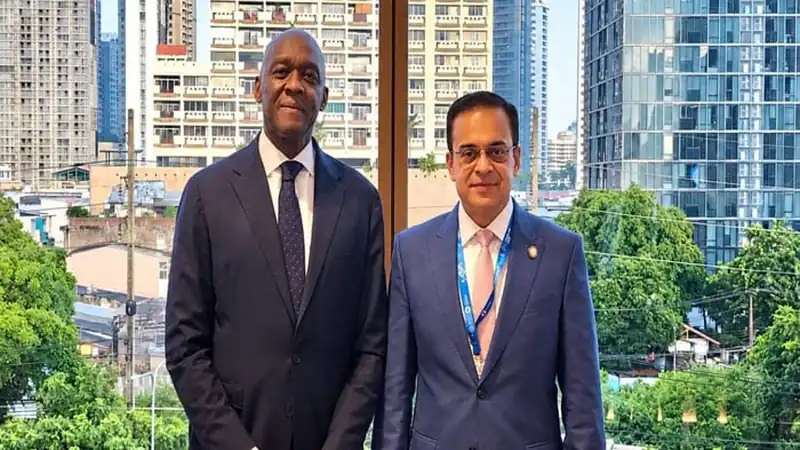
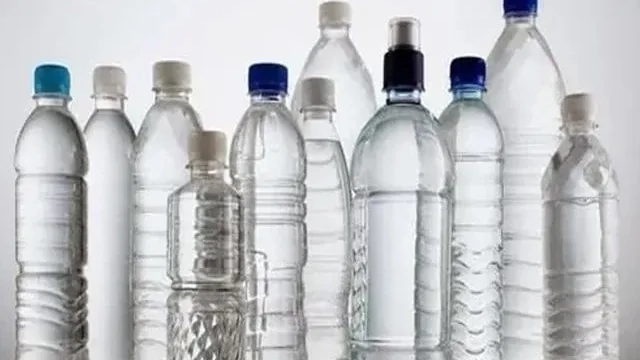
The PET bottle ban Islamabad authorities want to impose remains deadlocked after a meeting between the government and multinational beverage companies ended without agreement. The talks brought together Minister of State for Interior Talal Chaudhry and representatives of Nestlé, Coca-Cola, PepsiCo and Metro, but the two sides could not break the gridlock.
The dispute centres on a sudden move against recyclable PET bottles. The authorities want Islamabad presented as a plastic-free city at the SCO summit Pakistan is preparing to host. Industry says no legal ban exists on recyclable plastic, a position backed by the Pakistan Environmental Protection Agency.
PET bottle ban Islamabad: why industry says no law exists
The companies told the minister that existing regulations do not ban PET (polyethylene terephthalate) bottles. Pak-EPA’s director has publicly stated the same. Dr Zaigham Abbas, an official of the federal agency, reportedly said there was no legal basis for removing PET bottles from sale, and the clarification has been conveyed to the Islamabad Capital Territory administration.
Despite these explanations, the government kept pressing for alternative packaging, particularly glass bottles, according to industry representatives. The companies said no commercially viable substitute is available at the required scale.
Industry warned a sudden ban would dent federal tax revenues by at least Rs10 billion and send negative signals to international investors, since the government would be acting beyond environmental regulations. For a government courting export-led growth, that signal matters.
SCO summit deadline drives the push
The government told industry it plans to serve food and drinks in plastic-free material at the summit. The minister acknowledged existing law contained relevant provisions but stressed Pakistan wants Islamabad presented as a plastic-free city when it hosts the event.
The cabinet has already approved spending on bulletproof vehicles for the 2027 SCO summit, showing how seriously the government takes the event. Industry said building a glass bottle factory would need major investment and take at least two years.
The American Business Forum, the Overseas Investors Chamber of Commerce and Industry, and the Collect and Recycle Alliance have separately raised the issue with federal authorities. So far there has been no breakthrough.
What the law actually says about plastic
Islamabad does have a plastics law: the Single-Use Plastics (Prohibition) Regulations, 2023, made by Pak-EPA under the Pakistan Environmental Protection Act, 1997.
The regulations name PET in their definition of plastic, then ban six items: polythene bags, straws, plastic crockery, cutlery, food-service ware and stirrers. PET bottles are not on the list. Instead, from July 2028, beverage bottles must contain at least 50 per cent recycled plastic. The choice was deliberate: PET is to be recycled, not banned.
That legal detail is the industry’s strongest card. The ABF has asked the interior minister to withdraw the proposed ban and enforce the 2023 regulations properly. Air quality and waste remain serious concerns in Pakistani cities, but industry argues proper enforcement beats a legally shaky ban.
What happens next
The minister asked companies to return with technical details, evidence and expert input at another meeting next week. There are indications of no retail-level action before that expert meeting.
For consumers, nothing changes for now. Bottled drinks stay on shelves. But the standoff reveals a wider tension: the government wants quick, visible wins on pollution, while industry wants rules grounded in law. How the next meeting goes will decide whether Islamabad’s shelves look different by the time summit guests arrive.
*Source: The Express Tribune.*
Frequently asked questions
Is there a ban on PET bottles in Islamabad?
No formal legal ban exists, according to the beverage industry and Pak-EPA officials. The ICT Single-Use Plastics Regulations, 2023 ban six plastic items but do not include PET bottles.
Why does the government want the ban?
The government wants to present Islamabad as a plastic-free city at the SCO summit Pakistan is preparing to host, and plans to serve food and drinks in plastic-free material at the event.
What do the companies say they will lose?
Industry representatives say a sudden ban would cut federal tax revenues by at least Rs10 billion and send negative signals to international investors.
What happens next in the dispute?
Another meeting is scheduled for next week. The minister asked companies to return with technical evidence and expert input, and there are indications of no retail-level action before then.