Azerbaijan-Turkiye Tensions Deepen Over Headscarves and Israel Ties
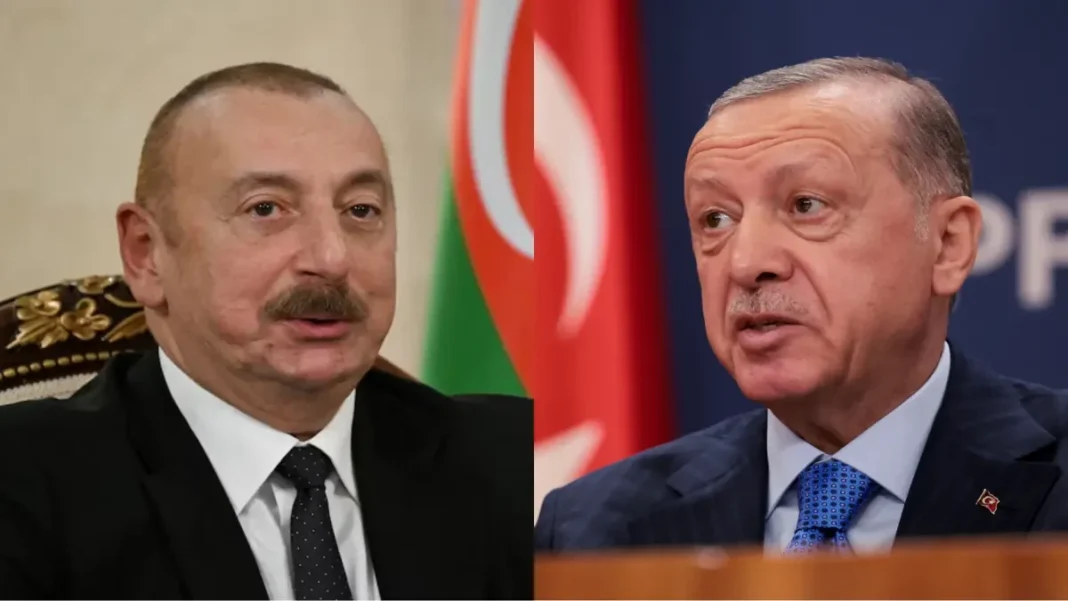
The Azerbaijan-Turkiye tensions that surfaced this week have exposed rare cracks in one of the closest alliances in the Muslim world, as Ankara and Baku traded unusually sharp public criticism over school headscarf rules and Azerbaijan’s warming ties with Israel.
The row began when Oktay Saral, chief adviser to Turkish President Recep Tayyip Erdogan, denounced as “unacceptable” Azerbaijan’s decision to change school uniform regulations, banning anything that conflicts with the normal uniform or the secular principles of education. Azerbaijan’s ruling Yeni Azerbaijan Party (YAP) answered back within a day, denouncing Saral and MPs from Erdogan’s AKP for “populist and irresponsible statements”.
Why Azerbaijan-Turkiye tensions are rising now
At first glance, the dispute is about school uniforms. Azerbaijan, one of the most secular states in the Muslim world, moved to tighten rules on what pupils may wear, a step widely read as targeting headscarves. Saral wrote on X that “the headscarf is not an obstacle; it is a requirement of faith” and urged Baku to reverse “this mistake as soon as possible”.
The YAP replied that a “disinformation campaign targeting Azerbaijan has become increasingly aggressive, systematic, and openly slanderous”. The exchange exposed the gulf between Baku’s secular state model and the leadership in Ankara, where religious identity carries far more political weight.
But the headscarf dispute is only the surface. The deeper friction is over Azerbaijan’s growing rapprochement with Israel since Baku’s 2020 Karabakh war with Armenia, during which Israeli drones and weaponry proved decisive. Turkiye’s ties with Israel, by contrast, have rarely been worse, with Erdogan accusing Israel of genocide in Gaza.
Turkiye’s pro-government media has linked the two issues directly, with the daily Yeni Safak denouncing the headscarf regulations as a gesture towards Israel. Baku’s ruling party rejected that framing, saying it “firmly rejects attempts to deliberately distort Azerbaijani-Israeli relations” and use them for political accusations against Azerbaijan.
Calmer voices try to cool the row
Despite the sharp words from senior officials, the rhetoric at the very top has stayed restrained. Turkish Foreign Minister Hakan Fidan, speaking at a regional summit in Baku on Thursday, praised “the unshakable bond between our leaders” even when tested “in very difficult times”. On Friday, Kursad Zorlu, deputy head of Erdogan’s AKP, said the two countries knew how to settle problems “within the family” — widely read as a call for restraint online.
Analysts say a genuine rupture remains unlikely because both countries have too much to lose. Azerbaijan is a key energy supplier and, for Ankara, an essential gateway to Central Asia. “Baku cannot afford to alienate an otherwise good partner,” said Ivan Klyszcz of the Estonia-based International Centre for Defence and Security, noting that energy cooperation predates the spat and remains vital for both.
Fuad Shahbazov, an independent political analyst, said the shifting geopolitical order had let Azerbaijan pursue a more pragmatic foreign policy in which it “categorically resists the attempts of external actors, even its ally Turkiye”.
Arrest warrant adds fresh friction
On Friday, Baku said it had issued an “international arrest warrant” for a Turkish journalist working for the Sanliurfa Olay daily, whom prosecutors accused of calling for a coup in Azerbaijan and promoting religious extremism. The warrant shows how quickly the dispute has moved beyond school uniforms into questions of internal security — and how sensitive Baku remains to criticism framed in religious terms.
What it means for Pakistan
Pakistan watches this dispute from a position of friendship with both countries. Islamabad has cultivated close ties with Baku, and the two sides reaffirmed their strategic partnership earlier this month, while Turkiye remains one of Pakistan’s closest partners in the Muslim world. Any lasting strain between Ankara and Baku would put Pakistan’s diplomats in an awkward spot.
FAQ
What caused the Azerbaijan-Turkiye tensions?
The trigger was Azerbaijan’s new school uniform rules banning items that conflict with secular education principles, which Ankara read as targeting headscarves. Underneath lies friction over Baku’s deepening ties with Israel versus Ankara’s hostile stance toward Israel over Gaza.
What did Erdogan’s adviser say about the headscarf rules?
Oktay Saral called the regulations “unacceptable” on X, saying the headscarf is a requirement of faith, and urged Azerbaijan to reverse “this mistake as soon as possible”.
How did Azerbaijan respond?
The ruling Yeni Azerbaijan Party denounced Saral and AKP MPs for “populist and irresponsible statements” and accused them of running a disinformation campaign against Azerbaijan.
Is the Azerbaijan-Turkiye alliance breaking down?
Analysts say no. Both sides moved quickly to de-escalate, and shared energy interests plus strategic dependence make a real rupture unlikely.