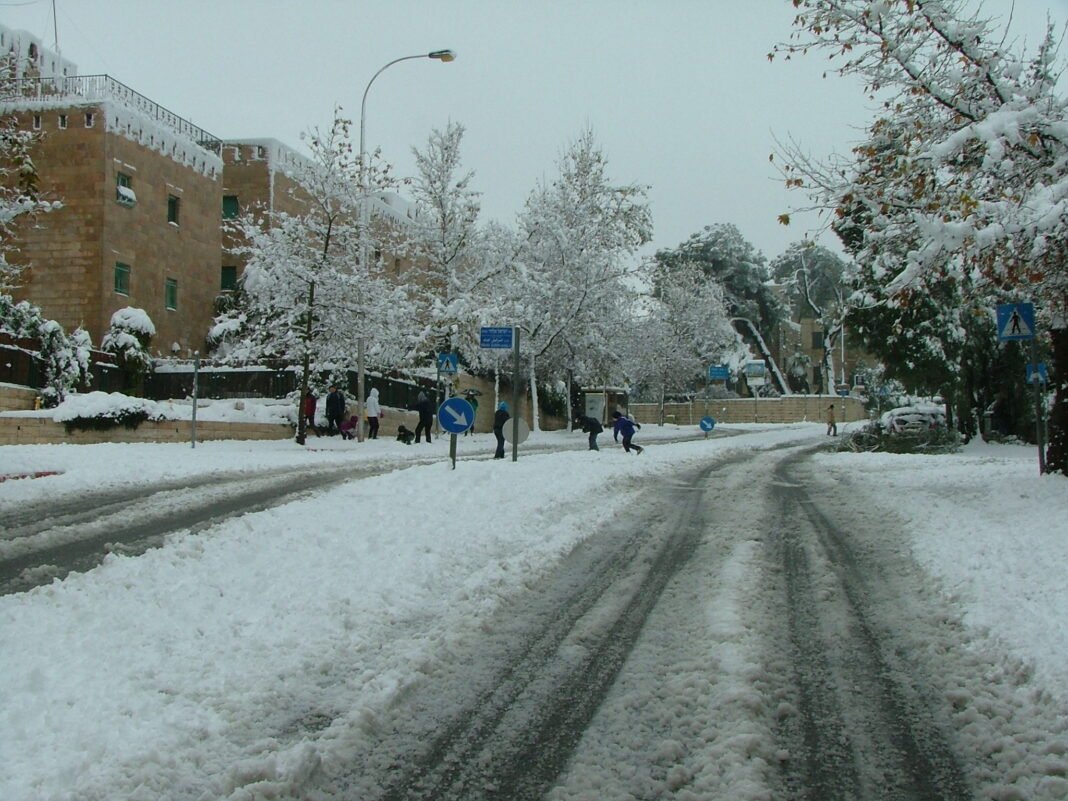
Learning how to manage diabetes in winter helps you stay healthy through the cold season. Cold weather, shorter days, and comfort foods can make blood sugar harder to control. However, a few practical habits can keep your glucose steady all winter.
Talk to your doctor before changing anything in your routine. The tips below give general information, not medical advice. For example, your care team can set winter-specific targets for you.

How to Manage Diabetes in Winter Through Food
Winter often brings heavy meals and sweet treats. Comfort food can raise blood sugar fast. Choose warming, high-fiber options instead. For example, soups with beans, lentils, or mixed vegetables fill you up without sharp spikes.
Moreover, keep your meals at regular times each day. Skipping meals can cause unexpected lows later. In addition, hot drinks like cinnamon tea beat cravings without added sugar. However, check cocoa mix labels, since many hide lots of sugar.
Plan snacks with the same care. For example, pair an apple with a handful of nuts. This slows sugar absorption. However, avoid fruit juices, which spike glucose fast.
Stay Active Indoors
Cold days can end your outdoor walks. Less movement makes insulin work less efficiently. Try simple indoor routines instead. For example, do body-weight exercises, climb stairs, or follow a short workout video.
Moreover, aim for at least 30 minutes of movement most days. Split it into three 10-minute sessions if needed. In addition, light activity after meals lowers post-meal spikes. As a result, your body uses glucose more effectively.
Monitor Glucose and Protect Your Feet
Cold weather can affect glucose meters and test strips. Keep your testing supplies at room temperature. Check your blood sugar more often when routines change. Meanwhile, track readings in a notebook or app to spot patterns.
Stress hormones from winter illnesses can also raise glucose. Consequently, feeling unwell may change your usual numbers. If readings run high for two days, contact your care team. However, never change insulin doses without medical advice.
Cold, dry air can crack the skin on your feet. Small cracks can turn into sores for people with diabetes. Moisturize your feet daily, but skip between the toes. Moreover, wear warm socks and dry boots outdoors.
Check your feet each evening for blisters or red spots. Never walk barefoot on cold floors. In addition, trim nails carefully and treat any cut fast. As a result, small issues stay small instead of becoming infections.
Household chores also keep you moving. Moreover, cleaning, cooking, and tidying burn calories steadily. In addition, put on music and dance for fun cardio. As a result, you stay warm and active without leaving home.
Winter travel can disrupt testing routines too. Pack extra strips and a backup meter in your bag. Moreover, keep a small snack nearby in case of lows. This simple kit prevents stressful surprises.
How to Manage Diabetes in Winter: Flu Shots and Sick-Day Plans
The CDC recommends a yearly flu shot for people with type 1 or type 2 diabetes. Getting the flu can make blood sugar swing sharply. The vaccine lowers your risk of severe illness. For example, it also cuts the chance of flu-related hospital visits.
That is why a flu shot is part of how to manage diabetes in winter wisely. Diabetes UK advises keeping a sick-day plan ready. Keep taking your medication even when you feel unwell. Check glucose more often during any illness, as Diabetes UK’s sick-day rules advise.
Finally, knowing how to manage diabetes in winter comes down to steady routines. Eat regular balanced meals, move daily, and monitor closely. To learn why blood sugar runs high in winter, read our companion guide. These simple steps protect your health until spring arrives.