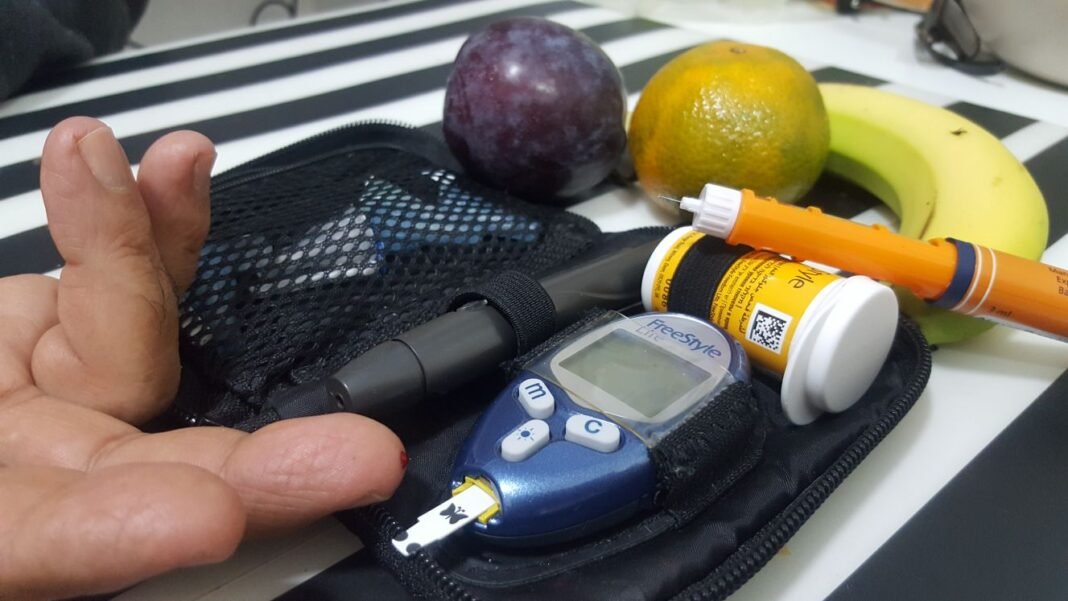
Parents can protect children from diabetes with simple daily steps. Healthy food, active play, good sleep, and regular checkups form a strong shield. In fact, type 2 diabetes is largely preventable, and the habits that prevent it also build happier, more energetic kids. This guide shows exactly what to do.
The need is urgent. According to the International Diabetes Federation’s 2025 Diabetes Atlas, about 1.85 million young people under 20 live with type 1 diabetes worldwide. Type 2 diabetes, once rare in children, is now rising about 5% per year in young people, based on SEARCH study data from 2002 to 2018. Above all, every parent can help protect children from diabetes starting today, and prevention works best when it starts early. The CDC diabetes resource center offers official guidance for families.
Build a Plate That Helps Protect Children from Diabetes
Food is the most powerful tool parents have. Fill half of every plate with vegetables and fruit. In addition, add a quarter of whole grains like brown rice, oats, or whole wheat bread. The last quarter can be protein such as lentils, beans, eggs, fish, or lean meat. As a result, this simple pattern keeps blood sugar steady.
Water should be the family drink. Sugary sodas, juice boxes, and energy drinks are the fastest route to excess weight and insulin resistance. For example, replacing one daily soda with water can cut thousands of sugar calories every month. Indeed, milk and fresh fruit offer sweetness in a natural package.
Cook at home as often as possible. Home meals let parents control oil, salt, and sugar. Moreover, children who help cook learn to love real food. In addition, keep three regular meals and avoid heavy late-night snacking. Consequently, regular timing trains the body’s insulin response.
Daily Movement Helps Protect Children from Diabetes
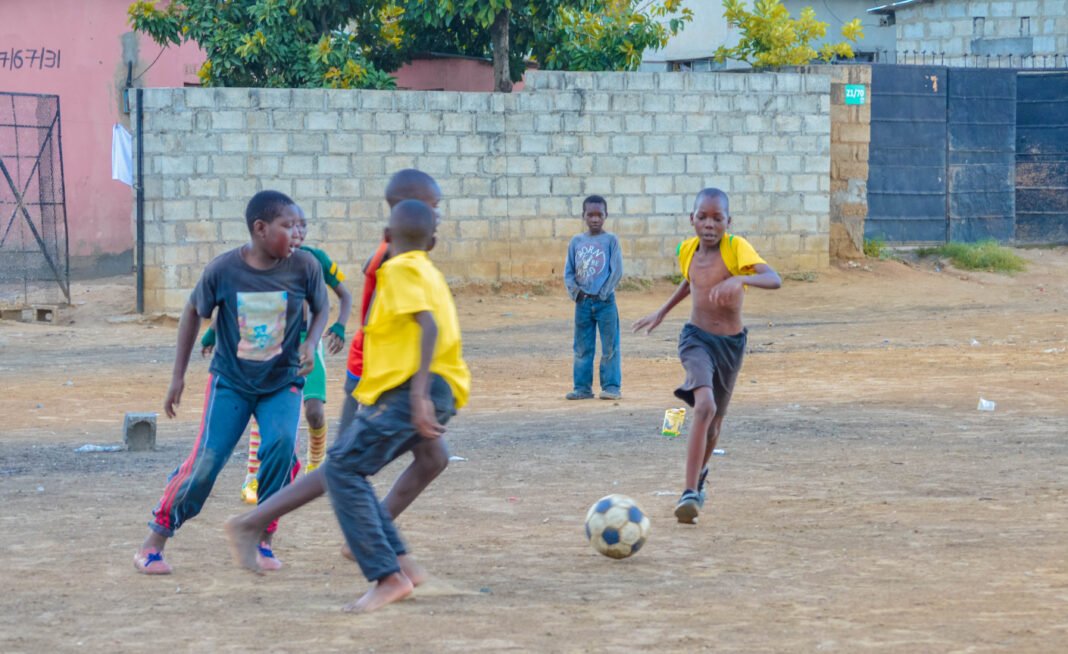
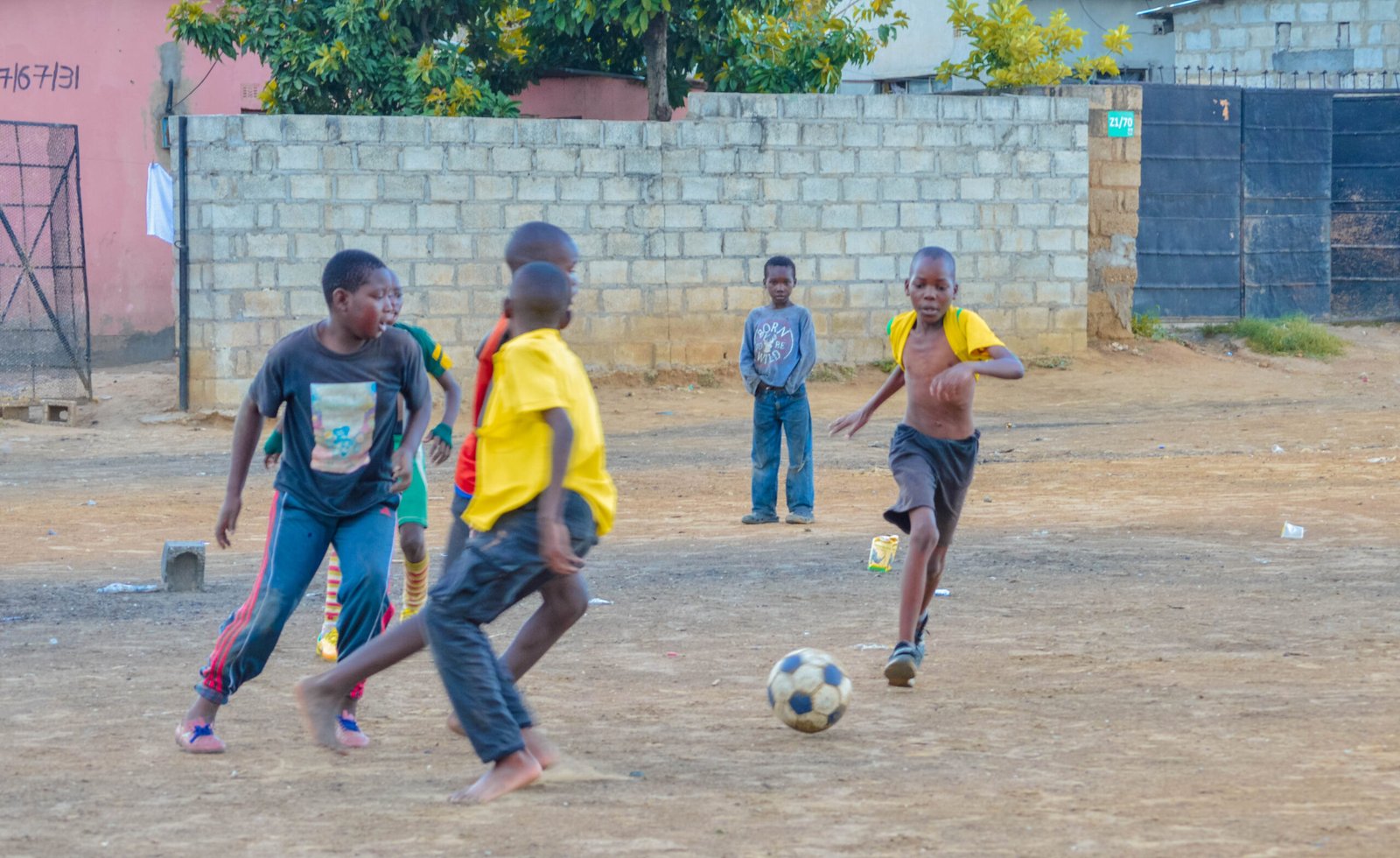
To protect children from diabetes, aim for at least 60 minutes of active play every single day. In fact, football, cycling, swimming, dancing, and playground games all count. Indeed, active muscles soak up blood sugar and keep insulin working well.
Limit recreational screen time to keep kids moving. One hour on school days is a reasonable ceiling for many families. Meanwhile, replace extra screen hours with outdoor play, a sport, or a family walk. Above all, children follow the example they see, so parents should move too.
Start small if the family is currently inactive. A 15-minute evening walk is a fine beginning. Gradually add weekend bike rides or ball games. As a result, movement becomes a pleasure instead of a chore. In addition, consistency matters more than intensity.
Guard Sleep and Daily Routine
Good sleep helps protect children from diabetes in a hidden way. Tired children crave sugary foods and their bodies resist insulin more. In fact, school-age kids need 9 to 12 hours of sleep nightly, while teenagers need 8 to 10 hours. Indeed, short sleep is one of the most overlooked risk factors.
Set a fixed bedtime and keep it even on weekends. Remove screens from the bedroom at least one hour before sleep. For instance, charge all phones in the living room overnight. As a result, a calm, dark, cool bedroom helps children fall asleep fast.
A steady daily routine supports everything else. Regular wake times, meal times, and bedtimes keep hormones balanced. In addition, predictable routines reduce stress for both parents and children. Above all, rested kids make healthier food choices without being told.
Know the Warning Signs
Prevention also means catching diabetes early if it appears. Doctors teach four classic warning signs. Children may go to the toilet very often and feel extremely thirsty. In addition, they may get tired all the time and lose weight without trying. Indeed, bedwetting in a previously dry child is another red flag.
Act fast when these signs appear. A simple blood sugar test at any clinic gives an answer in minutes. Early diagnosis prevents dangerous emergencies like diabetic ketoacidosis. In fact, about 17% of premature type 1 diabetes deaths in 2025 were linked to non-diagnosis soon after onset, based on IDF estimates. Above all, never ignore these symptoms. Our daily care guide for type 1 diabetes in children explains what comes next after a diagnosis.
Children with a diabetic parent or sibling need earlier screening. Ask the pediatrician about blood sugar checks during regular visits. For example, an annual fasting glucose test is simple and cheap. As a result, early action turns a scary diagnosis into a manageable condition.
Keep Weight in the Healthy Range
Healthy weight is the strongest protection against type 2 diabetes. The goal is steady, gradual growth — not crash dieting. In fact, never put a child on a strict diet without a doctor’s guidance. Instead, reshape the whole family’s eating and activity patterns.
Track growth at regular pediatric visits. Doctors use growth charts to spot unhealthy weight gain early. Meanwhile, focus on habits rather than the scale at home. In addition, praise active play and healthy choices, not body shape. Above all, keep the home a shame-free zone around food and weight.
Remember that type 1 diabetes cannot be prevented. It is an autoimmune condition, not a lifestyle failure. Indeed, parents of children with type 1 should feel no guilt. These prevention steps target type 2 diabetes, the form that is truly rising among children.
A Simple Weekly Checklist for Parents
- Serve water as the main drink and keep sugary drinks out of the house.
- Cook most meals at home with vegetables on half the plate.
- Give every child 60 minutes of active play each day.
- Enforce a fixed bedtime with no screens in the bedroom.
- Watch for the warning signs: thirst, frequent urination, tiredness, weight loss.
- Take children for regular pediatric checkups and growth tracking.
Finally, small steps to protect children from diabetes take weeks to settle and months to show results. Habits compound into lifelong protection. Your children may not thank you today, but their future healthy selves will.