A diagnosis of type 1 diabetes in children feels overwhelming at first. Parents often ask the same question: can my child live a healthy life? The answer is yes. In fact, with daily insulin, blood-sugar checks, and carb counting, children go to school, play sports, and chase every dream. This guide walks parents through daily care, step by step.
Type 1 diabetes in children is an autoimmune condition, not anyone’s fault. The child’s immune system destroys the insulin-making cells in the pancreas. As a result, the body needs insulin from outside, every day, for life. According to the International Diabetes Federation’s 2025 Diabetes Atlas, about 1.85 million young people under 20 live with type 1 diabetes worldwide. Indeed, your family is not alone, and the tools for good care have never been better. For trusted family resources, visit JDRF, the leading type 1 diabetes research organization.
The Daily Routine for Type 1 Diabetes in Children
Daily care for type 1 diabetes in children rests on three pillars: insulin, monitoring, and food. Children take insulin through injections or a small pump worn on the body. In addition, the dose matches meals, activity, and blood-sugar readings. At first this feels like a full-time job. Within weeks, however, most families find a steady rhythm.
There are two main types of insulin in daily use. Long-acting insulin works in the background all day and night. Meanwhile, rapid-acting insulin covers meals and corrects high readings. The doctor sets the starting doses and adjusts them over time. Above all, never change doses without medical guidance, especially in the early months.
Keep a simple logbook of readings, doses, meals, and activity. Patterns emerge quickly from good records. For example, parents often spot that sports practice always lowers evening sugar. In addition, the logbook helps the doctor fine-tune treatment at every visit.
Check Blood Sugar the Smart Way
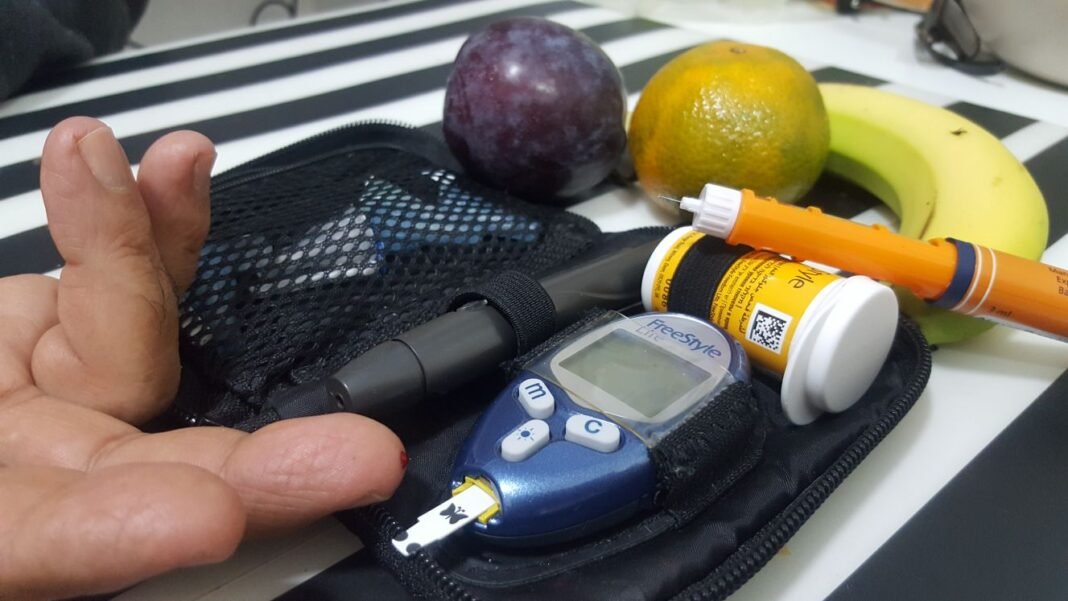
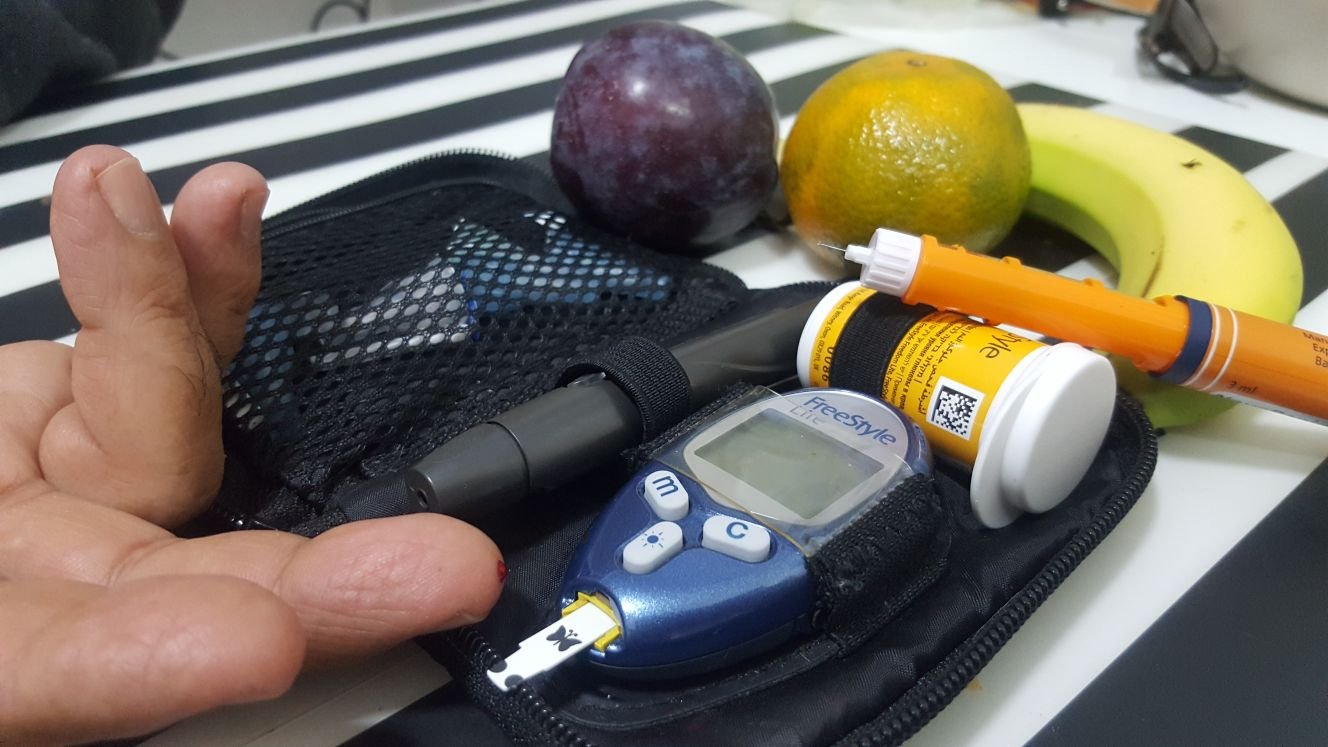
Checking blood sugar is the compass of diabetes care. Most families check before meals, before bed, before exercise, and whenever the child feels strange. In fact, a tiny finger prick and a glucose meter give a reading in seconds. Indeed, modern meters need only a drop of blood and hurt very little.
Continuous glucose monitors, or CGMs, are changing daily life for many families. A small sensor on the arm or belly reads sugar every few minutes. Moreover, parents can follow the numbers on a phone, even from another room. As a result, night-time worries drop sharply and school days run smoother.
Learn your child’s target range from the doctor. Typical targets keep sugar between roughly 70 and 180 mg/dL through most of the day. In addition, do not chase perfect numbers every hour. Instead, look at weekly patterns and adjust calmly. Above all, avoid scolding a child for a high or low reading — numbers are information, not grades.
Count Carbs Without Fear
Children with type 1 diabetes can eat the same foods as other kids. The key skill is carb counting. In fact, carbohydrates raise blood sugar the most, so the insulin dose matches the carbs in each meal. Bread, rice, pasta, fruit, milk, and sweets all contain carbs. Meanwhile, meat, eggs, and most vegetables contain very little.
Start with simple tools. Food labels list carbs per serving. In addition, a small kitchen scale helps for the first weeks. For example, a medium apple holds about 25 grams of carbs, and a cup of cooked rice holds about 45 grams. Soon parents estimate portions by eye with good accuracy.
Let children enjoy birthday cake and party food. The trick is to count the carbs and dose insulin to match. Meanwhile, keep mealtimes regular so insulin timing stays predictable. Indeed, a child who eats normally with friends feels normal — and feeling normal is powerful medicine.
Handle Low Blood Sugar Calmly
Low blood sugar, called hypoglycemia, is the most common daily scare. It happens when insulin works stronger than the food eaten, often after exercise. In fact, warning signs include shakiness, sweating, paleness, hunger, confusion, or sudden moodiness. Above all, every caregiver must recognize these signs fast.
Treat lows with the 15-15 rule. Give 15 grams of fast sugar, such as glucose tablets or half a cup of juice. Then wait 15 minutes and check again. Repeat if sugar is still low. For instance, keep glucose tablets in the school bag, the car, and the bedside drawer.
Severe lows are rare but serious. If a child becomes unconscious or has a seizure, do not force food or drink into the mouth. Instead, use emergency glucagon if the doctor prescribed it, and call emergency services at once. Afterwards, review with the doctor what triggered the episode. Consequently, each scare makes the family better prepared for the next one.
A School Care Plan for Type 1 Diabetes in Children
Children spend a third of their day at school, so the school must be part of the care team. Meet the teacher, the school nurse, and the administration before term starts. In addition, provide a written care plan from the doctor with clear steps for meals, checks, and emergencies. Above all, keep it to one simple page.
Pack a diabetes kit that stays at school. It should hold the meter, test strips, insulin, fast-acting sugar, and emergency contacts. In addition, give the teacher permission to let the child eat or test in class without fuss. Indeed, children should never feel punished for managing their health.
Sports and field trips need a little extra planning. Exercise lowers blood sugar, so pack extra snacks for game days. For example, a small juice box before football practice prevents most lows. Meanwhile, inform coaches about the warning signs. With preparation, diabetic children compete and play like everyone else.
Support the Whole Child
Diabetes affects feelings as much as blood sugar. Children may feel different, angry, or tired of the routine. In fact, teenagers sometimes skip insulin to fit in. These emotions are normal and deserve gentle attention. Above all, listen more than you lecture.
Let the child take charge gradually. A young child can choose which finger to prick. In addition, an older child can learn carb counting and dosing with supervision. Meanwhile, praise effort rather than perfect numbers. Indeed, independence builds confidence, and confidence builds better self-care.
Connect with other families managing type 1 diabetes in children. Diabetes camps, parent groups, and online communities share practical wisdom. For instance, another parent’s trick for painless night checks can change your evenings. In fact, nobody understands this journey like someone walking it too. For the prevention side of the story, see our parent guide to protecting children from diabetes.
Finally, hold onto the big truth. With modern insulin, smart monitoring, and loving support, type 1 diabetes in children does not stop a full, healthy, long life. They become athletes, doctors, artists, and parents themselves. The diagnosis changes daily routines, but it does not shrink a child’s future. Indeed, your child can thrive — and you are already doing the most important thing by learning how.