ISLAMABAD: The Drug Regulatory Authority of Pakistan has issued a new notification bringing eight categories of commonly used health products under stricter regulatory oversight. The DRAP health products rules aim to improve product quality and protect public health.
Sources said the items covered include vitamins, dietary supplements, medicated soaps, shampoos and specialised infant milk. These are products millions of Pakistanis buy routinely, often without a prescription.
What changes under the DRAP health products rules
Under the revised framework, the covered products will face registration, approval and quality-control requirements before they can be manufactured or marketed in Pakistan. In plain terms, companies will need the regulator’s clearance first, and their products will need to meet prescribed quality standards.
The move targets products that carry medicinal or therapeutic claims. A vitamin brand that promises to cure a deficiency, a shampoo that claims to treat a scalp condition, or an infant formula marketed with health benefits would all fall under the tighter regime. Products making no such claims sit outside it.
For consumers, the practical effect should be fewer substandard or mislabelled products on shelves. Registration creates a paper trail: the regulator knows who makes what, where it is made, and whether it meets the stated standard. Quality control adds testing to that chain.
Why the regulator is acting now
Pakistan’s market for vitamins and dietary supplements has grown fast, with pharmacies, supermarkets and online stores all stocking competing brands. Imported products sit beside local ones, and enforcement has struggled to keep pace with the range on offer.
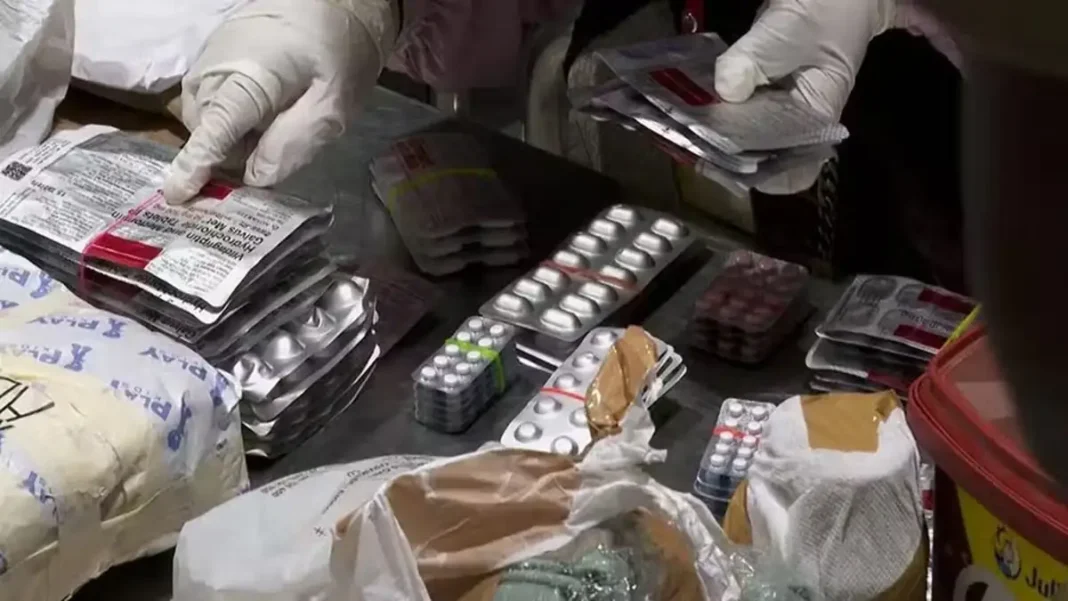
The notification follows a pattern of tighter enforcement around medicines and health goods. Customs officials recently seized Rs8 million worth of smuggled medicines at Karachi airport, a reminder that unregulated health products already move through grey channels. Bringing everyday health products under formal registration closes one more gap in that system.
Public health regulation has been in the news on other fronts too. In the capital, deaths linked to water quality raised an alarm in Islamabad, showing how quickly safety lapses become public crises. Against that background, a regulator choosing prevention over reaction is a welcome signal.
What shoppers should do
The new rules place the burden on manufacturers, not buyers. But shoppers can protect themselves in the meantime. Buy vitamins and supplements from licensed pharmacies rather than unknown online sellers. Check that packaging carries proper labelling, including the manufacturer’s name and address. Be sceptical of products that promise dramatic cures. And keep the purchase receipt, since it is the simplest proof of where a product came from if something goes wrong.
The notification does not ban any product outright. It sets a gate: register, prove quality, then sell. Companies already meeting good standards should clear it without trouble. Those cutting corners will now find it harder to reach the market.
Frequently asked questions
Which products do the new DRAP rules cover?
Eight categories, including vitamins, dietary supplements, medicated soaps, shampoos and specialised infant milk, specifically products carrying medicinal or therapeutic claims.
Do I need a prescription to buy vitamins now?
No. The notification does not ban any product or add prescription requirements. It requires manufacturers to register products and meet quality standards before sale.
When do the rules take effect?
DRAP issued the notification on Monday. Products covered by it will need registration, approval and quality-control clearance before manufacture or marketing in Pakistan.