Qatar’s Baladna Eyes Animal Feed From Pakistan
Qatar’s Baladna Group is exploring buying animal feed from Pakistan to supply its expanding overseas operations, after talks in Islamabad on Wednesday.
The delegation discussed sourcing maize, soybeans, alfalfa and Rhodes grass from Pakistan. The food security ministry said no purchase agreement, volumes or timetable were announced.
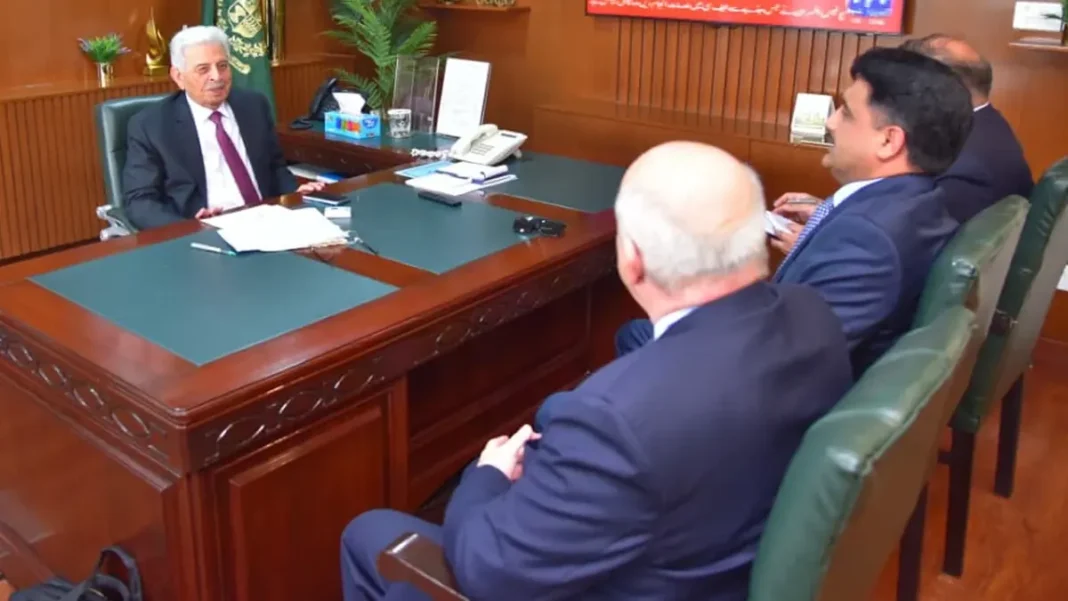
Food Security Minister Rana Tanveer Hussain met the Baladna delegation in Islamabad. Arab News reported the talks on Wednesday.
A new customer for Pakistani growers
For Pakistan’s growers, a supply deal would open another overseas customer. Agriculture accounts for 23.4 per cent of Pakistan’s economy, and livestock makes up more than 60 per cent of farm output by value.
Pakistan produced 8.79 million tonnes of maize in 2025-26, down 2.7 per cent from the year before, according to the government’s economic survey.
The minister proposed working with private companies to make Pakistan “a potential animal feed supply hub for the entire Middle East”, the ministry said. He also raised Pakistani rice exports to Qatar, Radio Pakistan reported, pointing to high-quality rice, surplus production and competitive pricing.
Talks go beyond animal feed
The talks also covered joint ventures in dairy and livestock farming, slaughterhouses and meat processing, and milk processing and packaging, along with plants to make cheese, milk powder and other value-added dairy products. The ministry announced no investment commitment for those projects.
In 2024, Baladna signed a framework agreement to develop a dairy farming and milk powder project in Algeria, valued at $3.5 billion. The delegation also briefed the minister on the project, which aims to meet half of Algeria’s milk powder needs. The talks put Pakistan on the radar of a Gulf dairy producer that is expanding into North Africa.
Why Gulf buyers want animal feed from Pakistan
Pakistan has courted Gulf fodder buyers before. A trade delegation of six leading animal fodder exporters visited Qatar in May 2025 and met buyers including Baladna, as part of a push organised by the Trade Development Authority of Pakistan.
Pakistan exported $10.8 million worth of Rhodes grass in 2023-24, with Qatar among its top markets. Pakistani alfalfa averages about $330 a tonne in export value, and shipping to Qatar covers about 1,100 kilometres, against more than 12,000 kilometres from traditional suppliers such as the United States.
Pakistan’s annual fodder output stands at 55.47 million tonnes, with alfalfa accounting for 5.32 million tonnes. The discussion in Islamabad also covered the pressures on traditional farm exporters from climate change, water scarcity and the environment, and the delegation said Pakistan could produce competitively priced animal feed and dairy products for rising demand across Asian and Middle Eastern markets.
The interest fits a wider push to sell Pakistani farm goods abroad. FoodAg 2026 generated $658 million in expected business. Pakistan is also working with Brazil on livestock modernisation, and 14 areas have been picked to boost shrimp farming.
Food prices are a live concern at home too: November inflation is projected near 9.8 per cent, with food prices doing much of the damage. Pakistan and Russia have set a $5 billion trade target for 2030, which shows how wide the export push now runs.
Frequently asked questions
What is Baladna looking to buy from Pakistan?
Animal feed: maize, soybeans, alfalfa and Rhodes grass.
Has a deal been signed?
No. No purchase agreement, volumes or timetable were announced.
Who led the talks?
Food Security Minister Rana Tanveer Hussain met the Baladna delegation in Islamabad.
What else was discussed?
Joint ventures in dairy and livestock farming, slaughterhouses, meat processing and cheese and milk powder plants. No investment commitment was announced.
Why does Baladna want Pakistani feed?
The company is expanding overseas, including a $3.5 billion dairy project in Algeria, and Pakistan offers competitive prices and short shipping routes to the Gulf.