Pakistan Brazil Livestock Cooperation Grows
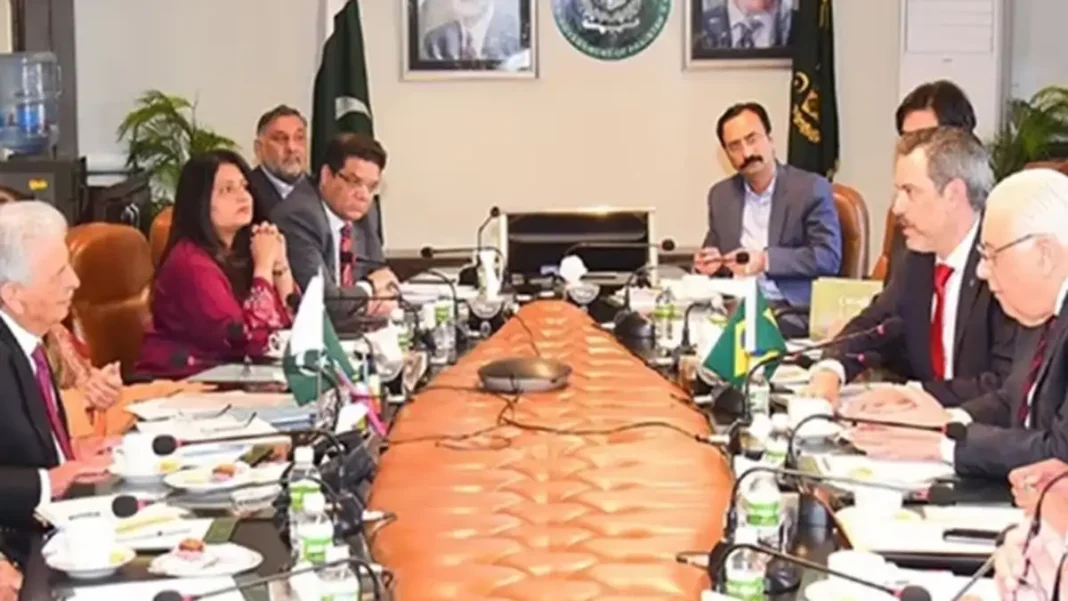
Pakistan Brazil livestock cooperation has taken a step forward, with Islamabad asking Brasilia for help to modernise the livestock sector and expand farm trade. Federal Minister for National Food Security and Research Rana Tanveer Hussain made the request in a meeting with a Brazilian delegation in Islamabad, noting that bilateral trade crossed $1 billion in the 2024-25 fiscal year.
Hussain met a delegation led by Brazilian Deputy Secretary for Trade and International Relations Ambassador Rafael Guimarães Requião. He stressed diversifying trade and ensuring reciprocal market access, according to a statement issued on Tuesday.
The minister identified livestock modernisation as a major area of cooperation, pointing to Brazil’s expertise in cattle breeding and halal meat exports. He highlighted the untapped potential of Pakistan’s largely informal livestock sector and expressed interest in adopting Brazilian technologies to make it export-oriented.
What Pakistan Brazil livestock cooperation covers
Pakistan is setting up four foot-and-mouth disease control zones, drawing on Brazilian experience. Hussain also pressed for the early start of the Joint Working Group on Livestock and Dairy Cooperation, the forum meant to carry the work forward.
The talks went beyond livestock. In the crops sector, Hussain highlighted the recently announced GMO policy and cooperation in biotechnology, particularly cotton. Domestic cotton production has fallen to roughly 5.6 million bales, and he stressed improved seed quality and high-yielding varieties.
He welcomed the completion of regulatory procedures for GM soybean imports from Brazil and called for early submission of pending technical information on cotton seed imports. He also sought to expand exports of Basmati rice, mangoes, dates, citrus fruits and potatoes, with Brazil indicating that regulatory requirements for rice trade had been fulfilled.
In fisheries, Hussain invited Brazilian investment in commercial shrimp farming in Punjab and Sindh. He proposed an integrated aquaculture value chain covering hatcheries, feed production, farming, processing and cold-chain infrastructure.
Why Brazil matters for Pakistan’s farms
Brazil is one of the world’s biggest farm exporters and a leader in halal meat, which makes its experience directly relevant to Pakistan. Its cattle breeding, disease control and meat processing systems are built for export markets, including Muslim-majority countries that buy halal meat.
Pakistan’s livestock sector, by contrast, remains largely informal. Millions of small farmers keep animals, but poor disease control, weak cold chains and low productivity hold back exports. Foot-and-mouth disease is one of the main barriers: importing countries will not accept meat from regions where the disease is not controlled. The four control zones are meant to change that, giving Pakistan disease-free compartments that can meet export standards.
The timing fits a wider push. Pakistan and Brazil agreed last week to deepen farm cooperation, with a high-level Pakistani delegation set to visit Brazil in January 2027 to study its farming practices and research institutions. The new meeting builds on that understanding with concrete items: the working group, the disease zones and the shrimp farming invitation.
Fisheries are part of the same plan. Pakistan has picked 14 priority areas to boost shrimp farming, and a wider upgrade of the fisheries sector is already under way to lift seafood exports. Brazilian investment in hatcheries, feed and cold chains would plug directly into that programme.
The farm push also sits inside Pakistan’s broader trade diplomacy. Islamabad has used food diplomacy at the United Nations to open new markets for its farm goods, and Brazil, as a fellow large agricultural producer, is both a partner and a model. The test now is whether the working group and the disease zones move from announcements to work on the ground.
Frequently asked questions
What did Pakistan ask Brazil for?
Pakistan asked Brazil for cooperation to modernise its livestock sector, drawing on Brazilian expertise in cattle breeding, halal meat exports and foot-and-mouth disease control.
How much trade do Pakistan and Brazil do?
Bilateral trade between the two countries exceeded $1 billion during the 2024-25 fiscal year.
What are the four foot-and-mouth disease zones?
Pakistan is establishing four foot-and-mouth disease control zones, modelled on Brazilian experience, to control the disease and meet the standards that meat-importing countries demand.
What is the Joint Working Group on Livestock and Dairy Cooperation?
It is the bilateral forum meant to carry forward cooperation on livestock and dairy. Pakistan has pressed for it to start work soon.
What else did the talks cover?
The talks covered cotton seed and biotechnology, GM soybean imports, exports of Basmati rice, mangoes, dates, citrus and potatoes, and Brazilian investment in commercial shrimp farming in Punjab and Sindh.