Biggest Industry of Pakistan: Why Textiles Leads and What Could Overtake It
Which is the biggest industry of Pakistan? The definitive answer — why textiles dominates exports, jobs and GDP, how the cotton-to-container value chain works, and the one industry that could challenge it.
Quick answer: The biggest industry of Pakistan is textiles: 8.5% of GDP, 60%+ of exports (US$17.88B FY2025), 15–25 million jobs. The cotton-to-container chain runs through Faisalabad, Karachi and Lahore — and only IT services is growing fast enough to challenge it.
In this guide
Why Textiles Is the Biggest Industry of Pakistan
Three facts settle it. Exports: textiles earned US$17.88 billion in FY2025 — over 60% of everything Pakistan sells abroad (58.3% in August 2026 alone, per State Bank data). Jobs: 15–25 million Pakistanis work in the sector directly or indirectly, about 40% of the industrial labour force — from cotton pickers to garment stitchers, many of them women. GDP: about 8.5%, more than any other single industry. No rival comes close on all three measures at once — see the full comparison in our largest industry of Pakistan guide.
From Cotton to Container: The Value Chain
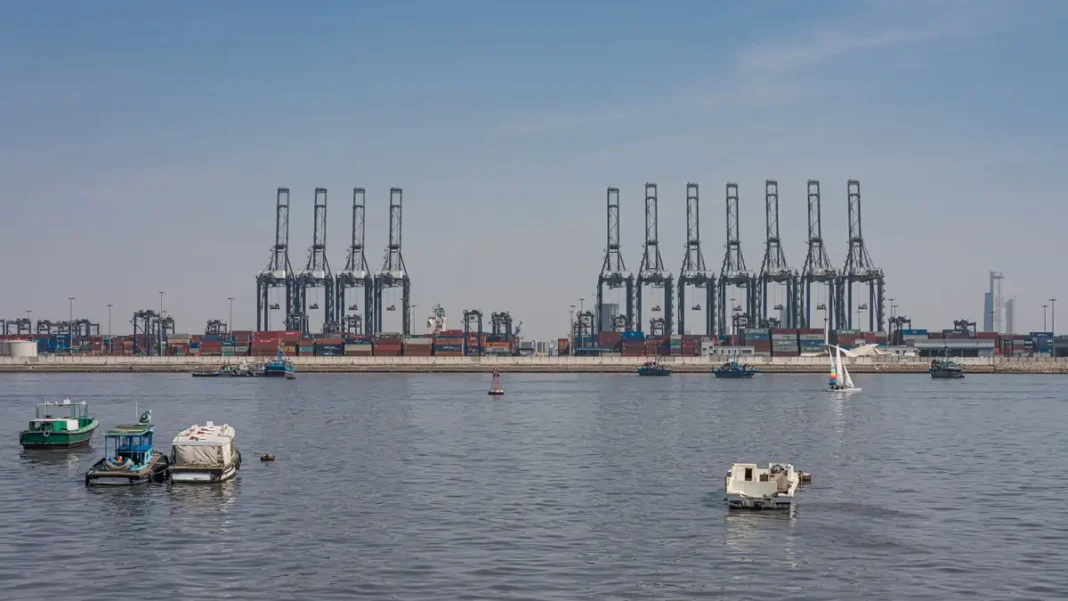
Pakistan is the world’s 5th largest cotton producer, and the chain starts in the fields of Punjab and Sindh. 1,200+ ginning units separate lint from seed; 442 spinning units — concentrated in Faisalabad, the “Manchester of Pakistan” — spin it into yarn; weaving and knitting units make fabric; dyeing and finishing add value; and garment factories with 700,000+ stitching machines cut and sew the final products. The containers leave through Karachi’s ports for the USA, EU and UK — Pakistan’s GSP+ status keeps European tariffs low. Each step up the chain multiplies the export dollar — which is why policy pushes the industry from raw yarn toward finished garments and technical textiles. In August 2026 alone, knitwear earned US$443.91 million, made-up textiles US$429.96 million and readymade garments US$343.24 million (State Bank of Pakistan). The industry’s Textile and Apparel Policy 2025–30 now targets the weak spots — energy costs, synthetic fibres and green compliance — to keep the crown.
Who Could Challenge Textiles?
IT and software services is the only serious challenger: US$3.8 billion in exports in just ten months of FY2025–26, growing about 20% a year — but from a base one-fifth the size of textiles. Pharmaceuticals and cement are solid exporters; Sialkot’s sports goods and surgical instruments dominate their global niches. Realistically, textiles holds the crown for the rest of this decade — its threats are competitiveness (energy costs, Bangladesh and Vietnam) and compliance (EU sustainability rules), not a rival industry. For the wider economic picture, read our Pakistan economy 2026 guide.
Frequently Asked Questions
What is the biggest industry of Pakistan?
Textiles — about 8.5% of GDP, over 60% of exports (US$17.88B in FY2025), and 15–25 million jobs, roughly 40% of the industrial workforce.
How many people work in Pakistan’s textile industry?
Between 15 and 25 million directly and indirectly — around 40% of the country’s industrial labour force, the largest industrial employer by far.
What does Pakistan export the most?
Textile products: knitwear, made-up textiles (bed linen, towels), readymade garments and cotton — together over 60% of total exports.
Which is bigger: Pakistan’s textile or IT industry?
Textiles, by far — US$17.88B in exports (FY2025) vs about US$3.8B for IT services. But IT is growing ~20% a year, far faster than textiles.