Creation of Pakistan: How the Country Came Into Being in 1947
The creation of Pakistan on 14 August 1947 was the climax of a seven-year endgame — from the Lahore Resolution of 1940 through war-time negotiations, a sweeping electoral mandate and finally partition. This is how the world’s largest Muslim state came into being.
Quick answer: Pakistan was created on 14 August 1947, when British India was partitioned under the 3 June Plan into the independent dominions of India and Pakistan. The creation followed the Lahore Resolution (1940), the Muslim League’s sweeping victory in the 1945–46 elections, the failure of the Cabinet Mission’s united-India plan (1946) and the Indian Independence Act passed by the British Parliament in July 1947.
In this guide
1940: The Demand Is Made
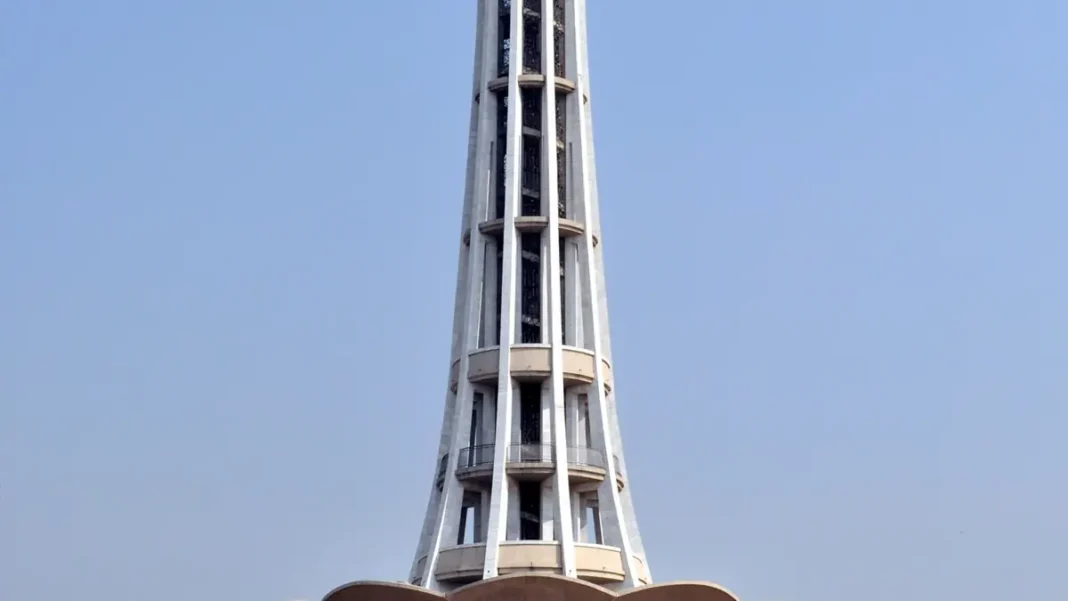
On 23 March 1940, at its Lahore session, the All-India Muslim League resolved that the Muslim-majority areas of northwestern and eastern India should be “grouped to constitute independent states”. The resolution did not use the word “Pakistan” — the press supplied the name — but under Jinnah’s leadership the League turned it into a mass movement. The factors that led to the creation of Pakistan — the Two-Nation Theory, the 1937–39 Congress ministries, decades of failed settlements — had prepared the ground; 1940 planted the flag.
1945–46: The Mandate
The Second World War froze constitutional politics, but the 1945–46 elections unfroze it decisively: the Muslim League won the overwhelming majority of Muslim seats, proving it spoke for the community. The League could now claim — and did — that it alone represented the Muslims of India, and that those Muslims wanted Pakistan. No British plan after this could ignore the demand.
1946–47: The Negotiations Fail
Britain’s last attempt at a united India, the Cabinet Mission Plan (1946), proposed a loose federation — accepted, then wrecked, by Congress-League disagreement. Direct Action Day (16 August 1946) and the communal violence that followed demonstrated that a single government could no longer hold. By early 1947, with communal killings spreading and the administration breaking down, even the British accepted that partition was the only workable exit.
June–August 1947: Partition
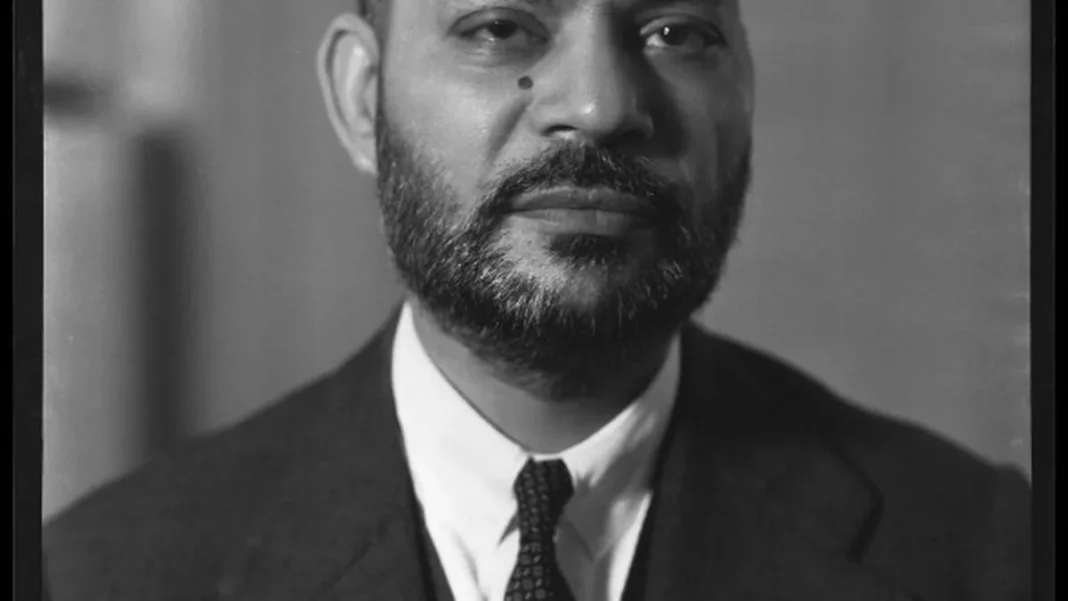
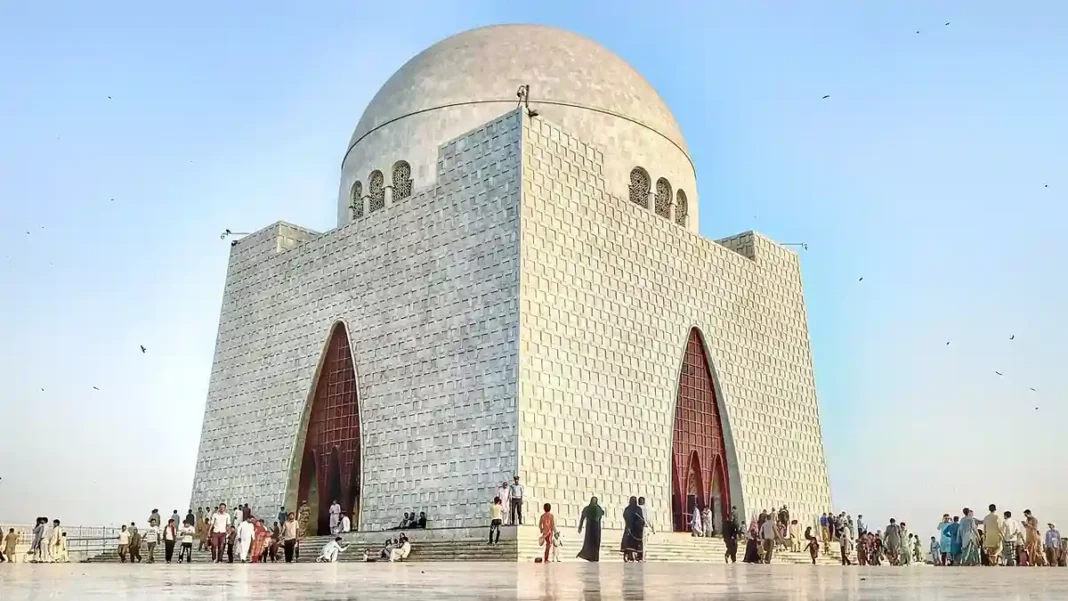
On 3 June 1947, Viceroy Lord Mountbatten announced the partition plan: British India would be divided into the independent dominions of India and Pakistan, with the Muslim-majority provinces (and the Muslim-majority districts of Punjab and Bengal, divided by boundary commissions) forming Pakistan. The British Parliament passed the Indian Independence Act in July, and at midnight on 14 August 1947, Pakistan came into being — with Muhammad Ali Jinnah as its first Governor-General and Karachi as its first capital. The partition that created Pakistan also divided Punjab and Bengal and triggered one of history’s largest mass migrations. Nine years later, the new state would become a republic — the story told in our guide to when Pakistan became an Islamic republic.
Frequently asked questions
Who created Pakistan?
Pakistan was created through the Pakistan Movement led by Muhammad Ali Jinnah and the All-India Muslim League, and formally brought into being by the British 3 June 1947 Plan and the Indian Independence Act. Jinnah — the Quaid-e-Azam — is honoured as the founder.
Why was Pakistan created?
The Muslim League argued that Muslims and Hindus were two nations who could not share one state after British withdrawal — the Two-Nation Theory — and that Muslims needed a homeland where they would not be a permanent minority. The 1937–39 Congress ministries and the failure of every constitutional compromise made the demand unstoppable.
What was Pakistan’s first capital?
Karachi. It served as the capital from 1947 until the seat of government began moving to the new city of Islamabad in the 1960s.
Related Guides