Eid al-Adha, the Festival of Sacrifice, ranks among the two great festivals of the Islamic year. In 2026, it should fall on Wednesday, 27 May, although the final date depends on the moon sighting.
Across Pakistan and the wider Muslim world, the day centres on three things: the Eid prayer, the Qurbani, and a spirit of sharing. Moreover, that sharing reaches relatives, neighbours, and the poor alike.
So here’s what the occasion marks, when it falls, and how Muslims observe it.
When Is Eid al-Adha 2026?
Muslims observe Eid al-Adha on the 10th of Dhul Hijjah. This is the twelfth and final month of the Islamic lunar calendar. In 2026, that day lands on Wednesday, 27 May. Furthermore, the celebrations run for roughly three to four days, which includes the days of Tashreeq.
Because the Islamic calendar follows the moon, the exact date can shift by a day from one country to the next. In Pakistan, the Ruet-e-Hilal Committee confirms the final date once it sights the Dhul Hijjah moon.
What Eid al-Adha Commemorates
The festival honours the faith of Prophet Ibrahim (AS). In a well-known account, Ibrahim dreamt that Allah commanded him to sacrifice his son. Yet as Ibrahim showed his willingness to obey, Allah replaced the boy with a ram. Today, Muslims remember this moment as the ultimate test of submission. In fact, the Qurbani echoes that very act each year.
At its heart, the occasion stands for three things:
- faith and submission to God
- sacrifice and devotion
- generosity towards others
In short, the lesson is simple. What truly counts is sincerity and piety, not the offering itself.
How Hajj and Eid al-Adha Are Connected
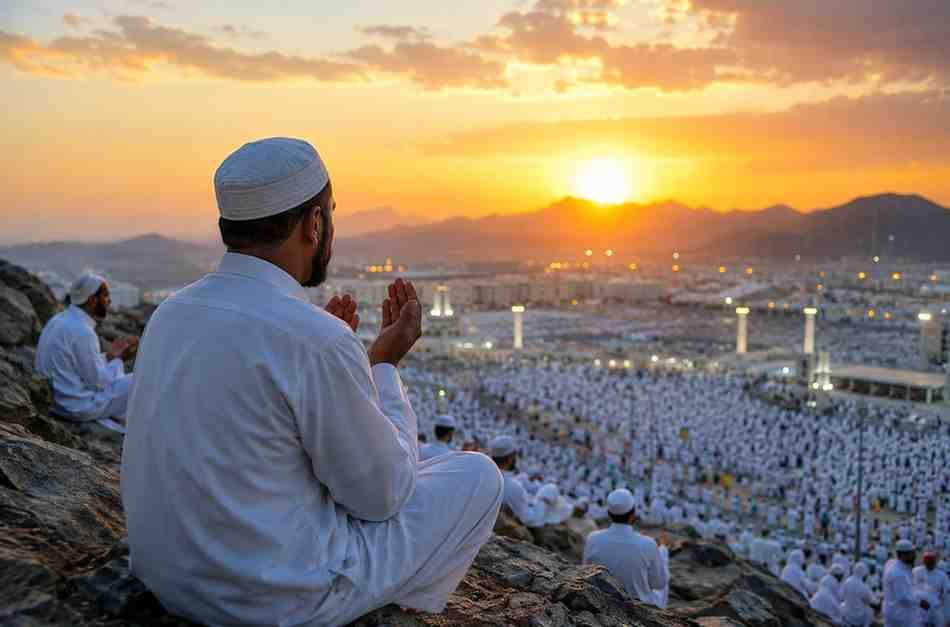
Eid al-Adha falls in the same month as Hajj, the annual pilgrimage to Makkah and one of the Five Pillars of Islam. In 2026, the Hajj rituals take place in the days around Eid. For example, the Day of Arafah lands on 26 May, just before Eid.
Meanwhile, pilgrims in Makkah mark the occasion with set rituals. These include the stoning of the pillars (Ramy al-Jamarat) and the animal sacrifice. However, most Muslims do not perform Hajj. For them, Eid-ul-Adha still offers a way to share that spirit from home, a day for reflection, gratitude, and humility.
The Main Rituals of the Day
Eid Prayer
First, the day begins with a congregational prayer. Mosques and large open grounds usually host it. Worshippers arrive early in their finest clothes, offer the two-rakat prayer, and then stay for the sermon (khutbah).
Qurbani
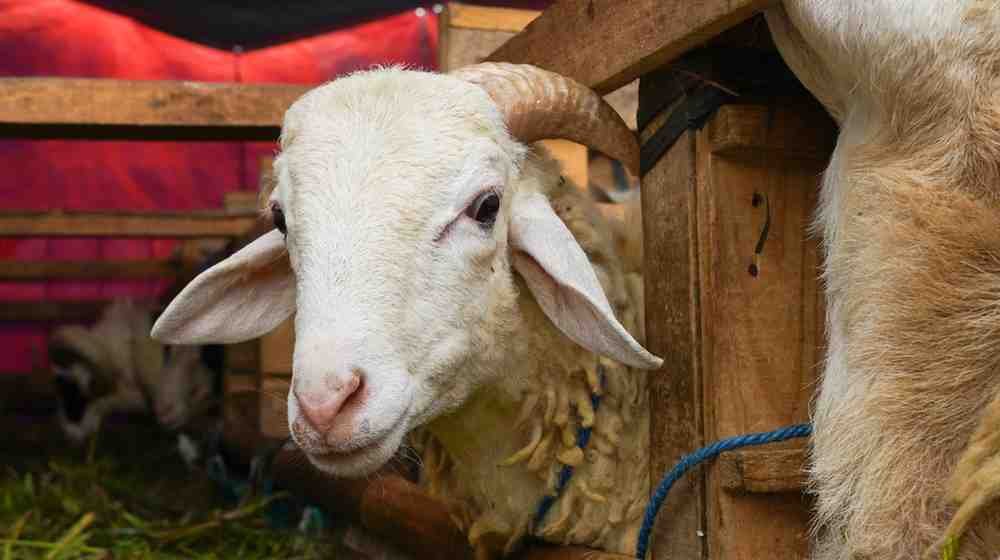
Next comes the Qurbani. Here, families sacrifice an animal such as a goat, sheep, cow, or camel. This act honours Prophet Ibrahim’s submission to Allah. Afterwards, they divide the meat into three equal parts:
- one part for the family
- one part for relatives, friends, and neighbours
- one part for the poor and those in need
Indeed, this final share gives the festival much of its meaning. It puts fresh meat on the table of families who might otherwise go without.
Greetings, Food, and Family Traditions
After the prayer, Muslims greet each other with “Eid Mubarak,” meaning “Blessed Eid.”
They share hugs and handshakes, then visit one another all day. Families also gather for big meals and spend the time together. Children enjoy a special focus too, since adults often give them Eidi, small gifts or money.
In Pakistan, the days before Eid bring their own rituals. For instance, women and girls decorate their hands with henna. Meanwhile, busy livestock markets fill up as families pick their sacrificial animals, often weeks in advance.
Beyond the rituals, Eid al-Adha reminds Muslims of what the faith values above all else: devotion, sacrifice, and care for the community. So on 27 May 2026, millions will renew that commitment. They will do so through prayer, through Qurbani, and through giving to those who have the least.