Govt Revives Rs25bn Oil Windfall Tax on Refineries
The government has revived a plan for an oil windfall tax on refineries, aiming to collect at least Rs25 billion under a commitment made to the International Monetary Fund (IMF). A committee has proposed a 20 percent levy on the additional quarterly gains of refineries, while oil marketing companies would stay outside the tax.
Finance Minister Muhammad Aurangzeb chaired a meeting this week to finalise the proposal, but it ended without agreement, as tax officials and the Petroleum Division disagreed on whether the tax should be imposed and which period should measure the gains.
The Tribune reported the revival of the proposal on Friday, November 27.
The disagreement over the base period
The Federal Board of Revenue is weighing March, June and September as possible base periods for the calculation. Tax officials lean towards end-September accounts, while the Petroleum Division argues for June.
The Prime Minister has set up a committee under Petroleum Minister Ali Pervaiz Malik. It has finalised draft recommendations for a 20 percent levy on additional quarter-on-quarter gains, with any relief given by refineries adjusted against it. It has not proposed any tax on oil marketing companies.
The choice of base period decides how much each refinery pays, and tax officials argue refineries booked inventory losses in April to June to avoid the levy, though they accept there was nothing illegal in it.
Why the tax is back on the table
Prime Minister Shehbaz Sharif set up a committee in May to recover windfall gains from oil marketing companies, after the Middle East war drove prices and profits up. The government has now told the IMF it will recover Rs25 billion from oil companies through the levy. A senior official said other revenue measures may be needed if the levy is not imposed.
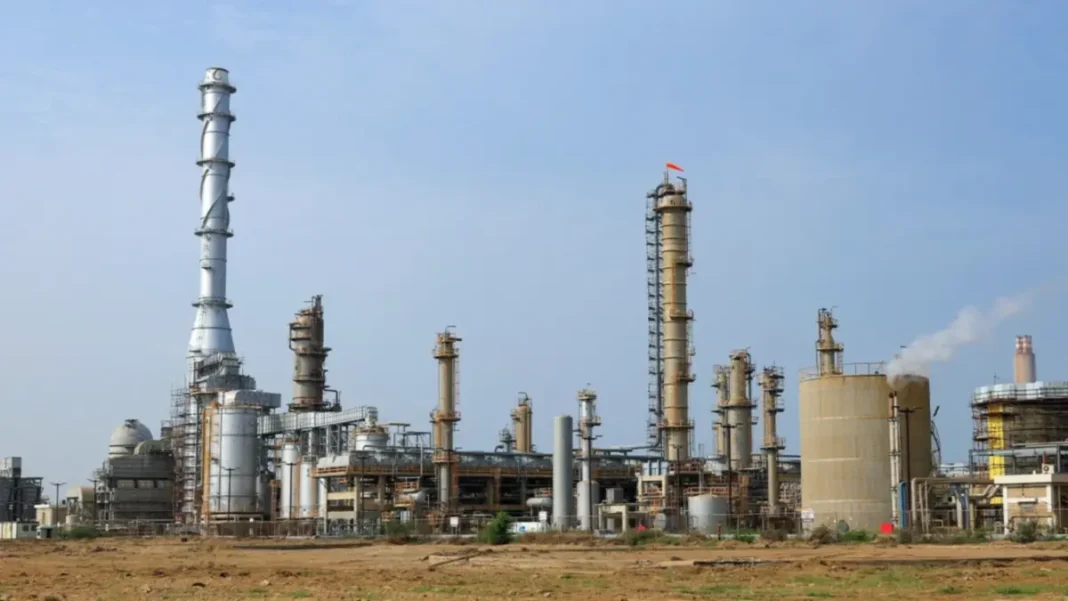
The four major listed refineries, Pakistan Refinery Limited, National Refinery Limited, Attock Refinery Limited and Cnergyico, reported combined profits of Rs90 billion in the first quarter of this fiscal year, after Rs84 billion in the last fiscal year. Tax officials want to tax those gains. The Petroleum Division has pushed back, arguing the four companies could post losses later in the year, so quarterly accounts should not decide the tax.
Pakistan’s largest refinery, Pak Arab Refinery Company (PARCO), accounts for about 60 percent of refinery revenues, but it has not yet submitted its tax returns for the last fiscal year.
Pakistan State Oil recorded a gross loss of Rs33.7 billion in the fourth quarter of last fiscal year, leaving full-year profit after tax at Rs15 billion. The result kept PSO outside the gain tax in a legal manner. Some tax officials called the accounting “creative accounting”, which the Petroleum Division rejected.
How the oil windfall tax would work
The government will not need a presidential ordinance or a bill in the National Assembly. Parliament has delegated that power to the federal bureaucracy, so the levy can be imposed through a Statutory Regulatory Order (SRO) without amending the Income Tax Ordinance.
The law applies the extra tax where income or gains arose from an economic factor that produced windfall income, such as international price swings or foreign currency fluctuation.
The law allows a tax of up to 50 percent on such gains, and a tax official said the Rs25 billion target would decide the final rate.
The revenue pressure behind the move
The FBR faces a shortfall of Rs95 billion, and the November target of Rs1.08 trillion is likely to be missed by a wide margin. Collections have grown only about 7 percent in the first four months, against the 17 percent pace needed.
For consumers, the timing is mixed. Petrol prices were cut to Rs313 per litre and diesel to Rs346 from November 27. The cut gives relief at the pump, while the levy would take a share of refinery profits from the price spike. An earlier FP report covered the audit of refinery accounts and fuel pricing. Foreign investment rose 22 percent to $936 million in the first four months of the fiscal year. The National Accountability Bureau is separately examining private gas allocation involving SNGPL.
Frequently asked questions
What is the windfall gain tax?
It is an extra tax on profits that arise from an unusual economic factor, such as a sharp rise in international oil prices. The law allows a levy of up to 50 percent on such gains.
How much does the government want to collect?
At least Rs25 billion from oil sector companies, a figure given to the IMF as a commitment.
Which companies would pay it?
The committee has proposed a 20 percent levy on the additional quarterly gains of oil refineries. It has not proposed a tax on oil marketing companies.
Why does the Petroleum Division oppose the tax?
It argues the four listed refineries could post losses later in the year, so quarterly accounts should not decide the tax. It also argues for June, rather than September, as the base period for measuring gains.
How would the levy be imposed?
The levy can be imposed through a Statutory Regulatory Order, without a presidential ordinance or a bill in the National Assembly, because Parliament has delegated that power to the federal bureaucracy. The law allows a tax of up to 50 percent on such gains.