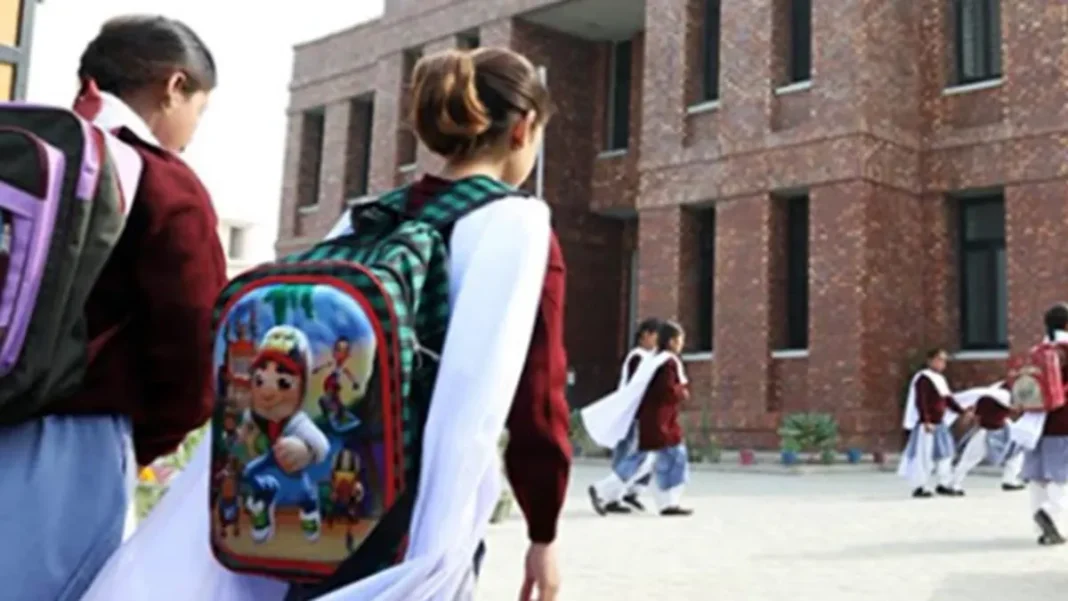
Heavy school bags are hurting young children, warn parents and doctors in Islamabad
Parents in Islamabad have raised serious concern over the weight of heavy school bags carried by young children, saying the daily burden is affecting their health, comfort and ability to concentrate in class. Doctors back the warning, saying overloaded bags are landing children in clinics with shoulder and back pain.
Every morning outside schools, parents can be seen helping small children carry bags that look disproportionately large for their frames. According to parents, the bags are routinely stuffed with textbooks, notebooks, water bottles and lunch boxes, making them difficult for young children to carry on their own.
The concern over heavy school bags is growing at a time when school safety is already under the microscope in Pakistan, days after the Peshawar school roof collapse that killed 35 children and prompted Khyber-Pakhtunkhwa to order safety inspections of all government schools.
Doctors link heavy school bags to back and shoulder pain
Dr Bilal, an orthopaedic doctor in Rawalpindi, says many of his young patients are reporting shoulder and back pain linked to heavy school bags. “We are seeing many young patients complaining of shoulder and back pain due to heavy school bags,” he said, adding that excessive weight could affect spinal development, cause muscle strain and lead to poor posture if left unaddressed.
He said a child’s school bag should weigh no more than 10 to 15 per cent of the child’s body weight. Carrying more than that, he warned, places added pressure on the spine and shoulders and can cause fatigue, headaches and difficulty walking properly.
Children are still developing physically, he added, and prolonged pressure from heavy bags can leave them tired through the day, which in turn affects their concentration and learning in class.
Parents describe the daily struggle
Atiqa, the mother of a seven-year-old Class 2 student, said her daughter’s bag is so heavy that the child cannot lift it properly. “I have to carry it to the school van daily, and in the evening she complains of pain in her shoulders,” she said.
She said her daughter leaves for school happily but returns exhausted and often avoids homework because of fatigue.
Her account echoes what many parents describe: a daily routine in which the bag, not the child, sets the pace of the morning.
What can be done about heavy school bags
Doctors say the fix starts with the 10 to 15 per cent rule: weigh the packed bag and compare it with the child’s weight. Schools can help by rationalising timetables so children carry only the books needed for the day, providing lockers or classroom storage, and encouraging lighter bags and water bottles.
Parents, for their part, are asking schools to take the issue seriously rather than treating it as a minor complaint. With education authorities already inspecting school buildings for safety, campaigners say the weight children carry to school deserves the same attention as the buildings they sit in.
Frequently asked questions
How heavy should a child’s school bag be?
An orthopaedic doctor advises that a school bag should weigh no more than 10 to 15 per cent of the child’s body weight. Anything heavier risks back and shoulder pain, poor posture and fatigue.
What health problems can heavy school bags cause?
Doctors link overloaded bags to shoulder and back pain, muscle strain, poor posture, headaches, fatigue and difficulty walking properly. In growing children, excessive weight can also affect spinal development.
What are parents asking schools to do?
Parents want schools to rationalise timetables so children carry fewer books each day, provide lockers or classroom storage, and treat bag weight as a genuine health issue rather than a minor complaint.