Houthis Fire Missiles at Presidential Palace in Yemen’s Aden
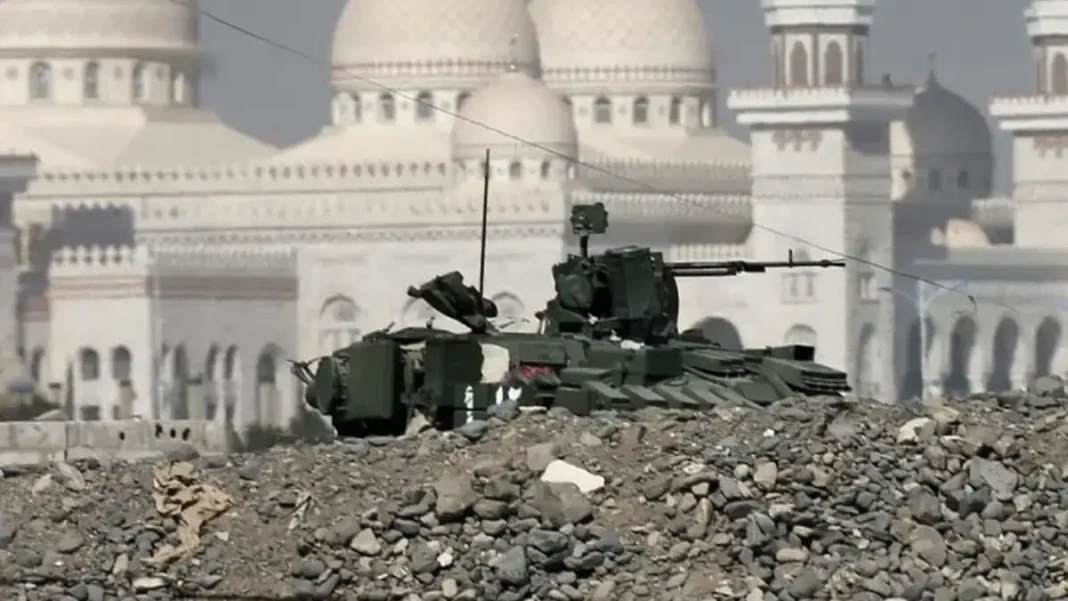
Yemen’s Houthi rebels fired several missiles at the presidential palace complex in the southern port city of Aden on Thursday, October 15, two Yemeni government officials told Reuters. The Houthis fire missiles Aden attack brought the fighting directly to the seat of Yemen’s internationally recognised government, which is backed by Saudi Arabia.
Three witnesses told Reuters they heard loud booms in the vicinity of the palace. The strike produced no immediate casualty reports, but it sent a clear signal that the fighting has entered a dangerous new phase.
Aden serves as the headquarters of the government opposed by the Houthis. The city has largely been spared strikes of this kind since Yemen’s war settled into a frozen state. That calm now appears to be over.
How the Houthis fire missiles Aden attack fits the wider escalation
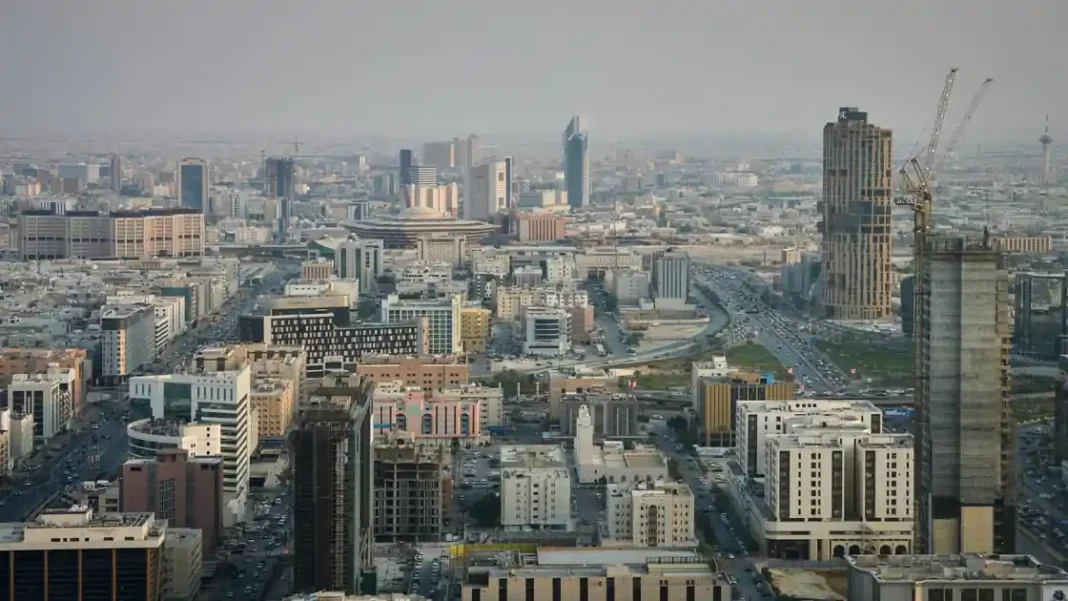
The palace strike did not come out of nowhere. A Reuters analysis published the same day described a Yemen war that had been comparatively frozen since a UN-brokered truce in 2022 and has now erupted again. Over the past week, the Houthis have repeatedly struck Riyadh’s King Khalid International Airport, hit Saudi Aramco facilities, and targeted airports, ports and energy infrastructure across the kingdom.
The Saudi-led coalition has vowed a decisive response to the attacks. US President Donald Trump has said he is evaluating whether the United States should join Saudi strikes against the Houthis. Earlier this week, Saudi air defences intercepted a missile the kingdom said was aimed at the holy city of Madina, a claim the Houthis denied.
Why Pakistan should watch the Aden strike closely
The Aden strike matters to Pakistan for three reasons: energy, workers and pilgrims. Pakistan is a net importer of fuel, and the Houthi campaign has already hit Saudi energy infrastructure. If the fighting disrupts Saudi oil output for a sustained period, global crude prices will rise and Pakistan’s import bill will follow.
Saudi Arabia also hosts a large Pakistani workforce, and an escalating missile war raises safety concerns for families back home. Pakistani travellers flying to the kingdom, including pilgrims heading for Umrah, face possible disruption as airports come under attack.
Pakistan recently signed a defence pact with Saudi Arabia, and Defence Minister Khawaja Asif has said Pakistan will defend Saudi Arabia against any threat. No new Pakistani official statement on Thursday’s strike has been reported. Washington is separately weighing whether the United States should join Saudi strikes against the Houthis, a decision that would widen the conflict further.
What happens next
The key question is how the Saudi-led coalition answers the Aden strike. Riyadh has promised a decisive response, and its officials have accused Iran of arming and training the Houthis, an allegation the Houthis reject. The Houthis have previously denied acting as an Iranian proxy.
For now, the 2022 truce that froze Yemen’s war looks finished. Each new strike raises the risk of a return to the open fighting that devastated the country after 2015.
FAQ
Why did the Houthis target the presidential palace in Aden?
Aden is the seat of Yemen’s internationally recognised government, which is backed by Saudi Arabia. Striking the palace complex was a direct challenge to that government’s authority.
Were there casualties in the Aden missile strike?
Reuters reported no immediate casualty figures. Witnesses heard loud explosions near the palace, but the extent of any damage was not confirmed in the initial reporting.
How does the Aden attack affect Pakistan?
Pakistan is a net fuel importer, so sustained disruption to Saudi oil infrastructure could raise global crude prices and Pakistan’s import bill. The kingdom also hosts many Pakistani workers, and airport strikes could disrupt travel for pilgrims and other travellers.
Is Yemen’s war getting worse again?
Reuters analysis says the war had been comparatively frozen since the UN-brokered truce of 2022 and has now erupted again, with Houthi strikes spreading from Yemen to airports and energy sites across Saudi Arabia.
What has the Saudi-led coalition said?
The coalition has vowed a decisive response to the Houthi campaign. It has also accused Iran of arming, training and supporting the Houthis, a charge the Houthis and their backers deny.