Individual Savings Accounts are one of the best tax breaks available in the UK. Each tax year, you can shield up to £20,000 from tax on interest, dividends and investment growth. Yet the rules confuse many savers. So how many ISAs can I have? The short answer is simple. There is no limit on the number of ISA accounts you can hold. The limit applies to how much new money you pay in each tax year. You will learn how the annual allowance works, which types of ISA you can hold, what changed in 2024, and the mistakes you should avoid.
How Many ISAs Can I Have? The Short Answer
You can hold as many ISAs as you like. There is no legal cap on the number of accounts. You could also hold old ISAs from previous tax years alongside new ones. However, the amount of new money you pay in is limited. For the 2026/27 tax year, the limit is £20,000 per person. This is called the annual ISA allowance. It runs from 6 April to 5 April each year. As a result, the real question is not how many accounts you can open. It is how you spread your £20,000 across them. Junior ISAs have a separate £9,000 allowance per child.
Understanding the £20,000 Annual ISA Allowance
The annual allowance is the total you can pay into ISAs each tax year. For 2026/27, it is £20,000. It has stayed at this level since 2017. The government has confirmed it will remain frozen until 2030. The allowance works on a use-it-or-lose-it basis. If you pay in £12,000 this year, the remaining £8,000 disappears on 5 April. You cannot carry it forward. One important change is coming. From 6 April 2027, the amount under-65s can pay into a cash ISA each year will fall to £12,000. The overall £20,000 allowance will stay the same. Savers aged 65 and over will keep the full £20,000 cash ISA limit.
How the Allowance Splits Across ISA Types
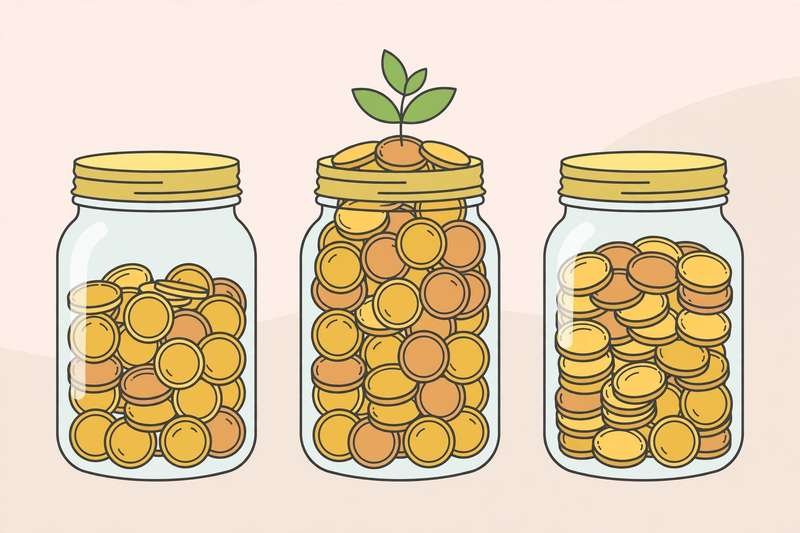
You can split your £20,000 across different types of ISA in any way you choose. For example, you could put £10,000 into a cash ISA and £10,000 into a stocks and shares ISA. Alternatively, you could put £4,000 into a Lifetime ISA, £8,000 into a cash ISA and £8,000 into a stocks and shares ISA. The only restriction is the total. It must not exceed £20,000 of new subscriptions in the tax year. Some ISA types have their own smaller limits inside the overall cap. A Lifetime ISA, for instance, accepts at most £4,000 per year. That £4,000 counts towards your £20,000 total. Junior ISAs sit completely outside this system, with their own £9,000 allowance.
What Counts Towards Your Allowance
Only new money you pay in counts towards the allowance. Interest, dividends and investment growth inside the ISA do not count. Transfers between ISAs also do not count, as long as you use the official transfer process. Moving £30,000 from one cash ISA to another does not use any allowance. However, withdrawing the money and paying it back in does count as a new subscription. Some ISAs are flexible, which means you can withdraw and replace money in the same tax year without using extra allowance. Not all providers offer this feature, so check before you rely on it.
The Main Types of ISA You Can Hold
There are several types of ISA, and you can hold more than one type at the same time. Each type suits a different goal. Below are the main options available to UK residents.
Cash ISA
A cash ISA works like a normal savings account, but the interest is tax-free. It suits money you may need in the short to medium term, such as an emergency fund. You must be 18 or over and a UK resident to open one. For 2026/27, you can pay up to £20,000 into cash ISAs. From April 2027, this drops to £12,000 per year for savers under 65. Existing balances are unaffected; the change only limits new subscriptions.
Stocks and Shares ISA
A stocks and shares ISA lets you invest in shares, funds and bonds without paying tax on growth or income. It suits long-term goals, usually five years or more. Your capital is at risk, and you may get back less than you put in. However, over long periods, investing has historically beaten cash savings. You can hold a stocks and shares ISA alongside a cash ISA. Many savers use both: cash for short-term security and investments for long-term growth.
Lifetime ISA
A Lifetime ISA helps you buy a first home or save for retirement. You can open one between the ages of 18 and 39. You can pay in up to £4,000 per year, and the government adds a 25% bonus. That means a £4,000 contribution becomes £5,000. You can use the money to buy your first home worth up to £450,000. You must have held the account for at least 12 months first. Alternatively, you can keep it until age 60. If you withdraw for any other reason, you pay a 25% charge. This wipes out the bonus and can eat into your own savings.
Junior ISA
A Junior ISA is for children under 18. Parents or guardians open and manage it, but the money belongs to the child. The child can take control at 16 and withdraw at 18. The allowance is £9,000 per tax year for 2026/27. This is entirely separate from the adult £20,000 allowance. Therefore, a family can shelter £20,000 per adult plus £9,000 per child each year. Junior ISAs come in cash and stocks and shares versions, just like adult ISAs.
Innovative Finance ISA
An Innovative Finance ISA lets you lend money through peer-to-peer platforms while sheltering the interest from tax. It is a niche product with higher risk than a cash ISA. Borrowers may default, and your capital is not protected like bank deposits. Nevertheless, it counts as one of the ISA types within your £20,000 allowance.
The Old One-ISA Rule and What Changed in April 2024
Before April 2024, the rules were stricter. You could only subscribe to one ISA of each type per tax year. For example, you could pay into one cash ISA and one stocks and shares ISA, but not two cash ISAs in the same year. The government scrapped this rule in April 2024. You can now open and pay into multiple ISAs of the same type in one tax year. You could, for instance, put £10,000 into a fixed-rate cash ISA and another £5,000 into an easy-access cash ISA. The total across all ISAs must still stay within £20,000. The 2024 reforms also improved transfers. You can now transfer part of your current-year subscriptions to another ISA. Previously, you had to transfer the whole amount. These changes give savers far more flexibility than before.
How Many ISAs Can I Have Open at the Same Time?
In practice, you can have any number open at once. Old ISAs from previous years stay open and keep their tax-free status. You do not need to close them when you open new ones. Consider two examples. Priya has three cash ISAs from earlier tax years and opens a fourth this year. She pays £6,000 into the new one. That is fine, because she has used only £6,000 of her £20,000 allowance. James opens two stocks and shares ISAs this year and pays £7,000 into one and £5,000 into the other. That is also fine. His total is £12,000, which is within the limit. The key is to track your own total subscriptions, as no single provider can see what you have paid elsewhere.
Transferring Money Between ISAs
Transfers let you move ISA money without losing its tax-free status. Always use the official transfer process. Your new provider handles the move: you fill in a transfer form and they contact your old provider. Never withdraw the money and pay it back in yourself. HMRC treats that as a brand-new subscription. It would count towards your £20,000 allowance and could breach it. Since April 2024, you can transfer part of your current-year subscriptions. You can also transfer between ISA types, for example from a stocks and shares ISA to a cash ISA. Cash ISA transfers usually take around 15 working days. Investment transfers can take longer. Until April 2027, moving money into a cash ISA remains fully allowed. After that date, under-65s will face the new £12,000 annual limit on cash ISA subscriptions.
Common ISA Mistakes to Avoid
ISA rules are generous, but small errors can cost you. Watch out for these common mistakes:
- Paying in more than £20,000. HMRC receives reports from all ISA providers. If you exceed the allowance, HMRC will contact you. The excess loses its tax-free status. You do not get fined, but you lose the benefit.
- Withdrawing instead of transferring. Taking money out and re-depositing it counts as a new subscription. Always use the formal transfer process between providers.
- Ignoring the Lifetime ISA withdrawal charge. Taking money out for any reason other than a first home, age 60 or terminal illness triggers a 25% charge. This can leave you with less than you paid in.
- Missing the tax-year deadline. Unused allowance disappears on 5 April. Set a reminder for March to check how much allowance you have left.
- Forgetting the 2027 cash ISA change. If you are under 65 and prefer cash savings, 2026/27 is the last year you can put the full £20,000 into cash ISAs.
- Assuming your partner’s allowance is shared. Each person has their own £20,000 allowance. A couple can shelter £40,000 per year between them, but you cannot use each other’s unused allowance.
Frequently Asked Questions
Can I have two cash ISAs in the same tax year?
Yes. Since April 2024, you can subscribe to multiple ISAs of the same type in one tax year. You could pay into two or even three cash ISAs. The combined total across all your ISAs must stay within the £20,000 annual allowance.
Does a Junior ISA count towards my £20,000 allowance?
No. Junior ISAs have a separate £9,000 annual allowance per child. Money you pay into your child’s Junior ISA does not reduce your own £20,000 allowance in any way.
Can my partner and I each use the full £20,000 allowance?
Yes. The allowance is per person, not per household. A couple can therefore shelter up to £40,000 per tax year across their ISAs. However, you cannot transfer unused allowance to your partner.
What happens if I accidentally pay in more than £20,000?
HMRC will spot the overpayment because providers report all subscriptions. The excess amount will be removed from the ISA wrapper and lose its tax-free status. You will not face a fine, but you should contact HMRC promptly to fix the error.
Can I open an ISA if I am 16 or 17?
You can open a cash ISA from age 16, and you can hold a Junior ISA until you turn 18. You must be 18 or over for a stocks and shares ISA, Lifetime ISA or Innovative Finance ISA. Once you turn 18, Junior ISA savings roll into an adult ISA automatically.
Do I need to open a new ISA every tax year?
No. You can keep paying into an existing ISA each year if the provider allows it. Some providers ask you to confirm you want to subscribe for the new tax year. You can also open a new ISA to chase a better rate while keeping old ones open.
Key Takeaways and Next Steps
To sum up, there is no limit on how many ISAs you can have. The £20,000 annual allowance is the number that matters. You can split it across cash, stocks and shares, Lifetime and Innovative Finance ISAs in any combination. Since 2024, you can even hold several of the same type in one year. Remember the key dates: use your allowance by 5 April, and note that the cash ISA limit drops to £12,000 for under-65s from April 2027. As a next step, add up what you have paid into ISAs since 6 April.
This article is for general information only and is not financial advice.