IMF Warns Pakistan Fiscal Position May Weaken
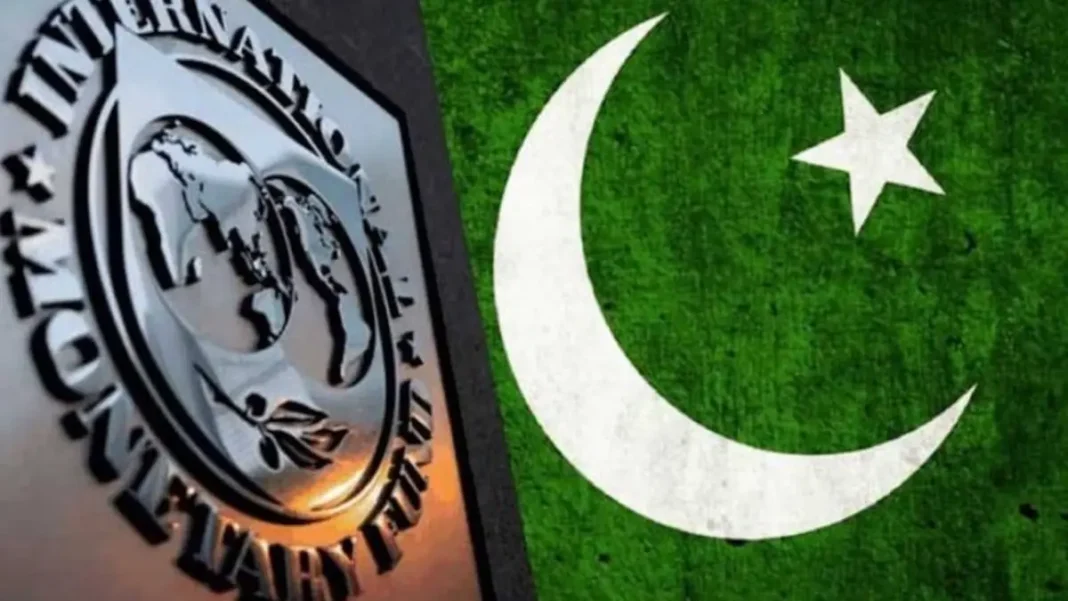
The International Monetary Fund has warned that the Pakistan fiscal position could weaken over the medium term as imports rise and remittances slow, its resident representative said on Thursday.
Dr Mahir Binici, the IMF Resident Representative, gave the warning in a keynote speech at the Pakistan Prosperity Forum in Islamabad. The Policy Research Institute of Market Economy (PRIME) organised the conference.
“To be candid on the medium-term outlook, we also project that the fiscal position over the medium term can weaken as imports rise and remittances moderate, so we have to continue building buffers,” Binici said.
No clear answer on another programme
Binici was asked whether Pakistan could avoid another IMF programme after the current $7 billion bailout package ends in less than a year. He did not give a clear answer.
Pakistan’s three-year Extended Fund Facility ends in September 2027, and debate has already started about a possible new programme.
Binici said Pakistan’s structure was driven by a saving-investment gap, so a current account deficit was natural and in line with fundamentals. The IMF’s assessment is that the deficit remains below 1 per cent of GDP over the medium term.
That assessment matches the Fund’s October regional outlook, which put the current account deficit at about 1 per cent of GDP, or around $4.5 billion, against official estimates of about $2.5 billion, and put gross financing needs at 22 to 25 per cent of GDP. It kept the growth forecast at 3.5 per cent, below the official target of 4 per cent, and the Fund reached a staff-level agreement in October for a $1 billion fifth loan tranche, subject to prior actions.
Pakistan fiscal position held back by structure, not cycles
Binici said Pakistan’s weak growth was structural, not cyclical. Economic policies had favoured incumbents, resources had been misallocated to the home market, and the tax base had been too narrow to fund investment in people and infrastructure.
“Stabilisation has been necessary but not sufficient, and there is a need for a certain push on structural growth to change the trajectory over the medium and longer term,” he said.
Low investment in physical and human capital has weakened productivity, he added. Exports have slipped to about 10 per cent of GDP, with many workers still in low-productivity agriculture.
Binici said Pakistan’s buffers were still moderate and gains could be reversed if discipline weakened. He listed the downside risks as conflict escalation, commodity price rises, tighter global financial conditions and trade disruptions.
To stay resilient, he said, Pakistan should stick with exchange rate flexibility, inflation-targeted monetary policy, energy price pass-through with targeted support, and fiscal prioritisation.
On tax, he said the priorities were better GST organisation, a broader tax base covering the non-income salaried class, retail and agriculture, and phasing out distortionary withholding and minimum taxes without losing revenue. The IMF has separately urged Pakistan to broaden its tax base to support growth, and investors have said they prefer Pakistan under an IMF programme.
Provinces, NFC and the reform debate
The speech came amid debate about the need for new provinces to improve social and economic indicators. Minister of State for Finance Bilal Azhar Kayani said the discussion about devolution was important, and that devolution had to be achieved one way or the other.
Minister of State for Finance Bilal Azhar Kayani said cash grants did not fix the long-term problem and the National Finance Commission formula needed serious review. He was referring to the Rs1.035 trillion the provinces have pledged this fiscal year for defence needs and large dams.
The forum heard the four provinces missed the IMF condition on tax collection but met the cash-surplus target.
Not everyone at the forum agreed with the Fund. Supply-side economist Rizwan Rawji called the IMF’s advice anti-growth. “The IMF has been peddling wrong advice, which is delivered with brutal diktat and is anti-growth,” he said.
Louie Dane, senior economic adviser at the British High Commission, said every country that sustained income growth above 7 per cent for 15 years also grew its economy by more than 10 per cent a year, and none did so without rising exports. Pakistan, he said, needed to streamline rules and listen to its exporters.
PRIME chief executive Ali Salman said Pakistan could grow faster by reforming the Planning Commission and the tax structure, harmonising business rules and abolishing the Economic Coordination Committee. “For these reforms we do not need foreign loans,” he said.
The State Bank governor has also stressed that more than buffers are needed for economic resilience, while the foreign exchange reserves rose to $21.587 billion in the week ending November 13. The government is also pushing to double small business financing to Rs2 trillion by 2028.
Frequently asked questions
What did the IMF warn about Pakistan?
IMF Resident Representative Dr Mahir Binici warned that Pakistan’s fiscal position could weaken over the medium term as imports rise and remittances moderate, and said the country must keep building buffers.
Will Pakistan need another IMF programme?
Binici did not give a clear answer. The current $7 billion Extended Fund Facility ends in September 2027, and debate has already started about a possible new programme.
What is Pakistan’s current account deficit?
The IMF puts it at about 1 per cent of GDP, or around $4.5 billion, over the medium term. That is higher than the government’s estimate of about $2.5 billion.
Why is Pakistan’s growth weak, according to the IMF?
Binici said the weakness is structural, not cyclical: a narrow tax base, low investment in people and infrastructure, misallocated resources and exports of only about 10 per cent of GDP.
What reforms did the IMF call for?
Better GST organisation, a broader tax base covering retail and agriculture, phasing out distortionary withholding and minimum taxes, exchange rate flexibility and energy price pass-through with targeted support.