NIH Advisories Issued on Flu, Smog and Vaccines
The NIH advisories issued on Saturday cover seasonal influenza for 2026-27, health risks from smog, and the control of vaccine-preventable diseases. The National Institute of Health’s Centre for Disease Control issued the nationwide guidance, asking federal and provincial health authorities to strengthen disease surveillance, immunisation and hospital preparedness.
NIH advisories warn of winter health risks
The NIH warned that falling temperatures and changing disease patterns could heighten respiratory and cardiovascular risks. It named measles, diphtheria, pertussis and tetanus as diseases that remain a public health concern.
Under the advisories, federal and provincial health departments, hospitals and laboratories must strengthen routine and catch-up immunisation to close vaccination gaps. The guidance also calls for early detection of suspected cases, timely laboratory confirmation, standardised clinical management and better hospital preparedness for a possible rise in patient numbers.
Health authorities have also been told to step up public awareness and risk communication, so that people take preventive steps against seasonal infections and smog-related illness. The NIH asked all relevant authorities and stakeholders to put the measures in place promptly, to limit winter health risks and protect public health.
What the three advisories cover
The first advisory covers the prevention and control of seasonal influenza for 2026-27. The second deals with health risks linked to smog and the precautions people and institutions should take. The third covers the control of vaccine-preventable diseases, including measles, diphtheria, pertussis and tetanus.
Each advisory is aimed at the same audience: federal and provincial health departments, hospitals and laboratories. The NIH wants routine immunisation strengthened first, so that gaps in vaccination do not turn into outbreaks when winter illness peaks. Catch-up immunisation matters for children and adults who missed doses earlier in the year.
Early detection is the second pillar. Suspected cases should be spotted fast, confirmed in a laboratory, and managed to a common standard. Hospitals should also prepare for more patients, so that a rise in winter cases does not catch wards unready.
The advisories do not set new rules for the public. They are instructions to the health system: departments, hospitals and laboratories must act on them, and the NIH wants the work done promptly rather than after cases rise. The guidance covers prevention and control together, so that immunisation gaps are closed before winter illness peaks.
Why the warning matters now
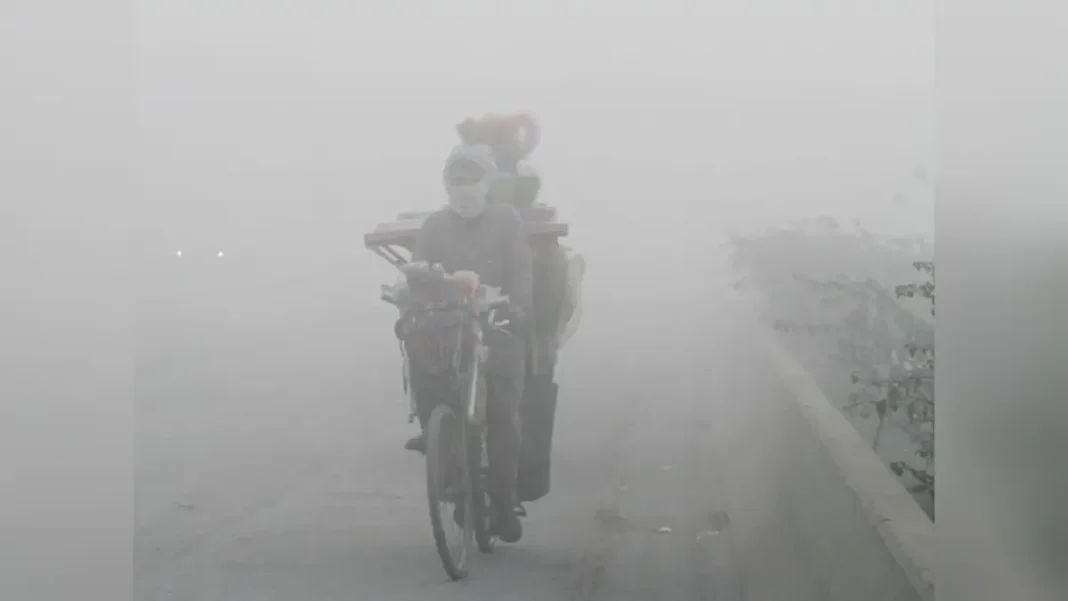
Winter is setting in across Pakistan, and smog has already thickened over Lahore in recent days. Lahore’s air quality index crossed 400 earlier this month, a level that puts people with breathing and heart conditions at risk.
The advisory is guidance, not enforcement. It is separate from the fake flu vaccine case, in which police seized suspected fake flu vaccines from a laboratory in Islamabad and suspects were later remanded by the Federal Investigation Agency. The NIH guidance covers genuine vaccines and routine immunisation, not the seized stock.
Other health worries have surfaced this year. Pakistan has faced a shortage of yellow fever vaccine, while misuse of antibiotics has been linked to deaths. The NIH advisories ask the health system to prepare before winter pressures peak, with immunisation, detection and hospital readiness as the three priorities.
Frequently asked questions
What did the NIH advisories cover?
Seasonal influenza for 2026-27, health risks from smog, and the control of vaccine-preventable diseases.
Which diseases did the NIH name?
Measles, diphtheria, pertussis and tetanus, which remain a public health concern.
What must hospitals and laboratories do?
Strengthen routine and catch-up immunisation, detect suspected cases early, confirm them in laboratories, manage cases to a common standard, and prepare hospitals for more patients.
Is this advisory linked to the fake flu vaccine raid?
No. The advisory is guidance on genuine vaccines and preparedness. The raid concerned suspected fake flu vaccines seized in Islamabad, a separate case.
Who issued the advisories?
The NIH’s Centre for Disease Control issued them on Saturday, 21 November 2026, for health authorities across the country.