Pakistan Multilateralism: Dar Rejects Bloc Politics
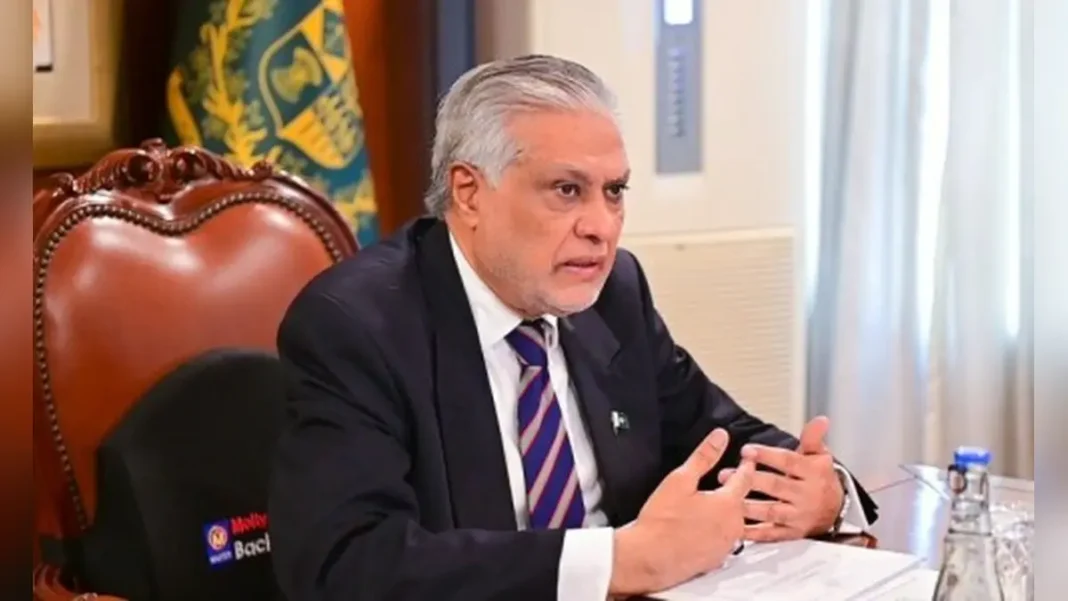
Deputy Prime Minister and Foreign Minister Ishaq Dar has said Pakistan multilateralism will guide the country’s independent foreign policy, warning that bloc politics and unilateralism will not work. He made the remarks in an interview with Euronews on Saturday, as Pakistan keeps pressing for dialogue in the stand-off between the United States and Iran.
“We believe in multilateralism,” Dar said, adding that even in the current environment, countries needed to work “double hard” to support it. “Bloc politics or unilateral politics will not work,” he added.
What Dar said about Pakistan multilateralism
Dar recalled a three-day United Nations Security Council meeting on multilateralism and the peaceful settlement of disputes, held during Pakistan’s presidency of the council. He said the theme of that meeting summed up Pakistan’s approach to world affairs.
He also spoke about Pakistan’s role in the stand-off between the United States and Iran. “Pakistan believes that diplomacy and dialogue are the only way forward, even amid the extreme conflicts taking place in various parts of the world,” he said.
“The more effort is put into dialogue and diplomacy, the more likely a solution will emerge,” he added.
Pakistan’s role in the US-Iran stand-off
Dar said Pakistan was the first country to condemn Israel’s attack on Iran on February 28. He said he had called his Iranian counterpart the following day and urged him to exercise restraint and refrain from retaliating.
He made clear that his message was not to target other Middle Eastern or Gulf countries, and he expressed regret that they were attacked afterwards. He said Iranian officials had told Pakistan they were targeting only American military bases and not those countries.
Dar also hailed the direct talks between the US and Iran that Islamabad hosted after 47 years. He said that even during the earlier round of indirect talks between the US and Iran in Oman, it had been agreed that Pakistan must be present if direct talks were held.
He hailed the June 18 signing of the Islamabad Memorandum of Understanding between the US and Iran, but regretted the violations that followed. “Pakistan hasn’t given up. We are still working hard. We continue to persuade both parties to respect and honour what they signed on June 18,” he said.
Why the remarks matter for Pakistan
The interview fits a pattern in Pakistan’s diplomacy this week. The Foreign Office said in its weekly briefing that Pakistan remains actively involved in mediation between Iran and the United States, and that the visit of Iranian Foreign Minister Abbas Araghchi to Islamabad included meetings with the country’s leadership. Read our report on the Foreign Office briefing.
Dar himself has been central to that outreach. This week he also spoke about Pakistan’s natural resources and the start of offshore oil and gas exploration with Turkiye, a project he linked to the country’s economic future. Read our report on the Oruc Reis exploration.
The regional stakes are high. Pakistan has condemned the recent attacks on Saudi Arabia, including the strike on the King Abdullah Financial District in Riyadh. Read our report on the Riyadh attack. The Foreign Office has also rejected Indian remarks about Pakistan’s mineral wealth at the United Nations. Read our report on the Foreign Office response.
Dar also raised the economic cost of conflict. He called for the free movement of vessels through all sea routes, calling it a must. He said disruptions to energy supply chains and rising prices were creating difficulties for people across countries, and he praised the government for providing fuel subsidies to low-income groups at home.
He said it was “high time” that regional peace was achieved through an agreed mechanism. “We all have to see the new security architecture,” he added.
The interview, reported by Dawn, underlines how Pakistan is trying to keep a middle course: close to its partners in the Gulf, engaged with Iran, and in contact with Washington, while arguing that only talks can end the cycle of strikes.
Frequently asked questions
What did Ishaq Dar say about multilateralism?
Dar said Pakistan believes in multilateralism and that countries need to work “double hard” to support it. He said bloc politics and unilateralism will not work.
What is Pakistan’s role in the US-Iran talks?
Pakistan hosted direct talks between the US and Iran in Islamabad after 47 years, and Dar said it had been agreed during earlier indirect talks in Oman that Pakistan must be present if direct talks were held.
What is the Islamabad Memorandum of Understanding?
It is an understanding signed on June 18 between the US and Iran in Islamabad. Dar said Pakistan is still working to persuade both sides to respect and honour what they signed.
Why did Dar mention Israel’s February 28 attack on Iran?
Dar said Pakistan was the first country to condemn the attack. He said he called his Iranian counterpart the next day and urged restraint, and that Iran told Pakistan it was targeting only American military bases.
What did Dar say about sea routes and energy?
He called for the free movement of vessels through all sea routes and said disruptions to energy supply chains and rising prices were hurting people across countries.