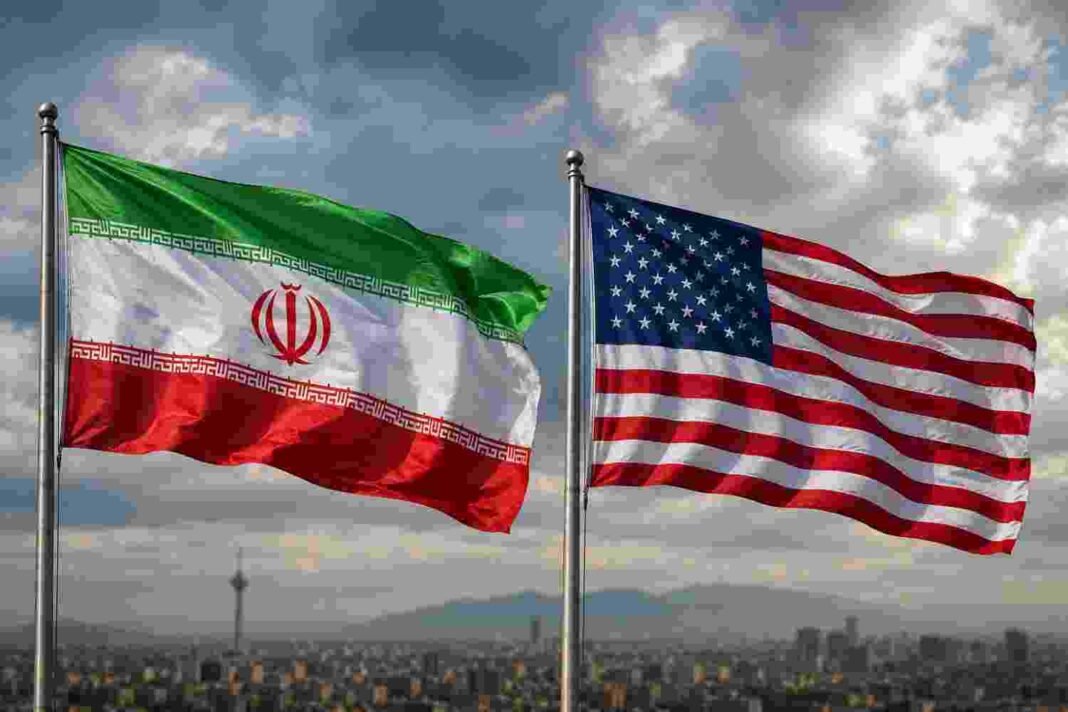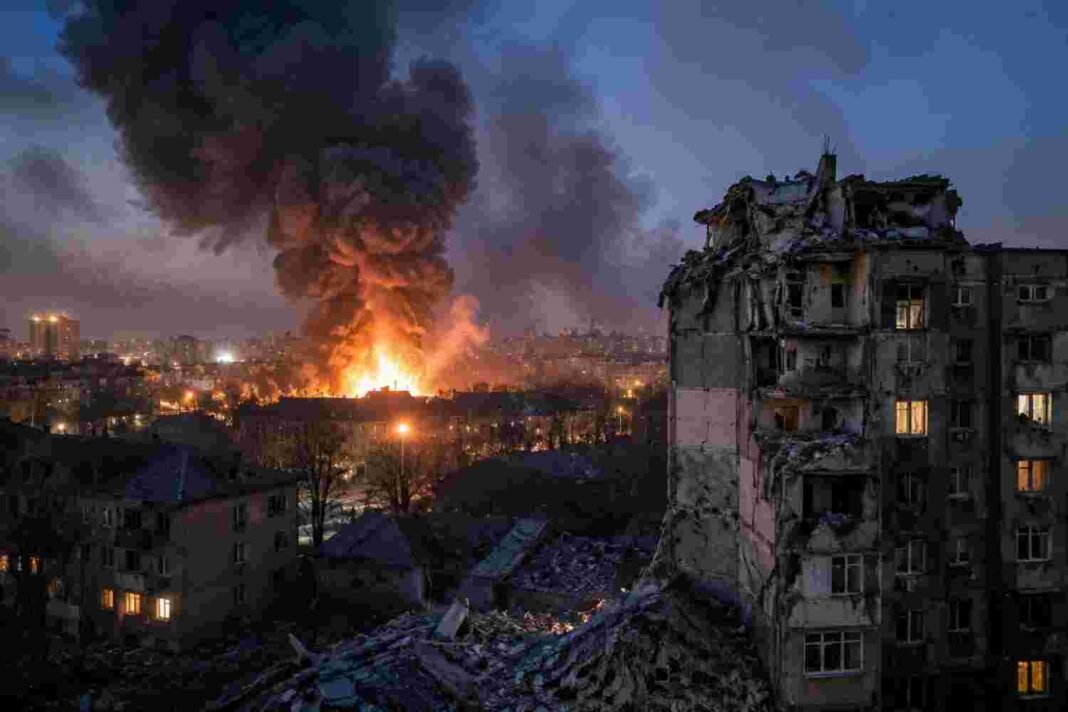
The six-month conflict between the United States and Iran has started to leave a deeper mark on Iran’s economy. Businesses now face serious disruption, while Iran Job Losses have become a growing concern in the southern parts of the country.
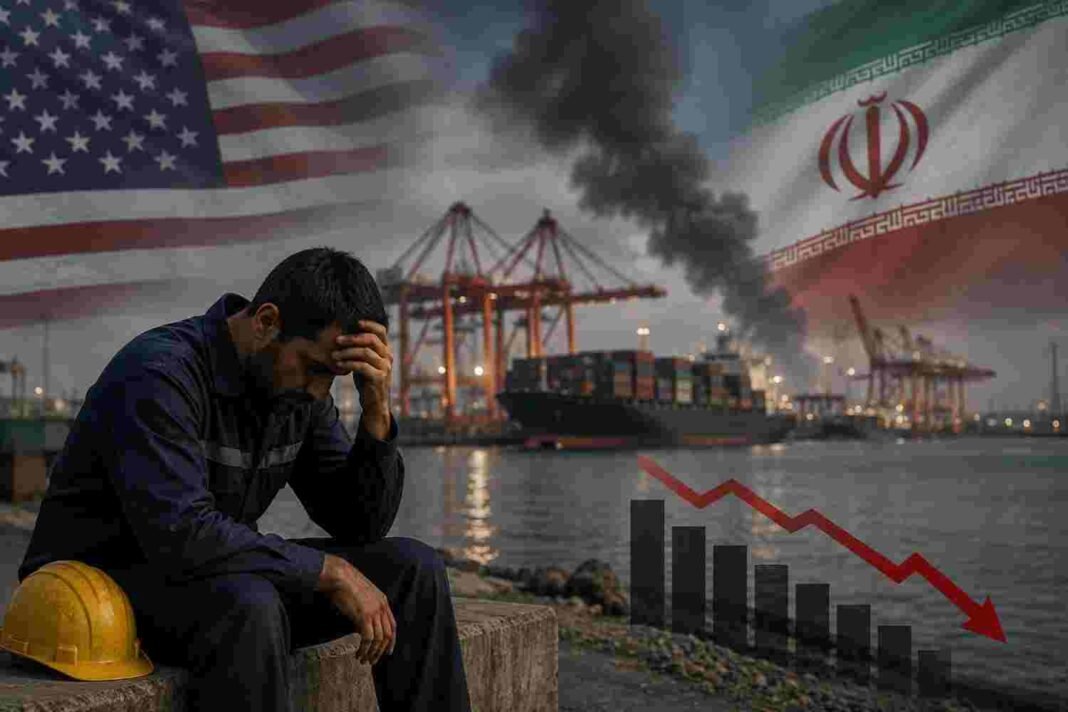
Reports from Tehran indicate that around 20,000 workers have lost employment in Hormozgan province. The region plays an important role in Iran’s trade, shipping, and port-related economic activities.
Moreover, the conflict has created major difficulties for companies that depend on ports and international shipping. Lower business activity has pushed many employers to reduce staff numbers and shorten working schedules.
As a result, thousands of families now face financial uncertainty as employment opportunities decline. Iran Job Losses have particularly affected workers connected with ports, transportation, hotels, and other businesses that depend on regular commercial activity.
Hormozgan sits along one of Iran’s most strategically important coastal areas. Bandar Abbas and the province’s major port facilities connect the country to regional and international trade routes.
However, continuing tensions have disrupted normal commercial operations across parts of the region. Companies now face higher risks, weaker demand, and uncertainty about future shipping activity.
Consequently, some employers have introduced shorter working schedules instead of maintaining normal monthly operations. Reports indicate that certain companies now allow employees to work only around 10 days each month.
This reduction has placed additional financial pressure on workers who still have jobs. At the same time, job losses continue to affect people whose employers can no longer maintain their previous workforce levels.
Businesses operating near Rajaee Port have also reduced staff. The port serves as an important commercial hub and handles a significant amount of Iran’s maritime trade.
Therefore, any decline in port activity can quickly affect transportation firms, logistics companies and other businesses. Workers who rely on these industries may also face lower incomes or fewer job opportunities.
The hospitality industry has also started to feel the economic impact of the conflict. A five-star hotel in Bandar Abbas reportedly dismissed its entire workforce after remaining closed for around four months.
The closure highlights how economic disruption can spread beyond shipping and industrial operations. Hotels, restaurants, transportation providers and local shops often depend on visitors, business travelers and commercial activity.
Meanwhile, Iran Job Losses could increase pressure on household spending across affected communities. Lower-income families usually cut spending on goods and services, which can create further challenges for local businesses.
The Strait of Hormuz remains another major concern for Iran and international markets. The strategic waterway carries significant maritime traffic and plays a crucial role in global energy transportation.
However, the conflict has disrupted shipping activity around the waterway. Companies that operate ships or transport goods through the region must now consider greater security risks and operational uncertainty.
Furthermore, shipping disruptions can directly affect businesses in coastal areas. Reduced cargo movement means less work for port employees, truck drivers, warehouse operators, and companies that provide ship services.
For this reason, job losses in Iran could remain closely connected with developments in maritime trade. Any prolonged decline in shipping activity may create additional difficulties for workers across Hormozgan.
The economic consequences also extend beyond workers who directly lose their jobs. Employees on shorter schedules may see a major drop in monthly earnings even if companies continue to employ them.
As household incomes fall, consumers may spend less in local markets. Consequently, smaller businesses could experience weaker sales and struggle to cover wages and other operating expenses.
Iran already faces several economic challenges, while prolonged regional tensions could add further pressure. Businesses need predictable trade conditions, reliable transportation networks, and stable demand to maintain employment.
Therefore, continued uncertainty could make companies more cautious about hiring new workers. Employers may also delay investments or expansion plans until they see greater stability in the economic environment.
At the same time, Iran Job Losses illustrate how military and geopolitical tensions can quickly affect ordinary workers. Families far from direct military activity can still experience serious financial consequences through reduced trade and weaker business activity.
Hormozgan faces particular exposure because its economy depends heavily on maritime commerce. Disruptions around ports can affect several industries at once and trigger a chain reaction in local employment.
Moreover, the situation around Bandar Abbas demonstrates the wider economic risks of prolonged conflict. Businesses that cannot maintain regular operations may continue to cut working hours, reduce staff, or temporarily close their facilities.
The coming months could prove important for workers and businesses across the province. Any improvement in shipping and commercial activity could help companies restore operations and protect remaining jobs.
However, continued tensions could deepen Iran’s job losses and place additional pressure on the wider economy. Companies may struggle to maintain payrolls if trade activity remains weak for an extended period.
Ultimately, the reported loss of around 20,000 jobs in Hormozgan shows the growing economic cost of the US-Iran conflict. Workers, businesses and local communities now face consequences that extend well beyond the immediate security situation.
Iran’s employment outlook will depend heavily on future developments in trade, shipping and regional stability. Until commercial activity improves, Iran Job Losses could remain a major challenge for communities that depend on the country’s southern ports.