

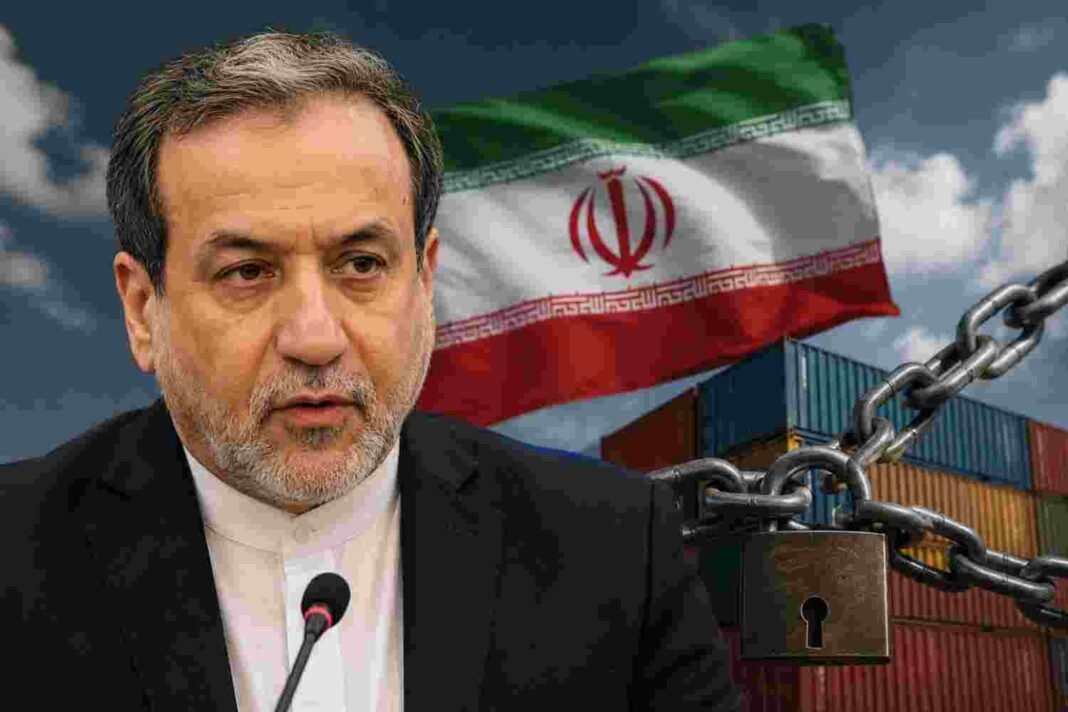
Tehran: Iranian Foreign Minister Abbas Araghchi has claimed that the toughest Iran sanctions have failed to achieve their objectives. He argued that years of economic and political pressure could not force Tehran to surrender.
According to foreign media reports, Araghchi reviewed several pressure campaigns that Iran has faced over the years. He said the international community imposed what he described as historically destructive restrictions on Tehran around 14 years ago.
However, Araghchi argued that those measures failed to produce the intended outcome. He also pointed to Washington’s maximum pressure strategy as another example of an unsuccessful approach toward Tehran.
Moreover, the Iranian foreign minister said the maximum pressure campaign started about eight years ago but failed to force Iran into submission. He claimed that Tehran continued resisting despite growing economic challenges.
Araghchi also referred to demands made against Iran around five months ago. According to him, calls for unconditional surrender produced no results and failed to change Tehran’s position.
Meanwhile, he said Iran now faces another major economic pressure campaign. However, he predicted that the latest effort would eventually meet the same fate as previous Iran sanctions.
Araghchi argued that Iran had already experienced similar pressure strategies several times. Therefore, he dismissed the latest campaign as an old approach presented by different political actors.
Furthermore, the foreign minister expressed confidence in Iran’s ability to withstand economic pressure. He maintained that previous attempts had already demonstrated the limits of using sanctions to change Tehran’s policies.
At the same time, Iranian President Masoud Pezeshkian commented on the latest political and security situation. He said international observers increasingly recognize what he described as Iran’s victory.
Therefore, Pezeshkian argued that ending the war now represents the best available course of action. He made the remarks while speaking during a meeting with doctors.
Pezeshkian also discussed the outcome of recent negotiations. He described the results as a significant achievement and said Iran’s Supreme National Security Council supported the outcome.
Additionally, the Iranian president rejected suggestions that Tehran had stepped back from its position. He argued that the agreement contained no provision showing an Iranian retreat.
Instead, Pezeshkian placed responsibility for future commitments on the other side. He said Iran should remain careful while continuing to respect agreements and diplomatic commitments.
Moreover, Pezeshkian cited advice attributed to Imam Ali (AS) on making peace with an enemy. He said leaders should not reject an offer of peace but must remain cautious when dealing with an opponent.
The Iranian president also stressed the importance of honoring commitments. According to him, maintaining agreements and acting responsibly remain essential during periods of political and military tension.
Meanwhile, Pezeshkian claimed that Iran currently holds a strong position internationally. He also argued that Washington faces growing criticism and hostility worldwide.
The comments come as economic pressure continues to play a central role in relations between Tehran and Washington. For years, Iran sanctions have targeted different sectors of the Iranian economy and intensified financial pressure on the country.
However, Iranian leaders continue to argue that such measures cannot force Tehran to abandon its core policies. Araghchi’s latest remarks reinforce that position and signal continued resistance to economic pressure.
Furthermore, Pezeshkian criticized Iranians living abroad who encourage foreign powers to attack their country. He described calls for military action against Iran from outside its borders as shameful.
In contrast, he praised people who remained determined during months of political and security tensions. According to Pezeshkian, their resilience helped Iran counter what he described as attempts to destabilize the country.
He also praised citizens who stayed away from street protests but refused to support Iran’s opponents. Consequently, he called for greater national unity as the country faces continuing challenges.
Pezeshkian expressed hope that Iranians could strengthen solidarity in the coming months. He argued that greater unity would help the government deal with economic, political, and security pressures.
Meanwhile, the president acknowledged that his government still faces serious domestic problems. However, he said officials continue working to address those challenges despite difficult circumstances.
Pezeshkian also admitted that shortcomings exist within the government. Nevertheless, he said greater coordination, consensus, and cooperation could help Iran move forward.
For now, Tehran continues to reject economic pressure as an effective strategy for changing its policies. Araghchi maintains that previous sanctions on Iran failed and predicts the latest economic campaign will produce a similar result.
His remarks also underline Tehran’s broader message that diplomatic engagement offers a better path than escalating economic pressure. Meanwhile, Iranian leaders continue to present national unity and resistance as key elements of their response to external pressure.