


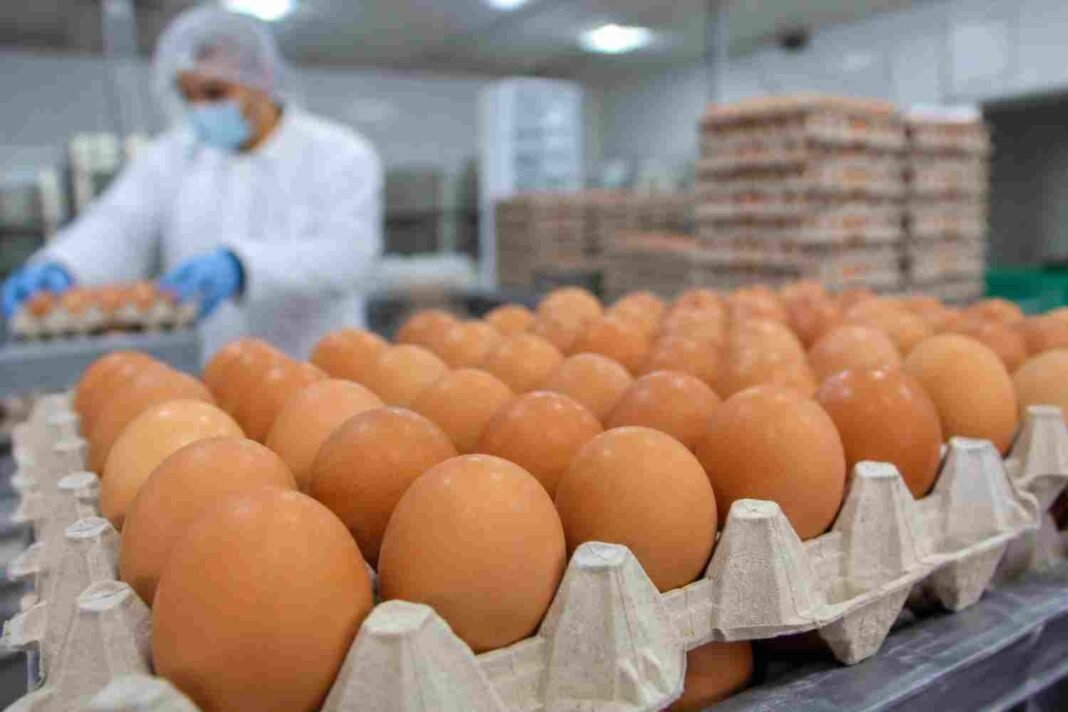
Belgium has launched a major food safety response after a Salmonella outbreak affected at least 306 people. The Belgium Egg Recall now covers around two million potentially contaminated eggs sold across Belgium and neighboring Luxembourg.
Health authorities linked the outbreak to eggs that came from a poultry farm in Flanders. Moreover, officials described the number of reported infections as unusually high compared with previous salmonella outbreaks in the country.
Salmonella infections occur regularly in Belgium, but authorities rarely record outbreaks of this size. However, officials have reported no deaths linked to the latest outbreak so far.
Food safety officials first discovered signs of contamination in May. Authorities then ordered an initial recall and closed one poultry house at the farm while they investigated the source.
However, more infections later emerged, raising concerns about the outbreak’s scale. As a result, officials shut down the entire farm and expanded their efforts to remove potentially unsafe eggs from stores.
Authorities issued another recall on August 10 as the investigation continued. In addition, officials culled all chickens at the affected farm to reduce the risk of further contamination.
The Belgium Egg Recall affects about two million eggs that may contain Salmonella bacteria. Authorities said suppliers had already distributed the eggs across Belgium and Luxembourg before officials identified the full extent of the problem.
Luxembourg also responded after learning that potentially contaminated eggs had entered its market. Consequently, authorities there announced a recall and urged consumers to check eggs they had already purchased.
Meanwhile, Belgian food safety officials continue to monitor the outbreak and trace potentially affected products. Their investigation aims to identify contaminated supplies and limit further infections.
The Belgium Egg Recall has also increased public attention around egg handling and preparation. Health experts advise consumers to cook eggs thoroughly because sufficient heat can reduce the risk of salmonella infection.
Salmonella refers to a group of bacteria that commonly cause foodborne illness. The bacteria can enter the human body through contaminated foods, including eggs, poultry, and other products.
People who develop salmonellosis often experience diarrhea, stomach cramps, and fever. Additionally, some patients may experience vomiting and other digestive problems after consuming contaminated food.
Symptoms often begin between 12 and 72 hours after exposure to Salmonella bacteria. However, illness severity can vary depending on a person’s age, health, and level of exposure.
Most people recover from Salmonella infection, but severe cases can require medical care. Therefore, health authorities advise anyone who develops serious or persistent symptoms to contact a healthcare professional.
The Belgium Egg Recall shows how quickly contaminated food can reach many consumers through modern supply chains. Furthermore, distributing affected products across national borders can make recalls more complex for food safety agencies.
Authorities have urged consumers to avoid eating eggs included in the recall. Instead, shoppers should follow official food safety instructions and check product information before using eggs that may come from affected supplies.
Parents, older adults and people with weaker immune systems should take particular care because foodborne infections can cause more serious complications in vulnerable individuals. Likewise, careful food preparation can help families lower their exposure risk.
The outbreak has also highlighted the importance of strict hygiene at poultry farms. Therefore, regular testing, clean production environments, and rapid action after detecting contamination can help prevent bacteria from spreading through the food supply.
The Belgium Egg Recall may also encourage retailers and suppliers to strengthen their product-tracing systems. Effective tracking lets businesses and regulators quickly locate potentially contaminated products when authorities identify a safety problem.
Meanwhile, consumers can reduce everyday risks by storing eggs correctly and keeping raw eggs away from ready-to-eat foods. They should also wash utensils and surfaces that come into contact with raw egg products.
Belgian authorities continue to assess the outbreak as they work to prevent additional infections. At the same time, Luxembourg officials continue their recall measures because some potentially affected eggs reached consumers there.
The Belgium Egg Recall remains an important food safety issue as authorities investigate the salmonella outbreak. With at least 306 infections and around two million potentially contaminated eggs involved, officials continue to urge consumers to follow recall instructions and take food safety precautions.