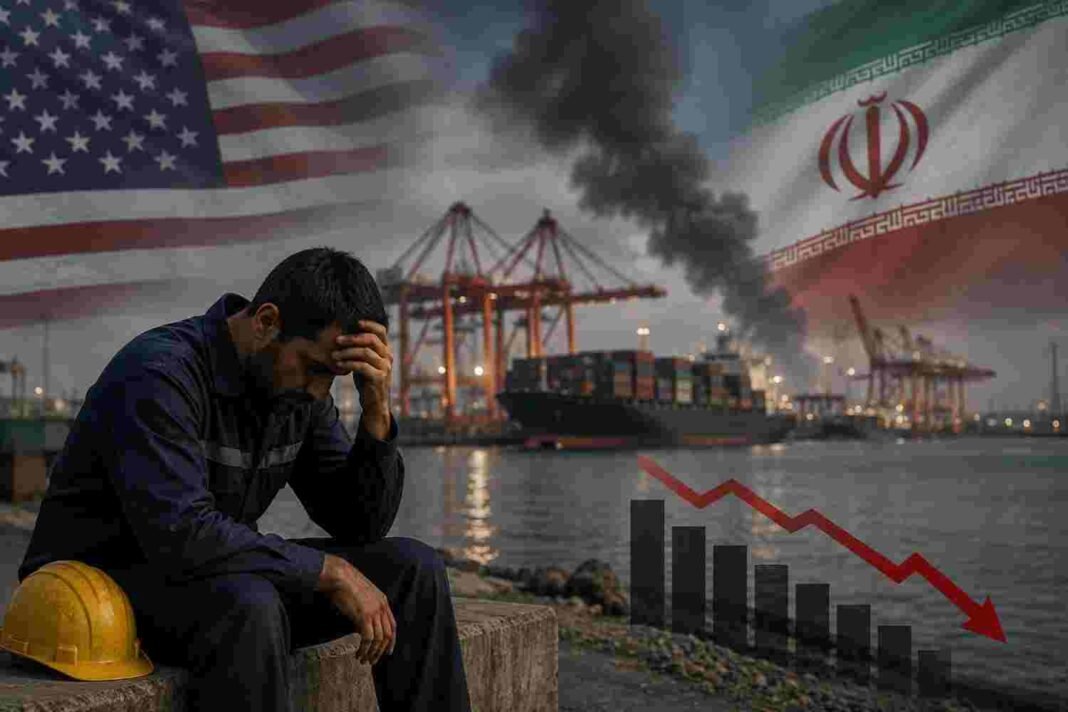
TEHRAN: Iran has demanded US Compensation for economic and humanitarian losses that it says resulted from Washington’s unilateral sanctions. Iranian Foreign Minister Abbas Araghchi said the United States must take responsibility and provide full financial remedies.
Araghchi presented Iran’s position in a message to the United Nations and the UN Security Council. Moreover, he described Washington’s sanctions policy as a campaign of economic pressure that violates international law.
According to Iranian state broadcaster IRIB, Araghchi said Tehran reserves the right to pursue every available legal channel. He added that Iran would seek accountability for actions that it considers unlawful and harmful to its population.
The foreign minister argued that Washington carries international responsibility for both material and moral damage. Therefore, Iran wants US Compensation to include financial reparations as well as measures aimed at restoring conditions affected by sanctions.
Araghchi also raised the possibility of individual accountability under international law. However, he said relevant legal requirements would need to establish responsibility for specific actions and their consequences.
Meanwhile, Iran urged UN Security Council members to oppose unilateral coercive measures and secondary sanctions. Tehran argues that such restrictions pressure sovereign countries to change legitimate trade and economic relationships.
Araghchi also called on other governments to protect their independent economic decisions. He also urged countries not to support measures that link their sovereign rights to policies Washington determines unilaterally.
Iran specifically asked the United States to end economic threats against third countries and their citizens. According to Tehran, these measures can pressure businesses and governments to reduce legitimate commercial relations with Iran.
The demand for US Compensation also includes concerns about the humanitarian effects of economic restrictions. Araghchi asked UN Secretary-General António Guterres to examine how sanctions affect ordinary Iranian citizens.
He specifically highlighted access to food, medicines, healthcare services, energy and transportation. He also called for an assessment of possible effects on humanitarian assistance reaching people inside Iran.
Araghchi also wants international bodies to preserve relevant evidence for future accountability. Therefore, he called for an independent examination and documentation of information related to the impact of sanctions.
At the same time, tensions between Tehran and Washington continue over economic restrictions. The Trump administration has launched a broader sanctions campaign known as “Operation Economic Outcast” to increase financial pressure on Iran.
The campaign aims further to restrict Iran’s access to the global financial system. Consequently, Tehran has increased its diplomatic efforts to challenge Washington’s sanctions through international institutions.
Iran maintains that unilateral sanctions harm more than government finances and international trade. Officials argue that economic restrictions can also affect businesses, public services and the daily lives of ordinary citizens.
However, Washington has long used economic sanctions as a major tool to pressure Tehran over security and foreign policy disputes. The latest Iranian statement signals that the economic confrontation could increasingly move toward diplomatic and legal forums.
Ultimately, Tehran says US Compensation must cover the losses that Iran attributes to unilateral American measures. Araghchi also urged international institutions to examine the wider consequences and ensure accountability under international law.