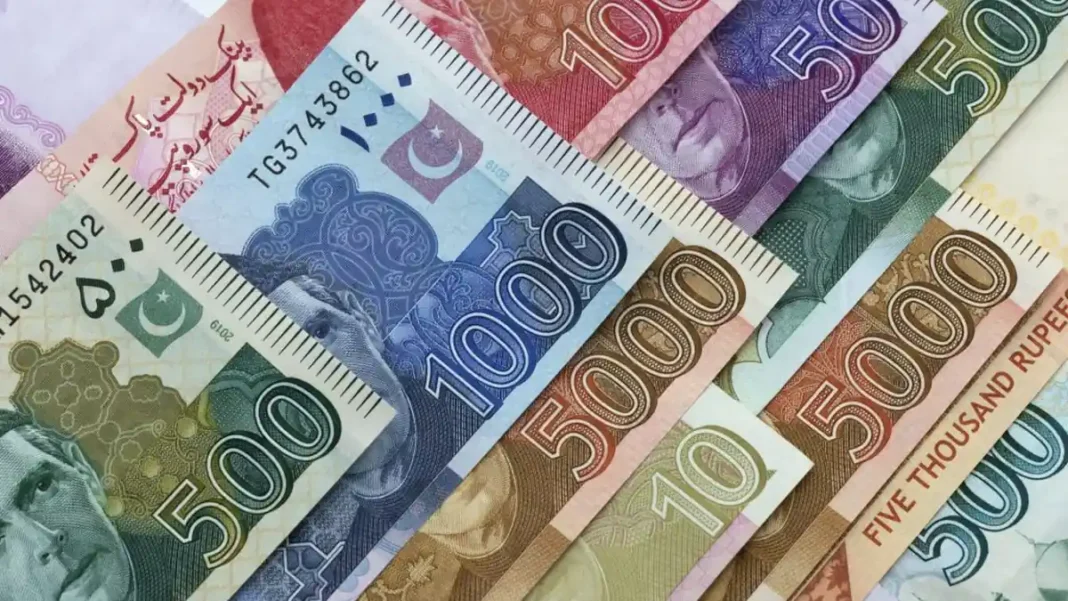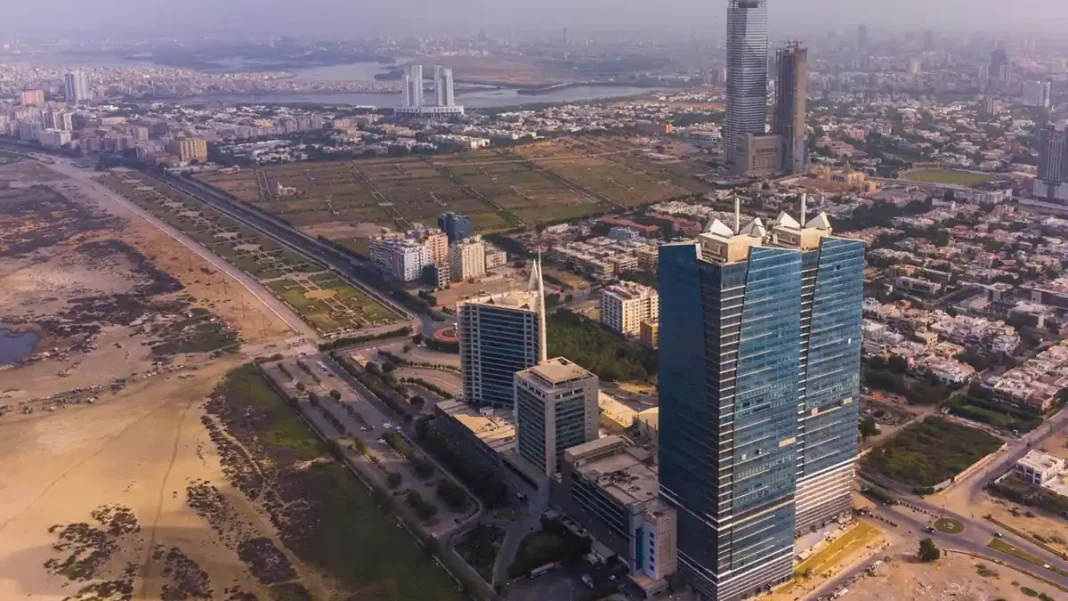
Ask “is Pakistan a rich country?” and you’ll get passionate answers on both sides — gleaming Karachi towers on one hand, poverty statistics on the other. Strip away the emotion and the economics give a clear answer. Here’s the honest case, with 2026 data.
Quick answer: No. By every standard economic measure — GDP per capita (~$1,600–1,900, among the world’s lowest 30), human development (168th), poverty (~44.7% below the national line) — Pakistan is not a rich country. It is a large developing economy: top-45 in GDP size, bottom-30 in income per person.
In this guide
The Three Tests of “Rich”
Economists don’t judge national wealth by skylines. They use three tests:
- Income per person — GDP per capita. Pakistan: ~$1,600–1,900 (2026 est.). Verdict: not rich.
- Human development — the UN’s HDI (income, schooling, life expectancy). Pakistan: 0.544, rank 168th, “low” category. Verdict: not rich.
- Poverty depth — share of people below the poverty line. Pakistan: ~44.7% national, 16.4% extreme (2026 est.). Verdict: not rich.
Pakistan fails all three. That’s the answer — but the nuances matter, because the “rich” camp isn’t hallucinating.
The Strongest Case for “Rich”
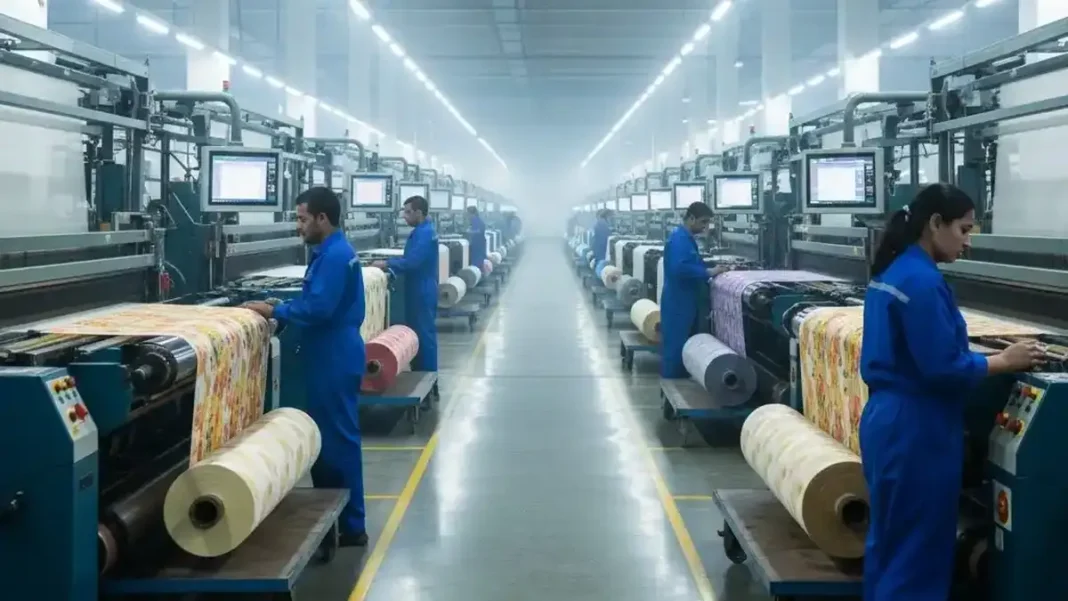
Pakistan’s economy is big: ~$430 billion nominal (top 45), ~$2.17 trillion PPP (top 20). It’s the world’s 5th most populous country — a domestic market most nations would envy. It has real industrial depth: textiles and apparel exporting worldwide, a large agriculture base, and one of the planet’s biggest freelance/IT-services workforces. The diaspora sends home billions in remittances annually. It is a nuclear-armed state with a large military and genuine geopolitical weight. None of this is “poor country” stuff — it’s the profile of a significant middle power.
The Stronger Case Against
But bigness isn’t richness. $1,700 per person per year is the lived reality for the average Pakistani — and the median is lower. Nearly half the population sits below the national poverty line. Unemployment is 6.9%, youth unemployment 12.6%, and 88% of employment is informal — no contracts, no safety nets. The state runs chronic fiscal deficits, carries heavy debt, and has needed repeated IMF programmes. Energy shortages and a narrow tax base are structural, not cyclical. A country can be large, strategically important — and still not rich. Pakistan is exactly that.
How Pakistan Compares to Neighbours
- India: GDP per capita ~$2,800–3,000 — roughly double Pakistan’s; also classified developing, but further up the ladder.
- Bangladesh: has overtaken Pakistan in per-capita income in recent years — the sharpest regional comparison.
- China: ~$14,800 per capita — an order of magnitude ahead.
The regional picture confirms the verdict: Pakistan is the poorest of the large South Asian economies per person. For the technical classification behind this, see is Pakistan a developing country? — and for why “poor” alone is also wrong, rich or poor?
Frequently asked questions
Is Pakistan a rich or poor country?
Neither label fits alone: it’s a large developing economy — top-45 in GDP size but bottom-30 in income per person, with significant poverty. See our full rich-or-poor explainer.
Why is Pakistan not a rich country despite its size?
Population. ~$430 billion divided by 257 million people is ~$1,700 each. Size impresses; per-capita reveals.
Is Pakistan richer than Bangladesh?
Not per person — Bangladesh has overtaken Pakistan in GDP per capita in recent years.