ICC Keeps Saliva Ban Despite Shubman Gill Call to Lift It
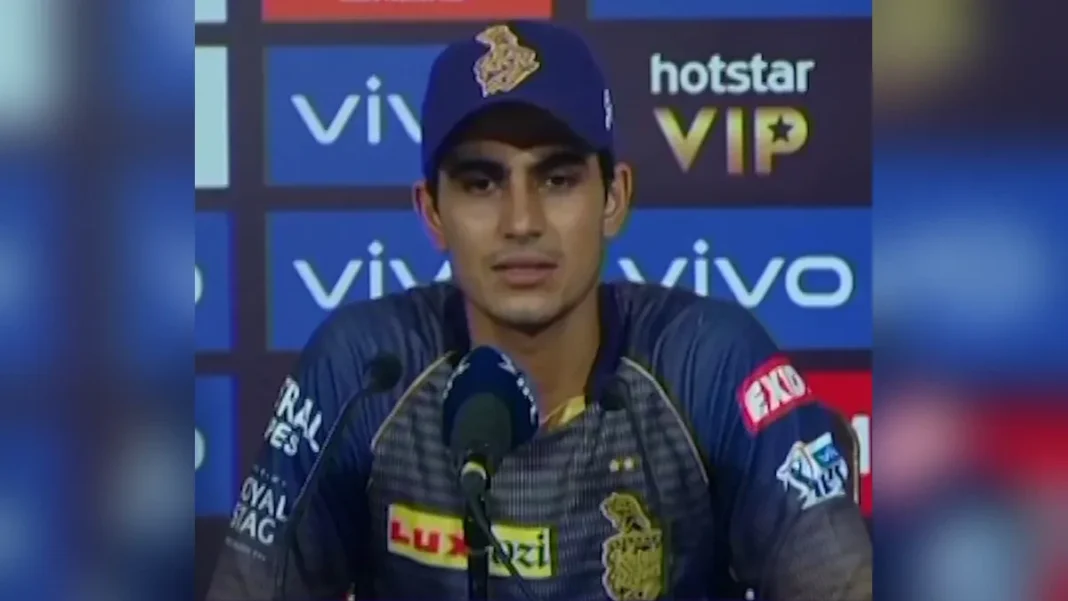
The International Cricket Council has no plans to reverse the ban on applying saliva to shine the ball, despite India skipper Shubman Gill’s call to allow the practice again. The ICC saliva ban will stay in place for international cricket, with the governing body treating it the same way as any other unfair method of changing the ball’s condition.
Gill on Monday said the ban should be revoked to help bowlers get reverse swing, after India’s high-scoring opening Test in Wellington against New Zealand ended in a draw. The tourists had declared their first innings on a mammoth 720 for nine midway through the fourth day, but New Zealand survived 120 overs to finish on 239 for five at the close.
However, the ICC has no immediate plans to relax the rule. Saliva can materially alter the ball when mixed with sweets, chewing gum and mints, and the practice is incredibly hard to monitor and regulate. That difficulty in policing it is the main reason the ban is staying.
Why the ICC saliva ban was brought in
The ICC temporarily barred the practice of applying saliva as a precautionary measure during the pandemic in 2020. Two years later, it made the ban permanent.
The use of saliva to shine one side of the old ball and keep the other rough helps fast bowlers get the leather ball to swing late. Shining one side while leaving the other side rough creates the imbalance in the air that produces reverse swing, one of the hardest skills in the game to master and one of the most valuable weapons for a fast bowler with an old ball.
Gill was blunt about his view after the draw in Wellington. “I don’t understand why we haven’t been allowed to shine the ball yet, we are way past Covid times,” he said.
“There was a rule that you can’t put saliva on the ball to make it shine. It’s been seven-eight years and I still don’t understand why they are not allowing it. I think this is also a big factor in bowlers struggling to get wickets.”
Gill urged the ICC to rethink the ban after the draw, and the Wellington Test ended with New Zealand saving the match after batting out the final day.
The IPL went the other way
The Indian Premier League lifted its saliva ban last year, much to the bowlers’ delight, but the ICC finds no reason to relax it in international matches. The difference between the two competitions is now clear: a bowler in the IPL may shine the ball with saliva, while a bowler in a Test, one-day international or T20 international may not.
The ICC’s position rests on fairness and enforcement. Once saliva is mixed with a sweet or chewing gum, it can change the condition of the ball in ways that are hard to detect. Umpires cannot watch every player at every moment, and a rule that cannot be monitored invites quiet breaches. The governing body would rather keep the ban than police a practice it cannot see.
India and New Zealand now head to Christchurch for the second and deciding Test starting Friday, where both captains expect a more typical green, grassy and seamer-friendly wicket. The conditions there may give the bowlers the help they lacked in Wellington, with or without saliva.
Test cricket has seen its share of high scores this season. Bangladesh were bowled out for 91 in the Centurion Test, a reminder that pitches, not only the ball, decide how hard batting is. Litton Das has returned as Bangladesh name their ODI squad for the series against South Africa, as the international calendar moves on from the Wellington debate.
For now, Gill’s call has been heard and set aside. The ban stays, the ball stays as it is, and the bowlers will have to find their swing another way.
Frequently asked questions
Will the ICC lift the saliva ban?
No. The ICC has no immediate plans to relax the rule and treats saliva use the same way as any other unfair method of changing the ball’s condition.
Why did Shubman Gill want the ban lifted?
Gill said bowlers were struggling to take wickets and that the ban, brought in during Covid, no longer made sense years after the pandemic.
When was saliva banned in cricket?
The ICC temporarily barred the practice in 2020 during the pandemic and made the ban permanent two years later, in 2022.
Why is saliva hard to police?
Saliva can materially alter the ball when mixed with sweets, chewing gum and mints, and umpires cannot monitor every player closely enough to catch it.
Does the IPL still ban saliva?
No. The Indian Premier League lifted its saliva ban last year, but the ICC has not followed suit for international matches.