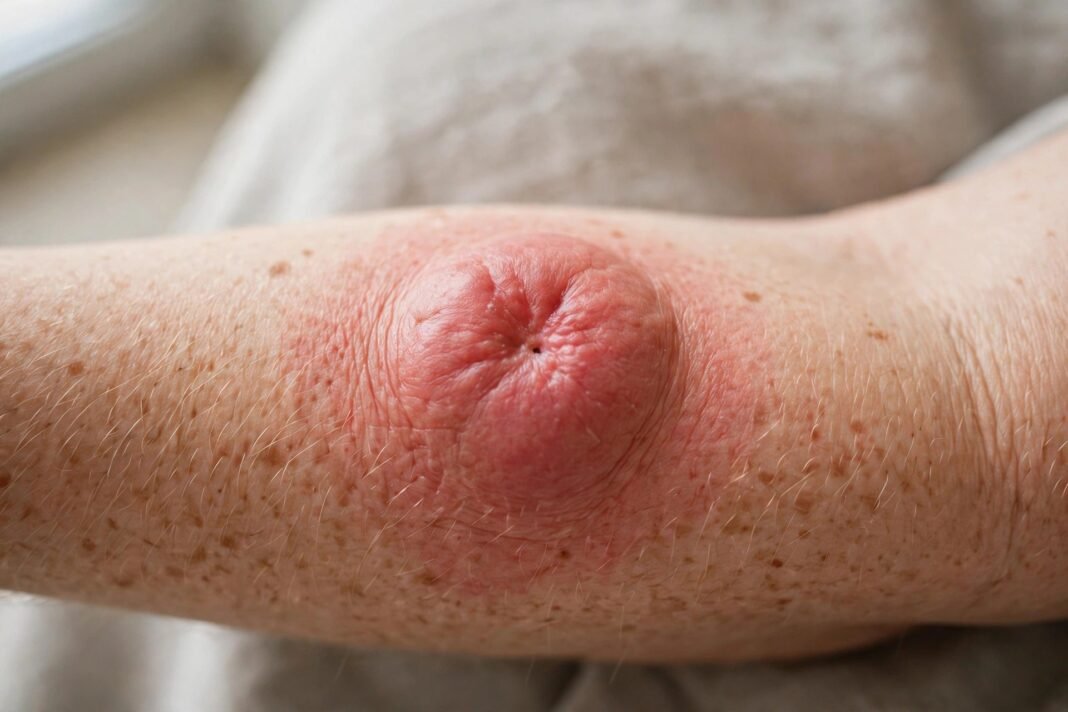
You know the sound. A high whine near your ear in the dark, then a sting on your ankle. By morning, you are covered in itchy bites, and the night feels ruined. Most bites itch for a few days, but some swell up far more than usual. That kind of reaction may be skeeter syndrome, an allergic reaction to mosquito saliva. Mosquitoes also spread illness in many parts of the world, so keeping them away matters. So what is the best way to prevent mosquitoes? The honest answer is that no single method does it all. Sprays, coils, nets and electrical gadgets each have strengths and weak points. This guide compares them side by side, so you can pick the mix that fits your home.
Sprays and Lotions: The Best Way to Prevent Mosquitoes Outdoors
Repellent sprays and lotions are the best way to prevent mosquitoes outdoors. You put them on your skin, and they make you hard for mosquitoes to find. The active ingredients with the strongest evidence are DEET, picaridin, IR3535, oil of lemon eucalyptus, para-menthane-diol and 2-undecanone. Health agencies advise choosing a product that is registered with the environmental regulator, because unregistered products have not been tested in the same way.
A higher amount of active ingredient gives longer protection, not stronger protection. So check the label and reapply as directed. If you also use sunscreen, put the sunscreen on first and the repellent on top.
What works: it protects you anywhere, needs no power, and works at once. You can also treat clothing, which helps when you spend long hours outside.
What does not: it wears off and needs reapplying. It can irritate skin and eyes, so keep it away from your face. Do not use repellent on babies under two months old. Products with oil of lemon eucalyptus should not be used on children under three years old.
Mosquito Coils: Cheap, but the Smoke Is the Problem
A mosquito coil is a spiral that burns slowly for hours. It releases an insecticide into the air along with its smoke. Coils are cheap, need no power, and work in still air outdoors. For that reason, many households keep them as a backup.
However, the smoke is the problem. Burning a coil indoors fills the room with fine smoke particles. In one study, the fine-particle smoke from a single coil was similar to the smoke from 75 to 137 cigarettes. The smoke can irritate eyes, throat and lungs, especially in a closed room. Coils also carry a fire risk, so keep them away from curtains, bedding, children and pets.
What works: low cost, no electricity, and useful in a covered outdoor space with good air flow.
What does not: the smoke harms indoor air, and the coil must never burn in a closed bedroom. It is a poor choice for nightly indoor use.
Plug-In Vaporisers and Electrical Solutions
A plug-in vaporiser heats a liquid refill or a mat, and the heat releases insecticide vapour into the room. Most use a synthetic pyrethroid such as prallethrin. There is no smoke and no flame, so the room feels cleaner than with a coil. They work best in a closed room, and they can run all night.
On the other hand, they need electricity and regular refills. They also release a low level of insecticide into the air you breathe all night, so follow the label on room size and ventilation. They are not much use outdoors, where the vapour disperses too fast.
What works: steady indoor protection, no smoke, no flame, and easy to switch on before bed.
What does not: it stops in a power cut, refills run out, and it does little in open or breezy spaces.
Electric Rackets and UV Light Traps
An electric racket kills the mosquito you can see. You swing it, the mosquito touches the charged grid, and it dies. It is simple, chemical-free and handy indoors. But it kills one mosquito at a time, and it does nothing about the rest.
A UV light trap, or bug zapper, works in a different way. It uses ultraviolet light to attract insects to an electric grid. The trouble is that mosquitoes do not navigate by light. They follow the carbon dioxide in your breath, your body heat and your smell. In one well-known study, biting flies made up less than one in four hundred of the insects killed by electric traps. Most of the catch was moths, beetles and other harmless insects. So a zapper may look busy while the mosquitoes keep biting you.
What works: a racket is genuinely useful for the odd mosquito indoors. A zapper does kill moths and other light-seeking insects.
What does not: neither device lowers the mosquito numbers around your home. A zapper is a poor main defence against bites.
Bed Nets and Screens: The Best Way to Prevent Mosquitoes While You Sleep
Bed nets and screens are the best way to prevent mosquitoes while you sleep. A net puts a physical barrier between you and the mosquito. There is nothing to inhale, nothing to plug in, and it works all night. Nets treated with insecticide are recommended for people at risk of malaria, because the treated net also kills mosquitoes that land on it. Even an untreated net still blocks bites.
Window and door screens do the same job for a whole room, as long as they fit well and have no holes. If bites keep you awake at night, you may also find our guide on how to sleep better without medication helpful for simple habits that help you rest.
What works: no chemicals in the air, no running cost, and protection all night long.
What does not: a net only protects the person under it, and screens only help if doors and windows stay shut.
Removing Standing Water: The Best Way to Prevent Mosquitoes at the Source
Removing standing water is the best way to prevent mosquitoes at the source. Female mosquitoes lay their eggs in still water, and the young grow in the water before they can fly. An egg can become a biting adult in about a week. That is why health agencies advise emptying and scrubbing water containers once a week.
Check flowerpot saucers, buckets, bird baths, old tyres and children’s toys. Scrub the inside walls too, because eggs can stick to them and survive for months without water. Cover water tanks and clear blocked gutters. This method costs nothing, yet it cuts the number of mosquitoes around your home at the root.
What works: free, simple, and it stops new mosquitoes before they hatch.
What does not: it takes a weekly habit, and it cannot help if the breeding water is on a neighbour’s land.
The Verdict: What to Use, and When
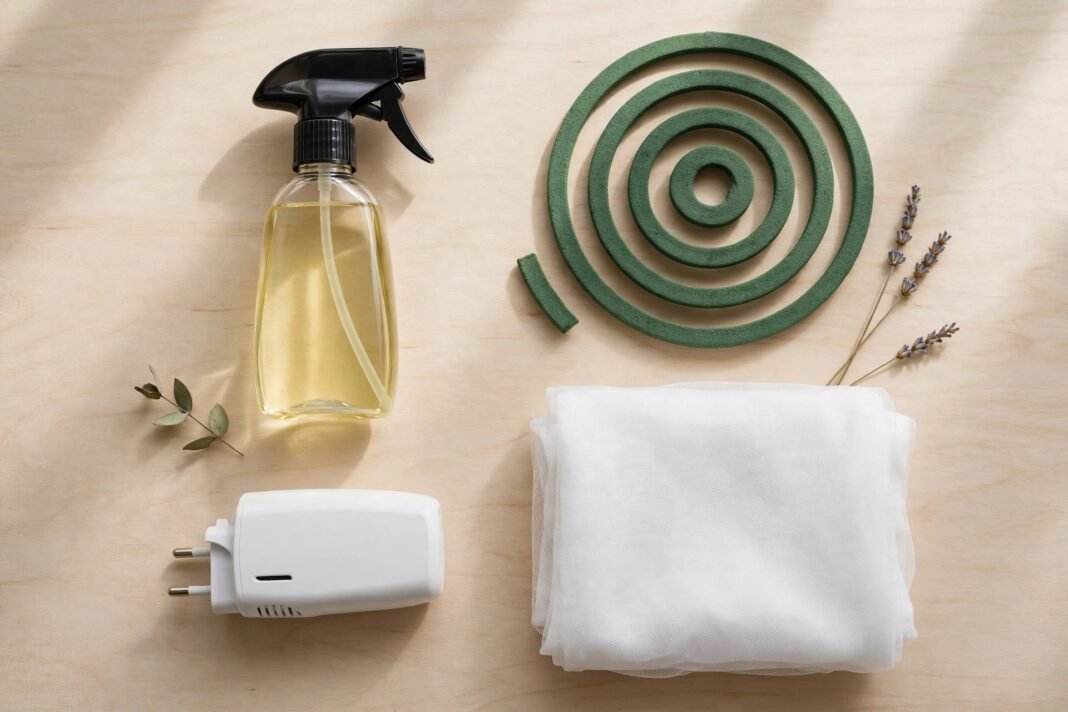
The verdict is simple: use a mix, not one method alone. At home, start with screens on windows and doors, and sleep under a bed net if mosquitoes get in at night. Add a plug-in vaporiser in the bedroom if you need extra help, and follow the label. Outdoors, a skin repellent with a registered active ingredient is your best defence, along with long sleeves and trousers in the evening. Every week, walk around your home and empty any standing water. Skip the UV zapper as your main defence, and save coils for well-ventilated outdoor spaces. Together, these steps give you the best way to prevent mosquitoes without relying on any single product.
Which method works best in your home? Share your experience in the comments.
This article is general information, not medical advice. Please speak to a healthcare professional if you are worried about your health.