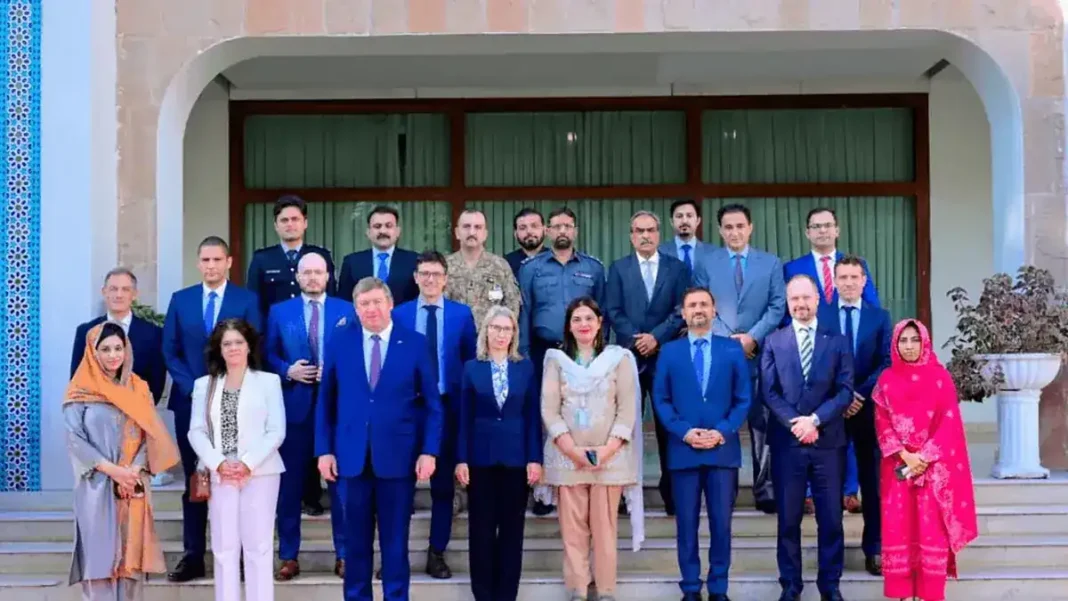
Pakistan and the European Union agreed on Thursday to strengthen counterterrorism cooperation, including joint efforts against violent extremism, terrorist financing and the misuse of cyberspace. The understanding came during the 10th round of their bilateral counterterrorism dialogue in Islamabad, the Foreign Office said.
Director General Counterterrorism Dr Fareha Bugti led the Pakistani delegation, while Anna Strzaska, the European External Action Service’s Special Envoy for Counterterrorism, headed the EU side.
Pakistan EU counterterrorism dialogue: what was agreed
The two sides reviewed recent regional and global developments affecting the terrorism threat landscape and strongly condemned terrorism in all its forms. They reaffirmed their commitment to fighting the threat through coordinated action.
The EU delegation condemned recent terrorist attacks in Pakistan, expressed solidarity with the victims and acknowledged Islamabad’s efforts to counter terrorism, according to the Foreign Office.
Both sides also voiced concern over the security implications of the situation in Afghanistan and recognised each other’s role in the global fight against terrorism.
Focus on online radicalisation and terrorist financing
A major part of the discussion centred on emerging threats, particularly the exploitation of cyberspace, information and energy resources by terrorist groups. The delegations exchanged best practices on preventing violent extremism, countering terrorist financing and addressing radicalisation, especially the growing use of digital platforms by terrorist organisations.
Pakistan and the EU also agreed to enhance cooperation at multilateral forums, including the United Nations, to build a coordinated approach to counterterrorism. The two sides identified priority areas for future cooperation and committed to regular, institutionalised engagement.
The next round of the dialogue will be held in Brussels next year on a mutually convenient date.
Why it matters for Pakistan
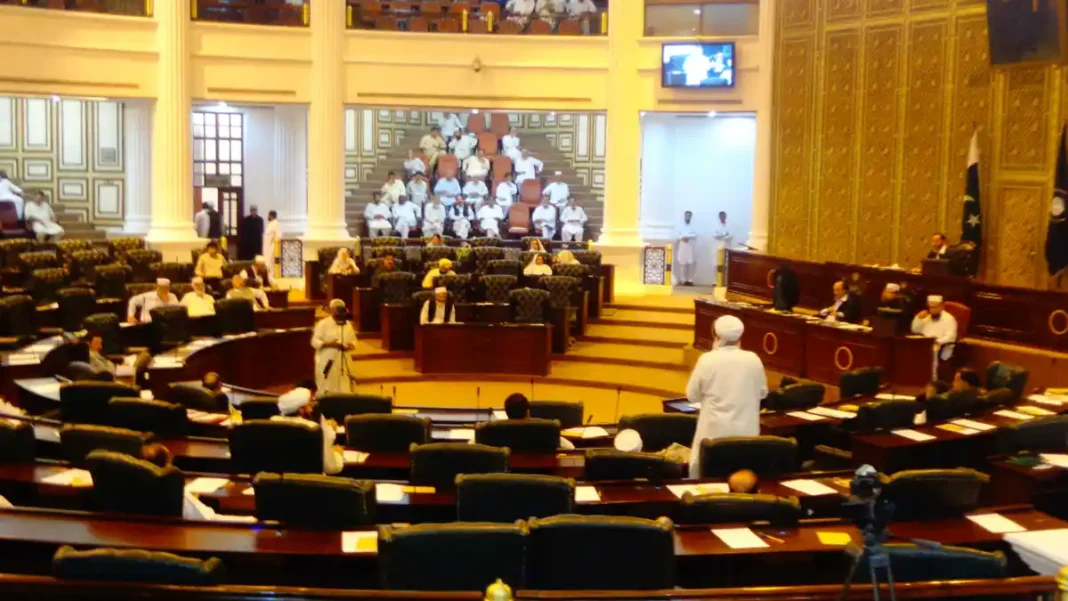
The dialogue lands at a sensitive moment for Pakistan’s security debate. The government has been pushing for a national consensus on counterterrorism, with Rana Sanaullah telling the Senate that the prime minister is ready to invite all parties for talks on the issue — and linking the end of K-P’s governor’s rule to PTI’s backing of the counterterrorism effort. Fresh attacks, including the killing of a police officer near Miranshah, have kept the threat in the headlines.
Closer EU cooperation also matters beyond security. Brussels remains one of Pakistan’s most important economic partners, and Pakistan’s GSP+ trade benefits face fresh questions as India’s free trade talks with the EU advance. A working security relationship strengthens the wider partnership.
The dialogue sits within the 2019 Strategic Engagement Plan, the framework that structures EU-Pakistan cooperation across politics, trade, development and security. Both sides have used recent rounds to review that partnership and deepen work on migration, climate and food security alongside counterterrorism.
Frequently asked questions
What is the Pakistan-EU counterterrorism dialogue?
A bilateral forum where Pakistan and the European Union coordinate on fighting terrorism, terrorist financing and violent extremism. The 10th round was held in Islamabad on October 22, 2026.
Who led the two delegations?
DG Counterterrorism Dr Fareha Bugti led Pakistan’s delegation; Anna Strzaska, the EU’s Special Envoy for Counterterrorism, led the EU side.
What new threats were discussed?
The misuse of cyberspace and digital platforms by terrorist groups, terrorist financing, and the exploitation of information and energy resources.
When is the next round?
The next round will be held in Brussels next year on a mutually convenient date, the Foreign Office said.