


Pakistan’s population density — 336 people per km² nationally, but the reality ranges from Karachi’s packed streets to Balochistan’s empty deserts. The provincial breakdown and what density means for life in Pakistan.
Quick answer: Pakistan’s population density: ~336 people/km² (38th densest in the world). Punjab is the densest province; Balochistan — 44% of the land, 6% of the people — the emptiest. Karachi is among the world’s densest cities.
National Density: 336/km²
259 million people on 796,096 km² = ~336 per km² (871 per sq mile) — denser than China (~151) and the US (~37), thinner than India (~473) or Bangladesh (~1,350). The 2023 census measured 303/km²; growth has pushed it higher.
Provincial Contrast
Punjab: ~622/km² — canal-colony farmland among South Asia’s densest rural areas. Sindh: ~395/km². KP: ~401/km². Balochistan: ~43/km² — 347,190 km² of desert and mountains holding just 14.89 million people. ICT: ~2,600/km².
City Density
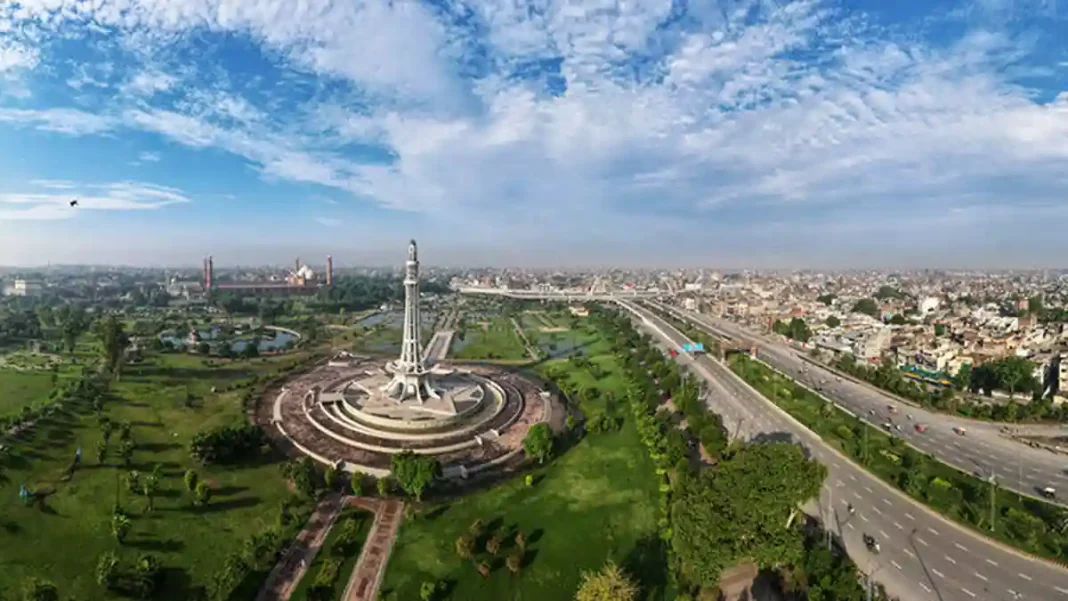
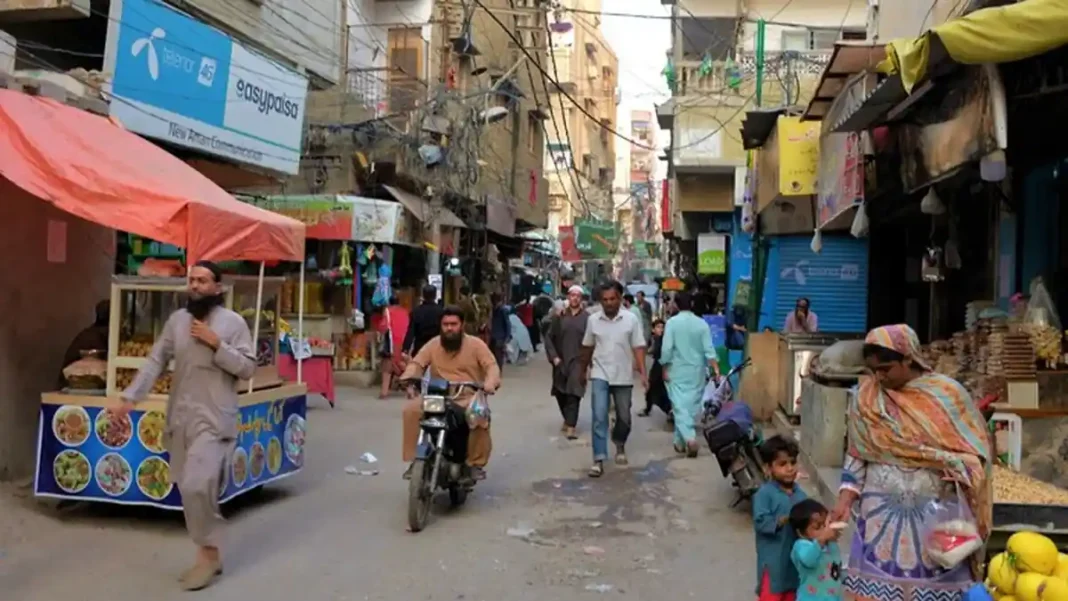
Karachi’s core districts exceed 20,000/km² — among the planet’s densest urban areas. Lahore, Faisalabad and Rawalpindi follow. Density drives everything urban: traffic, housing prices, and the vertical growth of Pakistan’s cities.
Why It Matters
High density strains water, farmland and infrastructure — Punjab’s water table falls as its population rises. Low density raises service costs — schooling Balochistan’s scattered villages is expensive. Density is destiny in development planning. Overview in our population pillar guide.
Is Pakistan densely populated?
Moderately by South Asian standards — 336/km², denser than most of the world but thinner than India or Bangladesh.
Which province is the most densely populated?
Punjab (~622/km²); the least dense is Balochistan (~43/km²).
Related Population Guides
, Balochistan emptiest (~43). Provincial contrast, city density and why it matters.)