Pakistan’s travel restrictions are specific, not sweeping: certain zones need a No Objection Certificate, Indian aircraft are barred from Pakistani airspace, visa rules changed in January 2026, and departing travellers need polio vaccination proof. None of this amounts to a ban — but each rule can wreck a trip if you ignore it. Here is the complete 2026 rulebook.
Quick answer: Pakistan’s 2026 travel restrictions: (1) NOC required for foreigners in sensitive zones near the Afghan border and LoC; (2) airspace closed to Indian-registered/operated aircraft since 24 April 2026; (3) e-visas via NADRA’s online system (7–10 working days) since the free Visa Prior to Arrival scheme ended 1 January 2026; (4) polio vaccination certificate required for travellers departing Pakistan under extended WHO rules.
In this guide
Restricted zones and the NOC
Some areas need permission. Pakistan requires foreign nationals to obtain a No Objection Certificate (NOC) — typically via the Ministry of Interior — before visiting designated sensitive areas. These have historically included parts of the former tribal districts, areas close to the Afghan border, and localities near the Line of Control. The exact list shifts with the security situation, so check before planning.
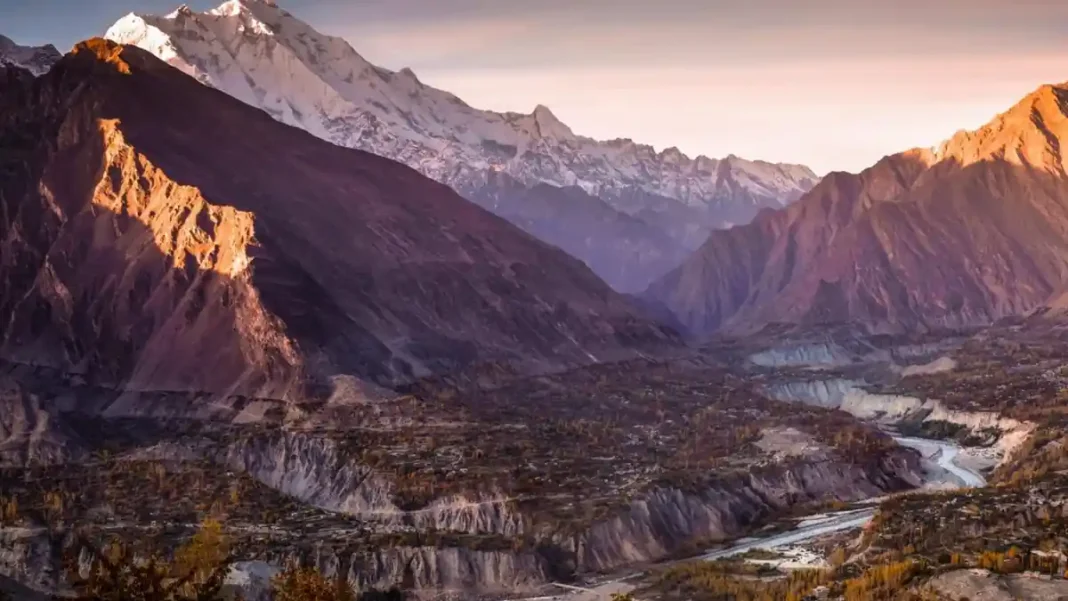
The good news: the entire mainstream tourist circuit needs no NOC — Islamabad, Lahore, Karachi, the Karakoram Highway towns, Hunza, Skardu, Naran and Kaghan are open to foreign visitors on a standard visa. If a tour operator tells you an NOC is needed for Hunza, find another operator. For the current advisory map, see the US and UK advisories.
The airspace restriction
Only Indian aircraft are affected. On 24 April 2026, days after the Pahalgam attack in Indian-administered Kashmir, Pakistan issued a NOTAM barring aircraft registered in India — or owned, operated or leased by Indian carriers, including military flights — from Pakistani airspace. India imposed a reciprocal ban on Pakistani aircraft on 30 April. Both bans have been renewed roughly monthly ever since.
The practical effect: about 800 Indian airline flights a week to West Asia, Europe and North America take longer southern or northern detours, adding 15 minutes to several hours plus fuel costs. If you are flying to Pakistan from anywhere except India, this does not touch your flight. Travellers connecting through India should expect longer routings — check the restrictions update page for the latest NOTAM status.
Visa and entry rules
The free on-arrival scheme is gone. From 1 January 2026, Pakistan suspended the “Visa Prior to Arrival” facility that had let citizens of 126 countries get a free visa within about 48 hours. Those travellers now apply through the Pakistan Online Visa System run by NADRA; processing typically takes 7–10 working days, so apply at least a month before travel.
Citizens of Gulf states (Saudi Arabia, UAE, Bahrain, Oman, Qatar, Kuwait), Nepal and the Maldives remain visa-exempt for tourist visits up to 90 days. The tourist e-visa is valid for stays up to three months and can be extended once inside Pakistan. Keep an eye on the Pakistan travel guide for entry-checklist updates.
Health and departure rules
Polio certificate required. The WHO extended its polio-related travel recommendations for Pakistan by three months in late September 2026, citing continued wild poliovirus transmission in reservoirs including Karachi and southern KP. All travellers departing Pakistan should carry proof of polio vaccination — airlines and border officials do check.
There are no COVID-era testing or quarantine requirements in 2026. Standard travel-health advice applies: hepatitis A and typhoid vaccination, care with street food and tap water, and comprehensive travel insurance. Visitors heading to the mountains should note that rescue infrastructure is thin — altitude and road safety deserve more of your planning energy than paperwork. The complete travel ban guide summarises every current rule in one place.
Do I need an NOC to visit Hunza or Skardu?
No. The northern tourist areas — Hunza, Skardu, Gilgit, Naran — do not require a No Objection Certificate. NOCs apply to sensitive zones near the Afghan border, parts of the former tribal districts and areas near the Line of Control.
Can I fly from India to Pakistan directly?
Not on Indian or Pakistani carriers using each other’s airspace: both countries’ reciprocal airspace bans (in force since late April 2026) remain in place. The Wagah–Attari land border is also closed. Travellers route via Gulf hubs instead.
How long does a Pakistan e-visa take in 2026?
Typically 7–10 working days through NADRA’s Pakistan Online Visa System. Apply at least a month before travel and do not book non-refundable flights until the visa is issued.