Passport Issuing Authority Pakistan: Who Issues Your Passport (DGIP Explained)
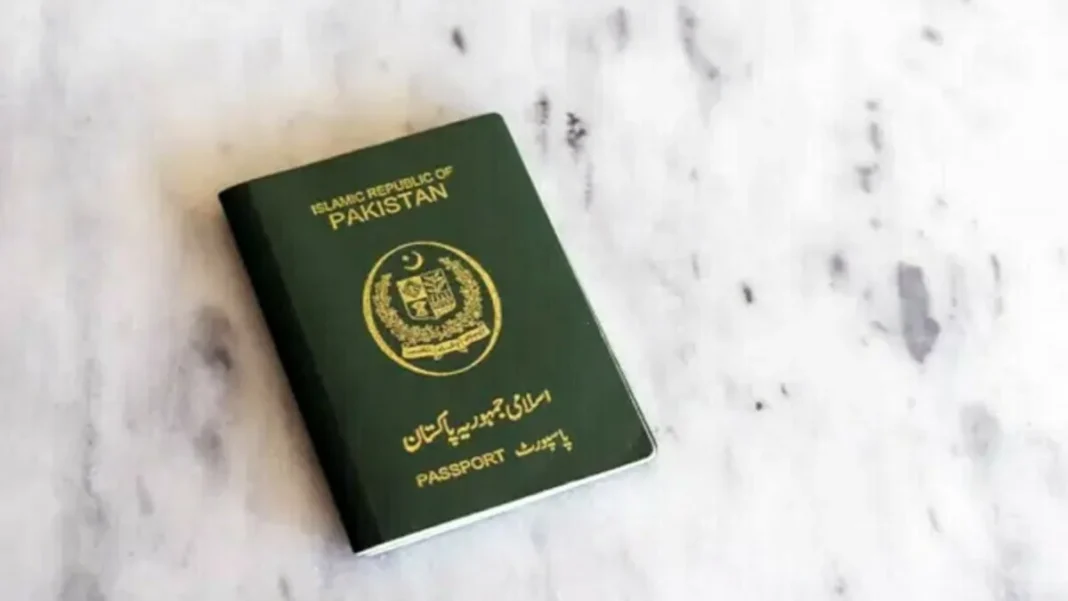
Every Pakistani passport — the booklet, the e-passport chip, the printing — comes from one authority: the Directorate General of Immigration & Passports (DGIP). This guide explains what DGIP is, where it sits in government, how it’s organised, and what it actually does with your application.
Quick answer: Pakistan’s passport issuing authority is the Directorate General of Immigration & Passports (DGIP), working under the Ministry of Interior. Headquartered at Mauve Area, G-8/1, Islamabad, DGIP runs Regional Passport Offices nationwide, zonal directorates, and the central printing facility — and now issues biometric e-passports alongside machine-readable passports.
In this guide
What DGIP is
The Directorate General of Immigration & Passports is the federal body responsible for issuing Pakistani passports and managing immigration documentation. It operates under the Ministry of Interior (the interior minister oversees its policy direction — Mohsin Naqvi has driven its recent modernisation, from 24/7 offices to backlog elimination). Its headquarters: Mauve Area, G-8/1, Islamabad. Contact: helpline 051-111-344-777, email info@dgip.gov.pk.
How it’s organised: zones & offices
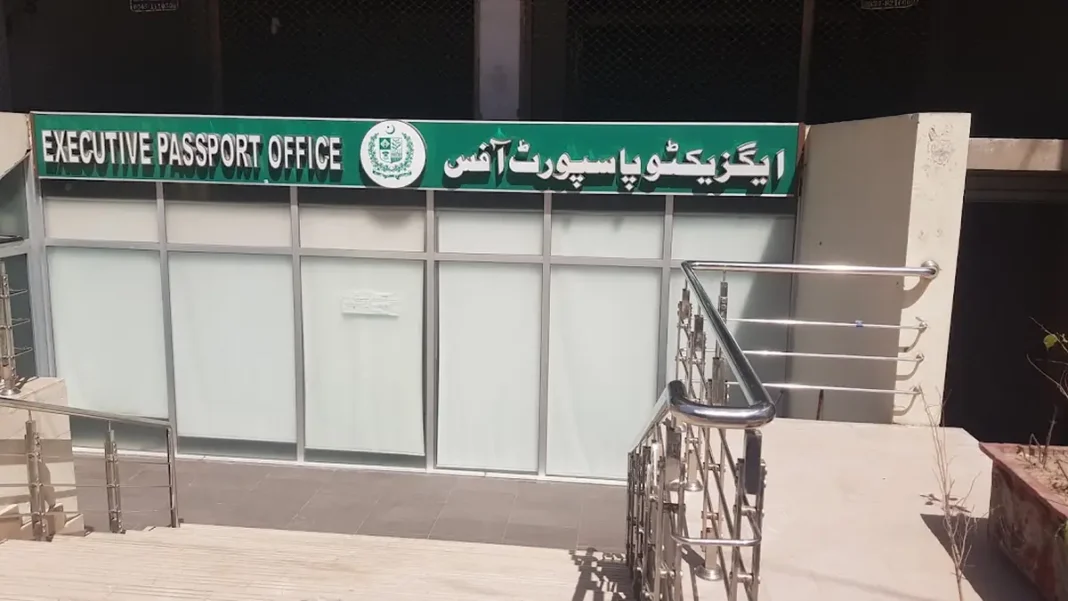
DGIP works through zonal directorates — e.g. North Punjab Zone (Rawalpindi), Central Punjab Zone (Lahore), South Punjab Zone (Multan), Khyber Pakhtunkhwa Zone (Peshawar), plus Sindh and Balochistan setups — each overseeing Regional Passport Offices (RPOs) in cities. RPOs are the public face: they take applications, capture biometrics, and deliver printed passports. Executive Passport Offices (NADRA-run) and passport counters at NADRA mega centres extend the network. Printing itself is centralised at DGIP’s production facility in Islamabad.
What DGIP does with your application
The journey: 1) your RPO captures data, photo and biometrics and issues a token; 2) verification runs — CNIC/NADRA cross-checks, security screening, and police verification for first-time applicants; 3) the approved file goes to the Islamabad printing facility; 4) the printed passport is dispatched to your RPO or courier. That’s why “Sent for Printing” in tracking means the hard part is over. DGIP says the historic backlog — once six months — has been eliminated, with passports now delivered within the stipulated windows.
The e-passport shift
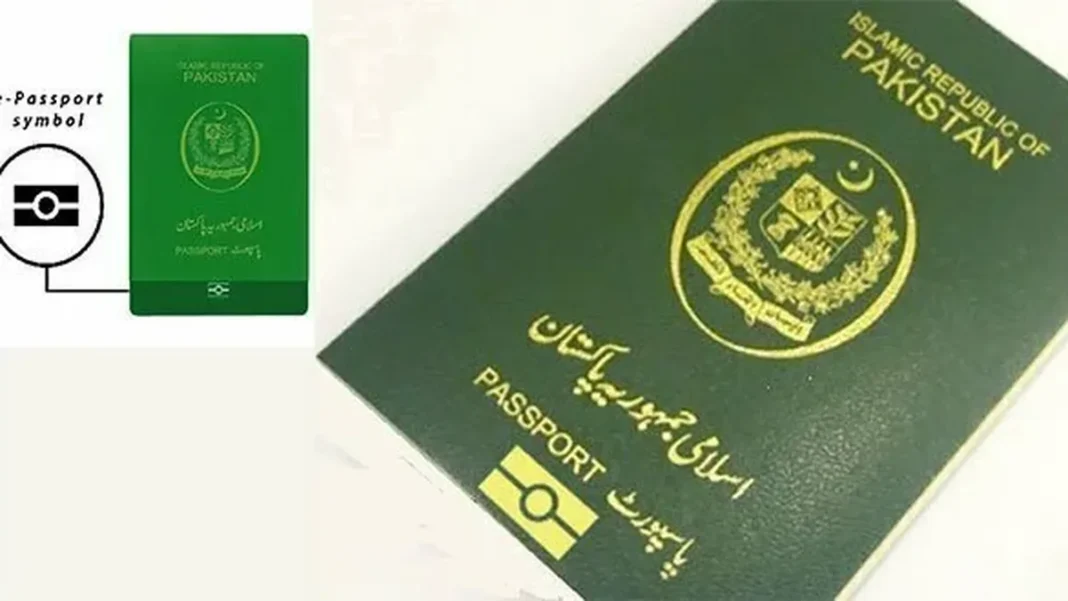
DGIP is moving Pakistan from machine-readable passports (MRP) to biometric e-passports with an embedded chip — harder to forge, faster at airport e-gates. E-passports are available at field offices nationwide (no Fast Track option for e-passports; Normal/Urgent only). Your existing MRP remains fully valid until its expiry date — there’s no forced switch. Indicative e-passport fees: Rs 9,000 (36pp/5yr Normal) to Rs 40,500 (72pp/10yr Urgent).
Related Guides
Issuing authority: FAQs
Which authority issues passports in Pakistan?
The Directorate General of Immigration & Passports (DGIP), under the Ministry of Interior.
Where is DGIP headquarters?
Mauve Area, G-8/1, Islamabad. Helpline: 051-111-344-777.
What is the difference between DGIP and NADRA for passports?
DGIP is the issuing authority (applications, verification, printing). NADRA runs Executive Passport Offices and mega-centre counters as service points — and NADRA’s CNIC database underpins verification.
Are e-passports mandatory now?
No. E-passports are available at all field offices, but existing machine-readable passports remain valid until expiry.