PHC Upholds Tirah Operation Ruling, Rejects Three Petitions
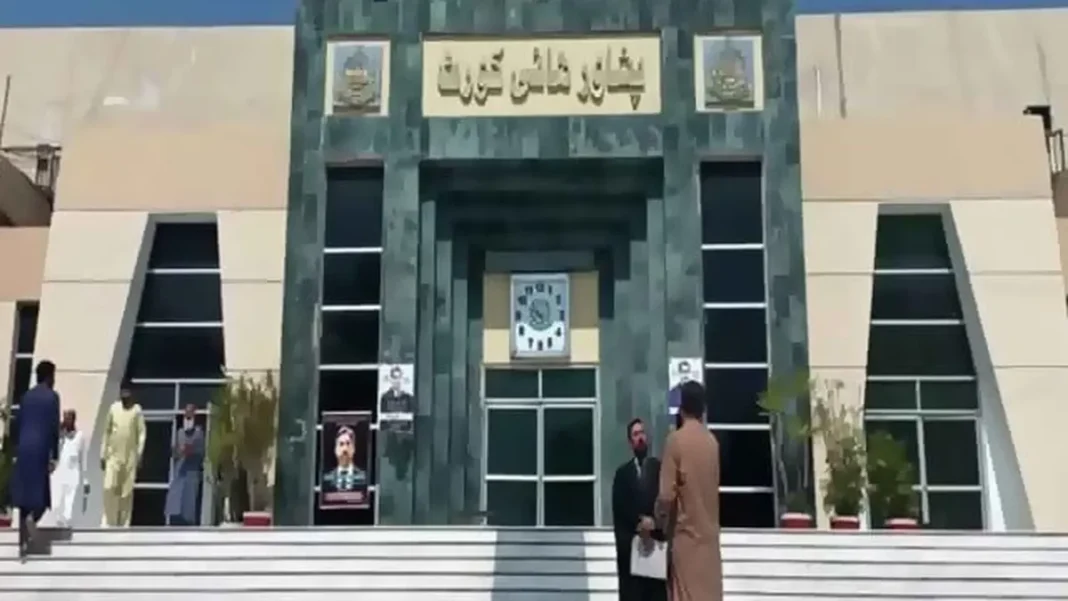
The Peshawar High Court has upheld the military operation in Tirah Valley, ruling that the launch and conduct of counter-terrorism operations fall within the domain of executive policy and are not ordinarily open to judicial review. The Tirah operation ruling came from a two-member bench of Justice Mohammad Naeem Anwar and Justice Mohammad Faheem Wali, which rejected three petitions challenging the legality of the operation.
The court announced its decision on Friday, and the 21-page judgment was published on Saturday.
The petitioners were Barrister Saud Javed Dawar and advocates Mohammad Yousaf Orakzai and Zarak Khan Afridi. They asked the court to declare the operation unconstitutional, to order a standard method for measuring civilian losses, and to direct relief, healthcare and shelter for the displaced population.
What the Tirah operation ruling says
The bench held that the decision to start counter-terrorism operations in Tirah Valley, in response to the security situation and to restore the writ of the state, fell within executive policy and operational discretion.
The judgment said that under the doctrine of trichotomy of powers, matters such as national defence, security of the state, military operations and counter-terrorism measures fall primarily within the constitutional domain of the executive. Courts acting under Article 199, it added, must ordinarily exercise judicial restraint and cannot sit in appeal over the wisdom of executive decisions, a limit the Peshawar High Court has already applied after an order from the Federal Constitutional Court.
The bench also ruled that collateral damage, by itself, did not render a security operation unlawful. The assessment of the threat, the choice of strategy, the timing of deployment and the measures needed to achieve the aims of an operation were matters for the executive and the security authorities, it said.
Relief package for displaced families
On the question of relief, the bench found that the petitioners’ grievances had been substantially addressed. It pointed to a package comprising a one-time cash grant of Rs265,000 per family and a monthly food grant of Rs35,000, along with transit, relief and rehabilitation arrangements made by the provincial government through the disaster management authority and district officials. The court said the record showed the provincial government had not ignored the humanitarian consequences of the displacement. To the extent of the relief already provided, the bench ruled, the petitions had been rendered infructuous.
Nearly 2,000 displaced families have already returned to Tirah Valley after 11 months away, reopening shops and a mosque in their home villages. The court referred to a detailed report from the relief, rehabilitation and settlement department, titled “Tirah TDP Special Compensation Package”, which set out the assistance given.
Court wants a framework for civilian losses
While it rejected the petitions, the bench pressed the government to build a proper system for dealing with civilian harm in future operations. It said the federal government, especially the interior and defence ministries, should work with the Khyber Pakhtunkhwa government to devise a comprehensive framework for the Collateral Damage Estimation Methodology, covering assessments before and after operations.
Such a framework should safeguard fundamental rights under Articles 9, 19-A and 24, while remaining consistent with national security needs. It said the principles of distinction, proportionality and precaution require due regard for the protection of civilians.
The bench warned that civilian losses, if left unacknowledged or inadequately addressed, could aggravate public grievances and erode confidence in state institutions. It said security operations must be matched by a transparent mechanism for identifying civilian risks, verifying losses, and ensuring timely relief and compensation where warranted.
How the case reached this point
The case travelled a long road before it reached judgment. At an earlier hearing in January, the federal and Khyber Pakhtunkhwa governments told the court that they had not given permission for the launch of the operation. The court then directed the disaster management authority to provide relief, and the advocate general said Rs4 billion had been approved for that purpose.
Displaced families had questioned the government’s return plan for the valley, including the timing of their return and the support available to them. The bench heard full arguments on September 8, before the emergency was declared in the province on October 11. The Khyber Pakhtunkhwa government was represented by the then advocate general, Shah Faisal Uthmankhel, while the then deputy attorney general, Sanaullah, who is now advocate general, appeared for the federal government.
The ruling does not end the debate over the operation, but it settles the legal challenge against it. The test now lies in whether the government builds the civilian-loss framework the court has called for. Security operations continue across Khyber Pakhtunkhwa, including a recent counter-terrorism operation in Peshawar in which five people were killed.
Frequently asked questions
What did the Peshawar High Court decide on the Tirah operation?
The court upheld the military operation in Tirah Valley and rejected three petitions against it. It held that the launch and conduct of counter-terrorism operations fall within executive policy and operational discretion, and are not ordinarily open to judicial review under Article 199 of the Constitution.
Can courts review military operations under Article 199?
The bench said courts must ordinarily exercise judicial restraint in such matters and cannot sit in appeal over the wisdom or desirability of executive decisions on national security and defence. It added that collateral damage, by itself, does not make an operation unlawful.
What relief have displaced Tirah families received?
The court noted a package of a one-time cash grant of Rs265,000 per family and a monthly food grant of Rs35,000, along with transit, relief and rehabilitation arrangements through the disaster management authority and district officials. Nearly 2,000 families have already returned to the valley after 11 months away.
What is the Collateral Damage Estimation Methodology?
It is a standardised method for assessing civilian losses before and after security operations. The petitioners asked the court to order the government to frame it in line with international standards. The court did not order it, but it urged the federal and provincial governments to devise a comprehensive framework for assessing civilian losses in future operations.
Who filed the petitions against the operation?
The petitioners included Barrister Saud Javed Dawar and advocates Mohammad Yousaf Orakzai and Zarak Khan Afridi. They sought a declaration that the operation was unconstitutional, a standard method for measuring civilian losses, and directions for relief, healthcare and shelter for the displaced population.