Tirah Valley Displaced Families Return Home
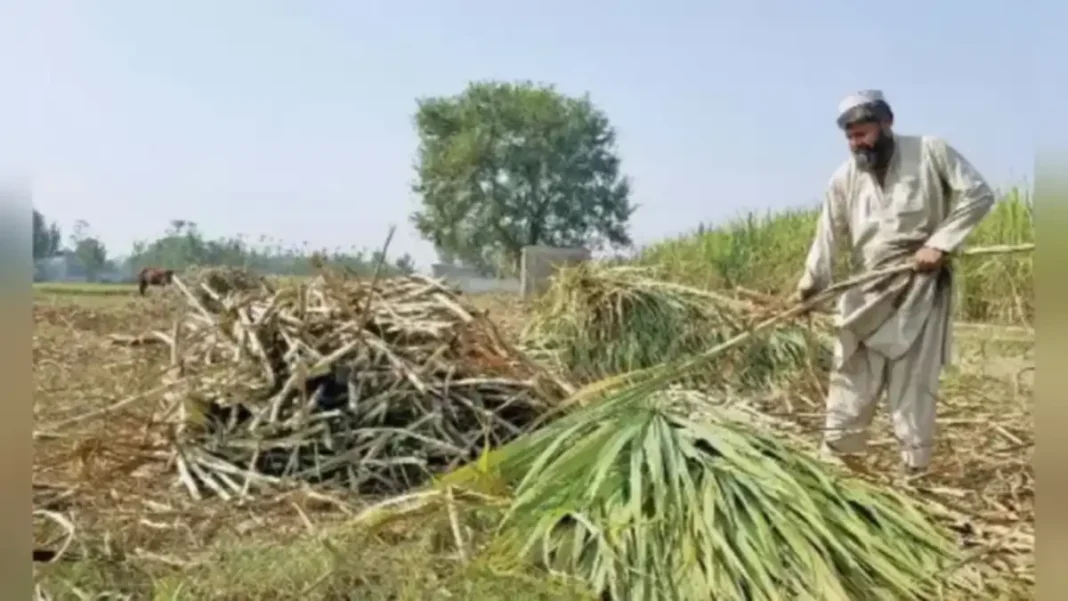
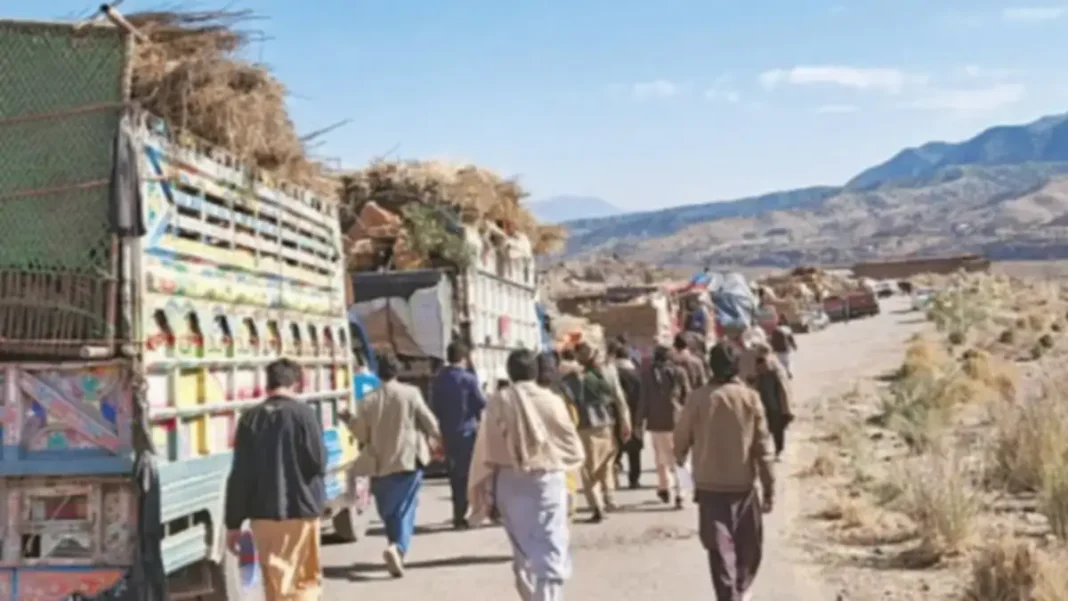
Nearly 2,000 selected displaced persons have returned to Tirah Valley since last week, and shops in the main market have reopened after 11 months of closure. The return of the Tirah Valley displaced families is a sign that life is slowly returning to the restive valley in Khyber district. Dawn reported the return on Tuesday, in a sign that life is slowly returning to the restive valley in Khyber district.
At least 60 shopkeepers of Lar Bagh Markaz in the Maidan area, the main trading centre of the valley, have reopened their shops. Most deal in edibles, medicines and construction tools, the goods returning families need first.
The main Jamia Masjid of Bagh Markaz has also reopened. A handful of the returned people offered their first Friday prayers in the mosque after 11 months.
A butcher slaughtered an animal after a long break, and a number of the returned persons bought fresh beef from his outlet. A restaurant owner also arranged the valley’s famous “Karrechi”, a beef karahi, for interested buyers.
Tirah Valley displaced families rebuild without help
The return has not come with state support. A number of the returned persons have started repairing the damaged portions of their houses without any financial assistance from the government.
The district administration had earlier announced that the returning people would not be entitled to any monetary assistance. All of them must arrange their transportation, food and the repair or reconstruction of their personal properties at their own expense.
The cost of getting goods into the valley has also risen sharply. Sources among the returned persons said the transport fare for commercial goods up to Tirah Valley had increased almost three times, from Rs6,000 to Rs18,000 one way.
People who recently returned are in dire need of daily use items. Local shopkeepers have arranged supplies of those items, though with payment of additional charges to transporters.
Cold weather adds to the strain
The return is taking place as winter sets in, which makes the lack of assistance harder to bear. Suhbat Khan Afridi, a spokesman for the displaced Tirah residents, said reconstruction or repair of the damaged houses was a difficult exercise for the families.
He said most of the displaced families could not afford the reconstruction expenses, while harsh cold weather was also a serious impediment to reconstruction work.
Feature Pakistan reported that the United Nations has prepared a winterisation strategy for displaced and vulnerable families in Pakistan, underlining how cold weather raises the cost of shelter, heating and basic supplies for people already uprooted from their homes.
The province has also moved on a separate support track. The Centre released Rs10 billion for a KP uplift package in November, though the Tirah returnees say no such assistance has reached them for their own repairs.
A list that came late
Afridi also complained that the district administration delayed displaying the list of the approved returnees, leaving many to find out a day or two late that they could return.
He suggested that the names of the selected persons should be displayed at prominent places at least two days in advance of their return, so families can prepare in time.
The valley’s economy is also under strain from other directions. Climate shifts have slashed olive yields in Khyber this season, cutting farm incomes in the same district where displaced families are now trying to rebuild.
Medical care is another gap for returning families. The reopened shops sell medicines, but the nearest hospitals are far away, and public health services in Khyber Pakhtunkhwa are under strain. An inquiry at Khyber Teaching Hospital found a gap of 135,000 tests and a monthly loss of Rs7 million, which shows the pressure on the province’s public hospitals.
For now, the reopening of 60 shops and a mosque is the clearest sign of return. The harder test will be whether the families can repair their homes before the cold deepens, and whether the administration improves the way it informs them about their return.
Frequently asked questions
How many displaced people have returned to Tirah Valley?
Nearly 2,000 selected displaced persons have returned to Tirah Valley since last week, after 11 months away from their homes.
How long were the shops closed?
Shops in the main market of Tirah Valley were closed for 11 months before reopening with the return of at least 60 shopkeepers of Lar Bagh Markaz.
Are the returning families getting financial assistance?
No. The district administration announced that returning people would not get any monetary assistance, and they must arrange transport, food and house repairs at their own expense.
Why have goods become costlier in the valley?
The transport fare for commercial goods up to Tirah Valley has risen almost three times, from Rs6,000 to Rs18,000 one way, which pushes up the price of daily use items.
What did the displaced families’ spokesman ask for?
Suhbat Khan Afridi asked the administration to display the list of approved returnees at prominent places at least two days before their return, so families are not told late.