Punjab Lifts 29-Year Ban on Cooperative Societies
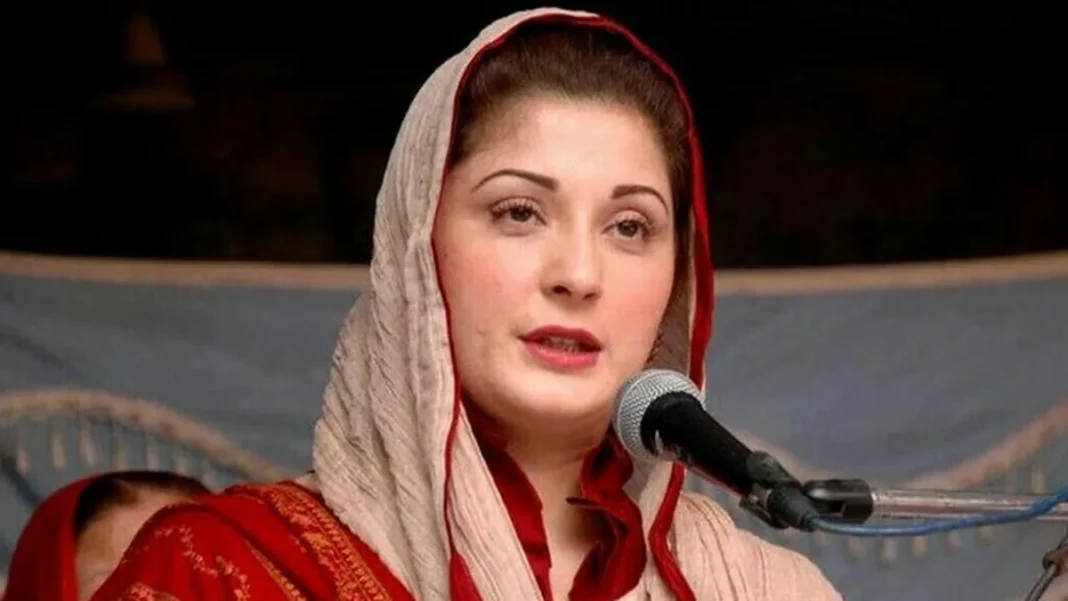
Punjab has partly lifted a 29-year ban on cooperative societies and cleared the way for the Apna Gaon Programme, a village uplift plan that puts local development in the hands of residents. Chief Minister Maryam Nawaz Sharif chaired the meeting that approved the move and set a 44-day deadline to launch the programme.
The first phase will set up cooperative societies in 485 villages. A second phase will extend the plan to 1,500 more villages, taking total coverage to 1,985 villages across the province.
What the Apna Gaon Programme will build
Under the programme, villages will get paved streets, drainage systems and wastewater disposal ponds. The chief minister also ordered solar streetlights for villages. The work will run through the cooperative society model, with each village society in charge of its own projects.
Maryam Nawaz said the government wants the development of every village in the hands of its residents. Villagers will decide their own development priorities through the societies. “We want to make the development process sustainable and effective through cooperative societies,” she said.
She said all villages across Punjab would now move forward, with their development placed in the hands of their residents. She called the step a practical sign of the government’s commitment to change the lives of people in rural areas.
Who will run the societies
Each cooperative society will have a five-member management committee. The posts are president, vice-president, general secretary, treasurer and executive member.
Oversight will sit with five-member tehsil monitoring committees headed by assistant commissioners. Assistant directors of local government will also serve on the committees. The structure gives the societies room to act while keeping a check on how they work.
Why the Apna Gaon Programme matters for villages
The decision matters because it hands real control to the village level. For 29 years, the ban kept cooperative societies out of this role. Villagers had to wait for schemes planned far from their homes, and local needs often came last. The new model lets residents pick the work that matters most to them, from a paved street to a working drain.
The scale is large. The first phase alone covers 485 villages, and the second phase adds 1,500 more. That makes the Apna Gaon Programme one of the widest village uplift efforts in the province. It follows the Khushhal Dehat programme, which received Rs23.85 billion for Punjab villages, and it adds a community-run layer to that spending.
The 44-day deadline points to a launch around the start of January. The chief minister has tied her name to the timetable, which puts pressure on officials to have societies, committees and project lists ready on time.
What to watch as the launch nears
Three tests will show whether the plan works. First, the societies must form in 485 villages within the deadline, with fair votes for their five-member committees. Second, the tehsil committees must keep watch without taking control away from residents. Third, the first projects must match what villagers asked for, not what officials find easiest to build.
The chief minister’s village spending has already drawn political fire. Hussain Elahi criticised Maryam Nawaz over development funds, and the Apna Gaon Programme will face the same scrutiny once money starts to flow. Punjab is also pushing other uplift work, including the Rs5.57 billion plan for Jhika Gali Chowk and Murree. Development stayed high on the agenda when Shehbaz and Nawaz met the AJK leadership to review progress.
If the model holds, villages will gain paved streets, drains, ponds and lights chosen by the people who live with them. If it slips, the 44-day promise will be the first thing critics point to.
Frequently asked questions
What is the Apna Gaon Programme?
It is a Punjab government village uplift plan run through cooperative societies. Villages get paved streets, drainage systems, wastewater disposal ponds and solar streetlights, with residents deciding the priorities.
How many villages will the programme cover?
The first phase covers 485 villages. A second phase will add 1,500 more, taking the total to 1,985 villages across Punjab.
What will cooperative societies do in each village?
Each society will run local development projects in its village. A five-member management committee, with a president, vice-president, general secretary, treasurer and executive member, will lead the work.
Who will oversee the cooperative societies?
Five-member tehsil monitoring committees headed by assistant commissioners will oversee the societies. Assistant directors of local government will also serve on the committees.
When will the Apna Gaon Programme launch?
Chief Minister Maryam Nawaz Sharif set a 44-day deadline for the launch. That points to a launch around the start of January 2027.