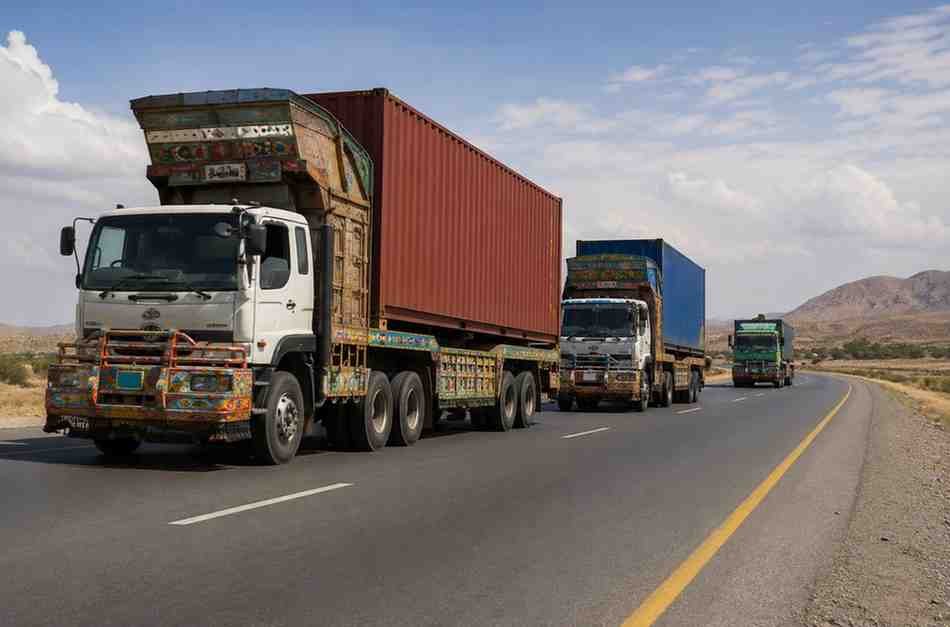
Karachi: Transport Fares are set to increase across Pakistan after the Pakistan Goods Transport Alliance announced a 15% rise in goods transport charges. The decision follows the latest increase in petroleum product prices, which transporters say has made business operations much more expensive.
The announcement came from Pakistan Goods Transport Alliance President Malik Shehzad Awan during a press briefing in Karachi. He said transport companies can no longer absorb the rising cost of fuel and other operating expenses. Therefore, the alliance decided to revise freight charges to help transporters continue their services.
According to the alliance, the latest Transport Fares adjustment reflects the growing financial burden on the logistics sector. Fuel prices continue to climb, while taxes and operational expenses remain high. As a result, transport operators believe they have no practical option except to increase freight rates.
Malik Shehzad Awan also urged the government to withdraw toll tax and withholding tax. He argued that transport companies have not received meaningful relief despite facing continuous cost increases. He added that transporters contribute significantly to the country’s economy and deserve policies that support sustainable business operations.
Furthermore, he called for the removal of traffic fines that add further financial pressure on transport businesses. He explained that many transport owners now struggle to keep their vehicles on the road because operating costs continue to rise every month.
Consequently, some operators have already reduced their fleet activity, while others have parked vehicles to avoid further losses.
The latest Transport Fares announcement follows the government’s recent revision of petroleum product prices.
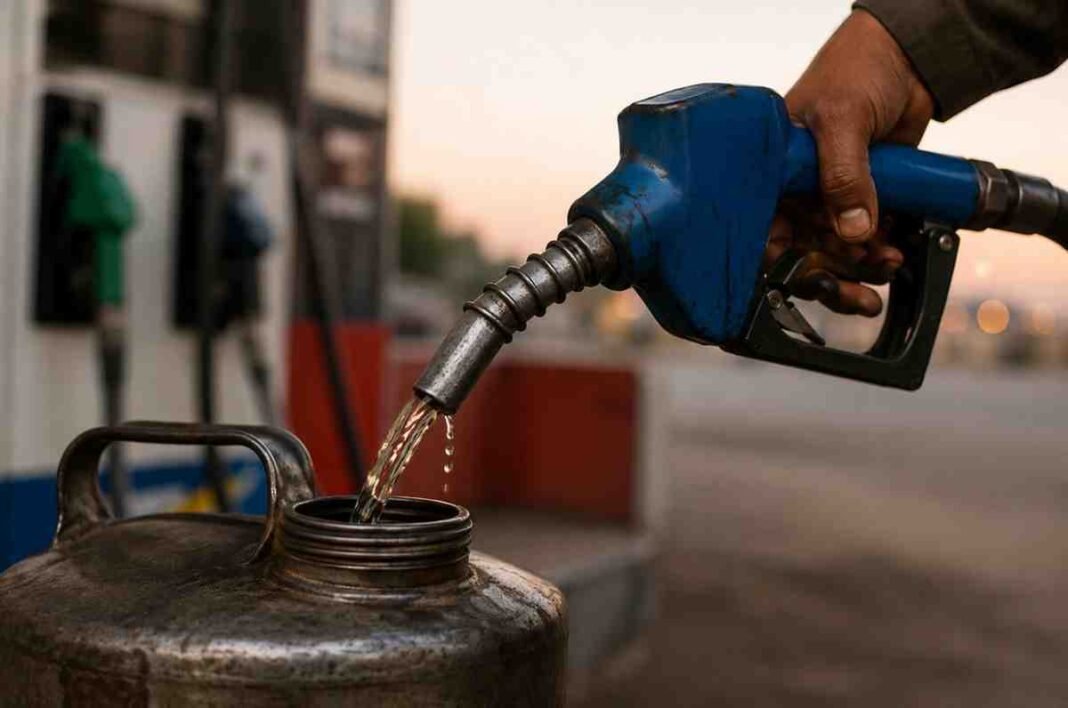
Petrol became Rs. 5.44 more expensive per liter, while high-speed diesel increased by Rs. 31.05 per liter. These changes immediately affected transport companies because diesel remains the primary fuel for heavy commercial vehicles.
Following the latest revision, petrol now costs Rs. 316.15 per liter, while high-speed diesel sells at Rs. 354.35 per liter. The government stated that these revised fuel prices will remain effective from July 18 to July 20, 2026.
Transport operators say such increases directly influence the cost of moving goods across the country.
In addition to petrol and diesel, the government also raised the price of kerosene oil by Rs. 34.33 per liter. According to the notification issued by the Oil and Gas Regulatory Authority (OGRA), kerosene now costs Rs. 276.66 per liter, compared with the previous price of Rs. 242.33 per liter.
Although commercial transport mainly relies on diesel, the overall rise in fuel prices has heightened concerns across the energy and transport sectors.
Meanwhile, industry representatives believe the latest increase in transport fares could affect supply chain costs nationwide. Manufacturers, wholesalers, retailers, and distributors depend heavily on road transport to move products between cities. Therefore, any increase in freight charges may eventually affect the prices consumers pay for everyday goods.
Business owners also expect transportation expenses for raw materials and finished products to rise. Consequently, companies may review their pricing strategies if fuel costs remain high over the coming weeks.
Many logistics firms continue to monitor government decisions because future fuel price revisions could further affect their operations.
Consumers may also experience indirect effects as higher transportation costs often influence food prices, construction materials, consumer products, and other essential goods.
Economists note that transportation serves as a key link in the supply chain. Therefore, changes in Transport Fares often spread across multiple sectors of the economy.
The Pakistan Goods Transport Alliance has renewed its request for immediate government relief. Its leadership believes lower taxes and reduced operating costs would help transport companies maintain stable freight rates while supporting businesses and consumers.
Until then, the newly announced Transport Fares will remain a major concern for the logistics industry and for businesses that depend on reliable and affordable transportation throughout Pakistan.