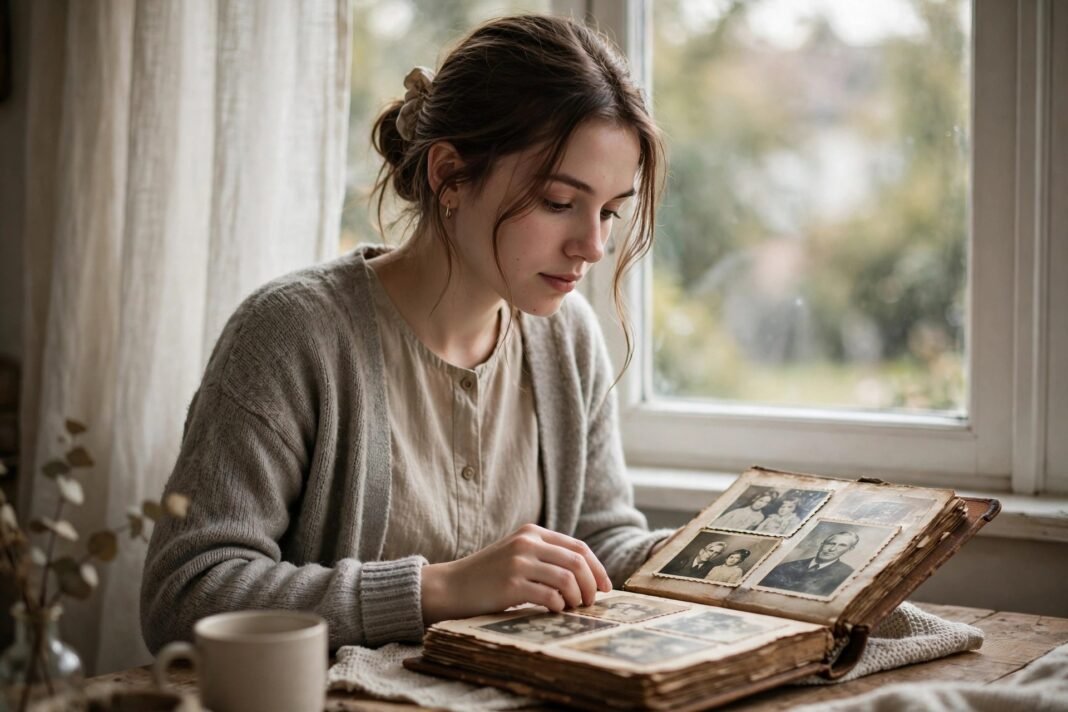
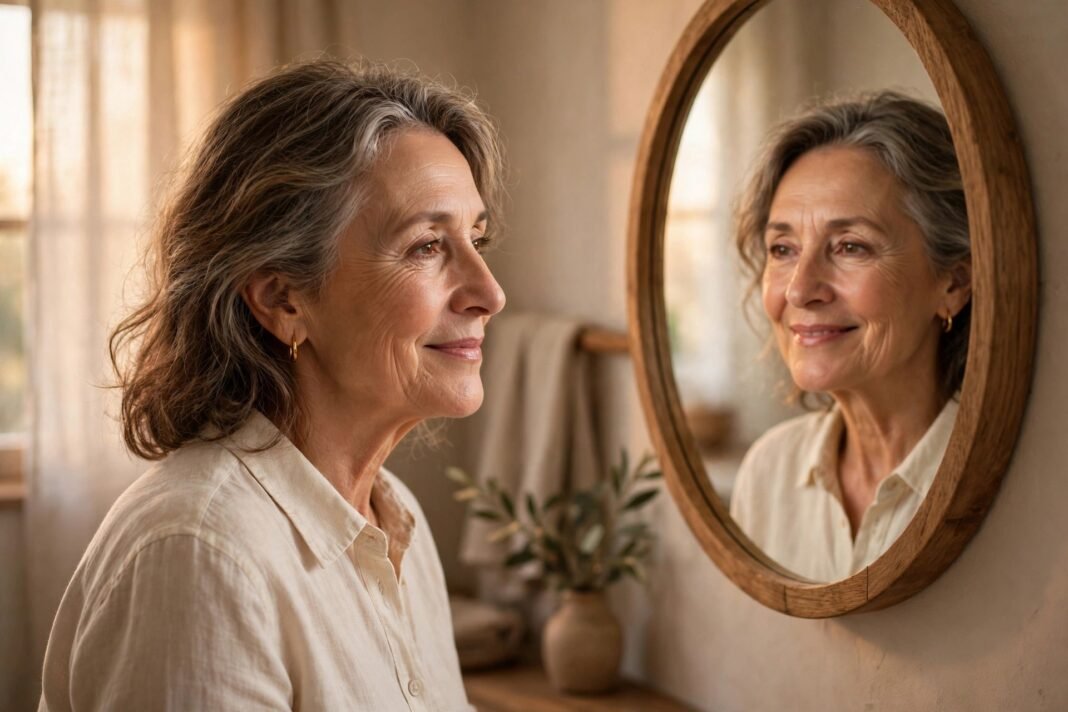
You catch your reflection in a shop window and pause. The face looking back is older than the one in your mind. And for a moment, something tightens in your chest. Women afraid of growing older are not afraid of birthdays. They are afraid of what ageing seems to take away.
Society tells women that youth is their value. So every grey hair and fine line can feel like a small loss. But this fear is not about vanity. It is about feeling seen, feeling wanted, and feeling heard. This article looks at where the fear comes from, and how to loosen its grip.
Women Afraid of Growing Older Are Not Afraid of Age
Age itself is not the problem. Most women do not mind the years passing. What they mind is the message that comes with them: that they matter less now. Women afraid of growing older often fear invisibility, not wrinkles. They fear that colleagues overlook them, strangers ignore them, and friends forget them.
This fear has a real source. Films and adverts still cast older women as background figures. Job adverts ask for “energetic” and “fresh” faces. And compliments often sound like “you look young for your age”, as if looking your age were a failure. When youth is the only currency, ageing feels like losing money.
The Invisibility Women Start to Feel
Many women say the same thing: after a certain age, people stop looking at them. Shop assistants serve the younger customer first. Strangers stop holding doors. And in meetings, people hear a younger voice faster. This invisibility is real. It is a quiet, daily experience that wears confidence down.
Invisibility hurts because it feels like erasure. You are still the same person, with the same humour and the same ideas. But the world acts as if you faded. So some women try to stay visible by chasing youth. Others withdraw and accept the silence. Neither path feels fair, because the problem was never your face. It was the world’s narrow idea of who deserves attention.
You can fight invisibility in small ways. Speak first in a meeting, even if your voice shakes. Wear the bright colour, because it draws the eye. And look people in the eye when you talk to them. Visibility starts with refusing to shrink.
When Worth Gets Tied to Youth
From a young age, girls learn that beauty opens doors. Pretty girls get praise, and young women get attention. So it is no surprise that many women tie their worth to how young they look. When the mirror changes, their sense of value shakes with it.
This link between youth and worth is not natural. Adverts, films, and everyday comments teach it. People say a woman who ages visibly has “let herself go”. People say a woman who tries to look young is “trying too hard”. There is no way to win, because the game itself is unfair. And women never wrote the rules. The pressure to stay young is one of many unfair expectations women carry, as our guide on why divorced women face more social pressure than men shows.
The Double Standard Men Rarely Face
People call a man with grey hair distinguished. A woman with grey hair hears that she should dye it. A man’s lines show character, while a woman’s lines show age. This double standard is so common that many people do not even notice it. But women notice it every day.
Society lets men age in public. People tie their worth to what they do, not how they look. People judge women by a different rule, and the rule is harsher. So the fear of ageing is not a personal weakness. It is a fair response to an unfair standard. Naming the double standard does not erase the fear, but it shows where the fear really comes from.
How the Fear Shows Up in Daily Life
The fear of ageing rarely announces itself. It shows up in small moments instead. You avoid photos, or you delete the ones that show your neck. You spend money on creams that promise miracles. Or you lie about your age to strangers, because the true number feels like a confession.
It can also shape bigger choices. Some women avoid dating, because they fear rejection. Others stay silent in meetings, because they feel their time has passed. And some feel a quiet panic on every birthday. If body changes add to the worry, our guide to perimenopause symptoms women often mistake for normal ageing explains the physical side of this stage of life. But the emotional side needs attention too, because fear grows in silence.
Women Afraid of Growing Older Often Hide Their Age
Hiding your age is common, and it is easy to understand. When society rewards youth, saying your real age can feel like giving something away. So women shave off a few years on forms, in conversations, and even on dating profiles. It feels safer to be younger on paper.
But hiding your age comes at a cost. It means you cannot celebrate what those years gave you. Every year holds lessons, friendships, and strength you earned. When you hide the number, you hide the story behind it. And the more you hide, the more the fear grows. Age is not a secret to keep. It is a life to be proud of.
Letting Go of the Fear, One Thought at a Time
You cannot change society overnight. But you can change the way you talk to yourself. Start by noticing the thoughts that link your worth to your age. When you think “I am too old”, ask yourself: too old for what? For laughing, for learning, for loving? Age has never been a barrier to those things.
You can also choose what you look at. Follow women of every age who live boldly. Spend less time with images that sell youth as the only beauty. And when you catch your reflection, try a kinder thought. Your face tells the story of a life fully lived. That is not something to fear. It is something to honour.
It also helps to talk about the fear out loud. Tell a friend how you feel, because she may feel the same way. Shared fears shrink when two people name them. And when you hear her story, you may see your own more clearly. You are not the only woman who feels this way, and you never were.
What Gets Better With Age
Ageing is not only loss. Many women say their forties, fifties, and beyond brought freedom they never had before. They care less about pleasing everyone. They know their own minds. And they have the confidence to say no without guilt.
Experience is a kind of wealth. You know how to handle hard days, because you have survived them before. You know who your real friends are. And you know what truly matters, because time has taught you. Youth has energy, but age has wisdom. Both are worth celebrating.
Friendships often deepen too. You stop chasing people who drain you, and you hold the ones who lift you closer. You also find words for what you want at last. So you ask for it plainly, without apologising. That kind of honesty takes years to learn, and it is worth every grey hair.
Where to Get Support
If fear about ageing is weighing on you, talking can help. A counsellor can help you untangle the feelings, and support lines are open if you need someone right now.
- In the United States, call or text 988 to reach the 988 Suicide and Crisis Lifeline, free and confidential, day and night.
- In the United Kingdom and Ireland, call Samaritans free on 116 123, any time, day or night. See samaritans.org for more ways to get in touch.
- In Australia, call Lifeline on 13 11 14, any time, or text 0477 13 11 14. See lifeline.org.au for online chat.
You do not need a crisis to reach out. These lines welcome anyone who needs to talk. Your feelings deserve the same care you give to everyone else.
Women Afraid of Growing Older Deserve a Different Story
The fear of ageing is real, but it is not the whole story. You are more than the number of candles on your cake. You are the laughter you have shared, the storms you have survived, and the people you have loved. No mirror can measure that.
So the next time fear whispers that your best years are behind you, answer it. Your best years are the ones you are living now, with all the wisdom you carry. What is one thing you love about the age you are? Share it in the comments, because another woman may need to hear it today.
This article is for general information only. It is not medical advice. If you are struggling, please talk to a doctor or a qualified mental health professional.