796 Afghan Nationals Arrested in First Week of November
Afghan nationals arrested in the first week of November numbered 796, according to a joint update released by the UN refugee agency UNHCR and the International Organization for Migration. The arrests were made in Balochistan, Khyber Pakhtunkhwa, Punjab and Islamabad.
Afghan Citizen Card holders and undocumented Afghans made up 99 per cent of all arrests and detentions in the week, while Proof of Registration cardholders accounted for one per cent. Most of the arrests took place in Balochistan, followed by Khyber Pakhtunkhwa, Punjab and Islamabad.
The update shows that enforcement against Afghans without valid documents continued through the first week of November, even as the number of people returning to Afghanistan fell. Across the country, the top three districts for arrest and detention this year were Chaghi, Peshawar and Karachi.
Returns slowed in the first week of November
Cumulatively, 2,758,958 individuals have returned to Afghanistan from September 15, 2023 to November 7 this year, the update says. In the first week of November, the number of returns fell by 16 per cent and deportations by 19 per cent, compared with the previous week of October.
A total of 4,662 returns were reported during the first week of November, including 809 deportations. The update notes that the decrease reflects a fluctuation from the higher levels recorded in the previous week, while measures affecting Afghan nationals without valid visas remained in place.
Among those who returned between November 1 and 7, most were undocumented, at 78 per cent, followed by Proof of Registration holders at 12 per cent and Afghan Citizen Card holders at 10 per cent. The majority of Proof of Registration returns were processed by UNHCR through its Voluntary Repatriation Centres.
Among those deported between November 1 and 7, most were undocumented, at 98 per cent, followed by Proof of Registration holders at one per cent.
Afghan nationals arrested: who falls in each category
The figures turn on three legal categories. Proof of Registration, or PoR, cardholders are registered Afghan refugees whose status is documented with UNHCR. Afghan Citizen Card, or ACC, holders are Afghans who were given cards under a separate government scheme but do not hold refugee status. Undocumented Afghans hold neither card and have no valid visa.
The distinction matters because it decides how a person is treated. PoR holders are largely processed through voluntary repatriation, while undocumented Afghans make up almost all deportations. In the first week of November, only one per cent of arrests involved PoR holders, and only one per cent of deportations did.
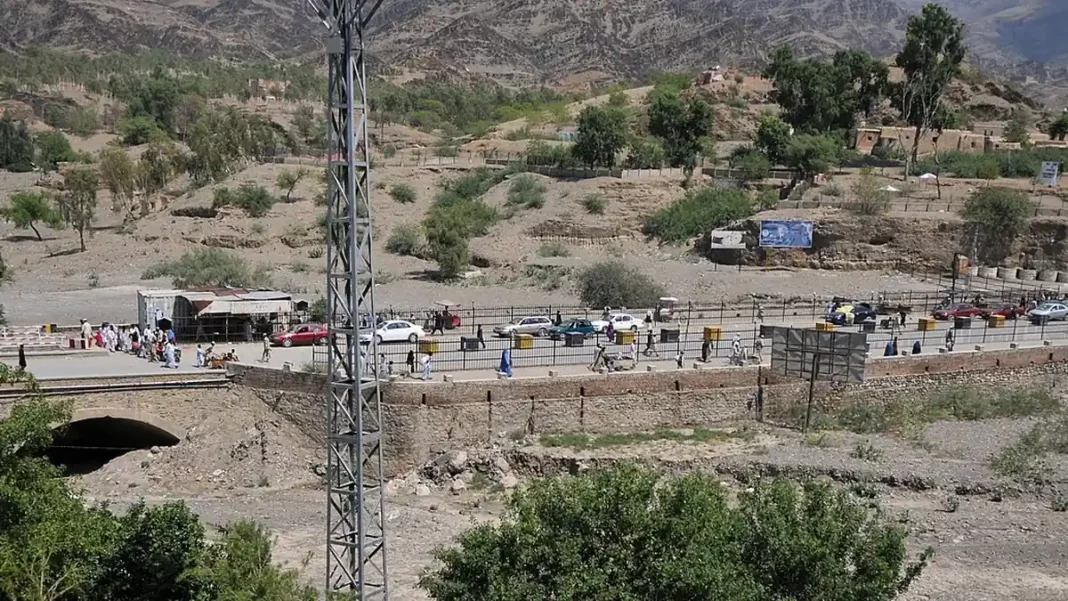
The pattern matches the wider repatriation picture. Returns through Torkham have slowed in recent weeks, and the Federal Investigation Agency has booked Pakistanis deported from Turkiye in separate cases, showing that enforcement now runs in both directions across Pakistan’s borders.
Arrests and the security backdrop
The arrests come against a security backdrop in which Afghan nationals have also been linked to militancy cases. Police in Khyber Pakhtunkhwa recently arrested an Afghan national in the Tirah valley over an alleged terror plot, and migration enforcement has tightened across the region, with a migrant boat sinking off Senegal in a separate tragedy.
The UNHCR and IOM update does not link the 796 arrests to any single operation. It records them as part of the routine weekly count of arrests, detentions, returns and deportations.
Chaghi, in Balochistan, heads the list of districts for arrests and detentions this year, ahead of Peshawar and Karachi. Chaghi borders Afghanistan and Iran, and its position on the crossing routes helps explain why it records the most cases.
What happens next
The weekly updates will show whether the slowdown in returns continues or reverses. The 16 per cent fall in returns and 19 per cent fall in deportations followed higher levels in the last week of October, so a single week does not establish a trend.
What is clear is the shape of enforcement. Almost every arrest and almost every deportation involves an undocumented Afghan or an ACC holder, while PoR holders are barely touched. That pattern is likely to continue while the measures against Afghans without valid visas remain in place.
Frequently asked questions
How many Afghan nationals were arrested in the first week of November?
Law-enforcement agencies arrested 796 Afghan nationals in the first week of November, in Balochistan, Khyber Pakhtunkhwa, Punjab and Islamabad.
Who was arrested?
Afghan Citizen Card holders and undocumented Afghans made up 99 per cent of arrests and detentions. Proof of Registration cardholders accounted for one per cent.
How many Afghans returned to Afghanistan in that week?
A total of 4,662 returns were reported between November 1 and 7, including 809 deportations. Returns fell 16 per cent and deportations 19 per cent against the previous week.
How many people have returned since September 2023?
Cumulatively, 2,758,958 individuals have returned to Afghanistan from September 15, 2023 to November 7, 2026, according to the UNHCR and IOM update.
Which districts recorded the most arrests this year?
Chaghi, Peshawar and Karachi were the top three districts for arrest and detention of Afghan nationals this year.