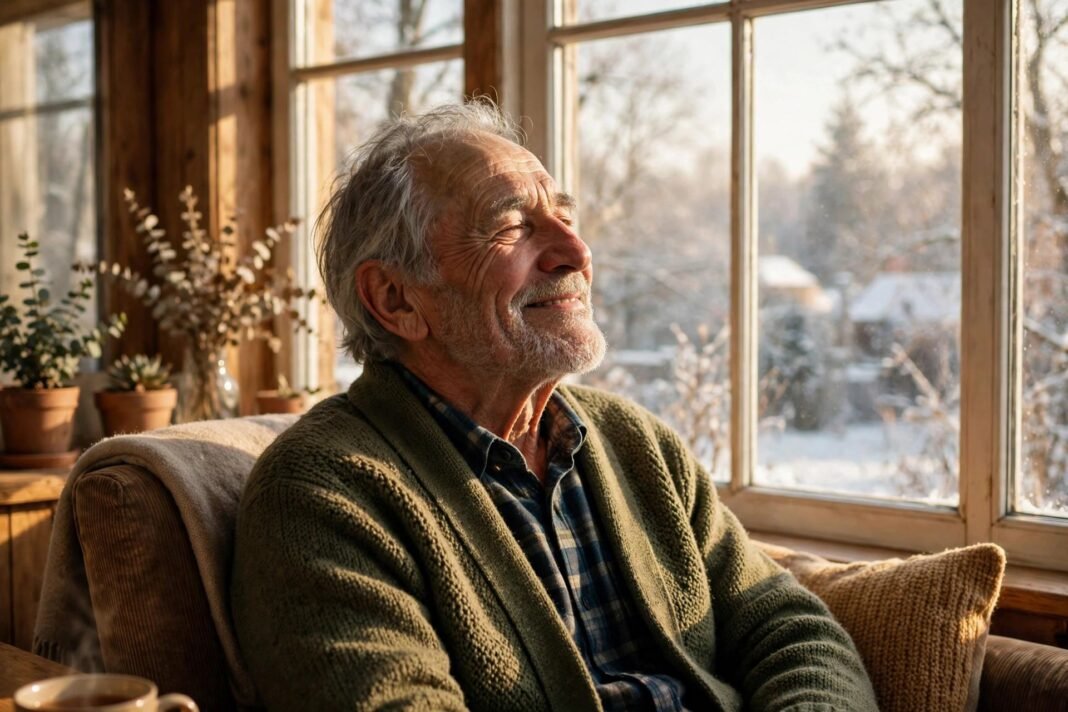
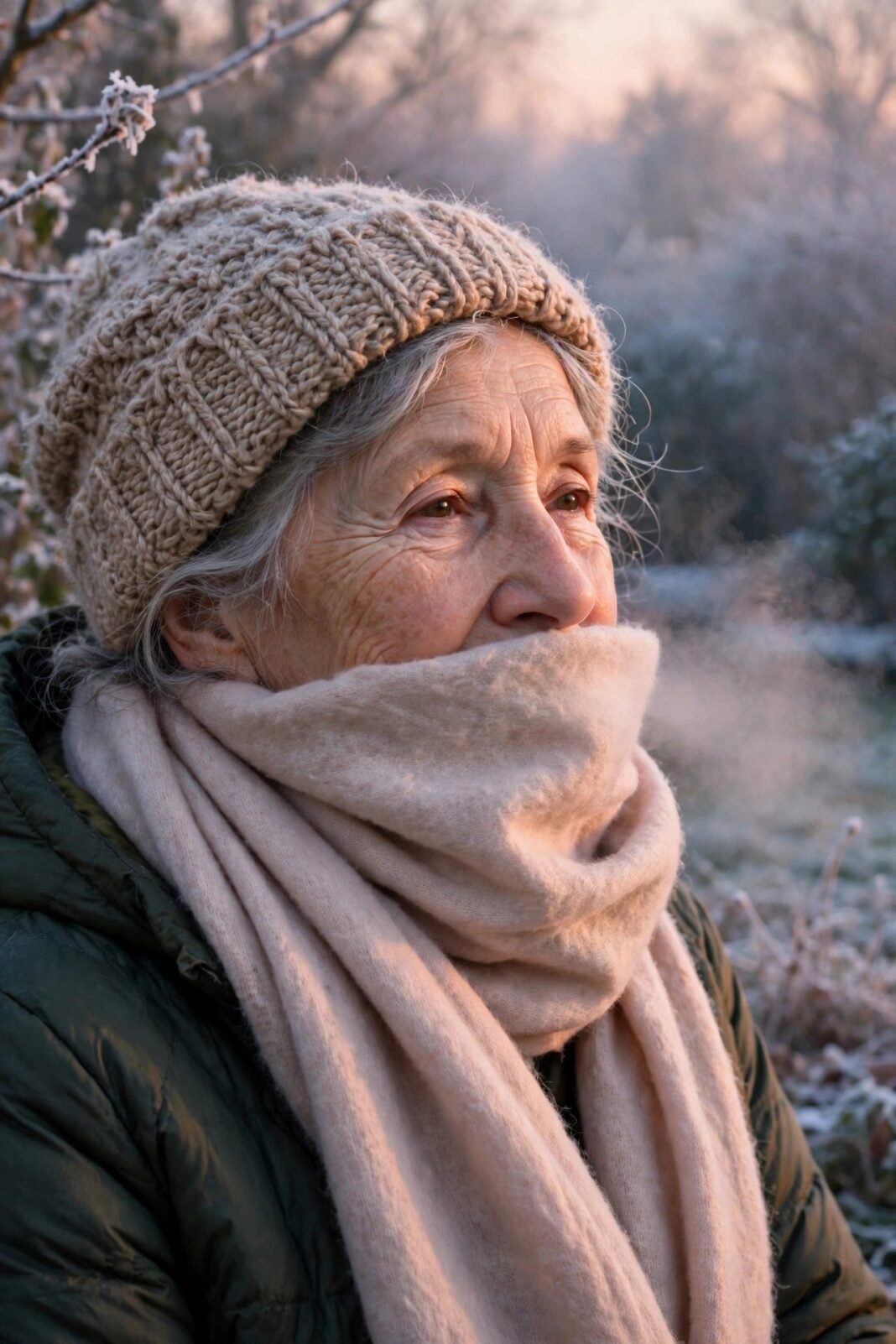
Picture a familiar winter scene in many homes. Grandmother sits by the window in two warm sweaters and a shawl. Meanwhile, her grandson walks past in a thin cotton shirt, perfectly comfortable. The room is the same, yet the two bodies feel it very differently. So why seniors feel colder than the younger people around them is a real question. In fact, the answer lies inside the ageing body itself.
If this scene feels familiar, you are not imagining things. Older bodies truly do feel the cold more deeply. Moreover, this change arrives slowly, over many years. You may first notice it in your hands and feet. Then, one winter, even a mild evening feels bitter. However, this extra chill is not a personal weakness. Instead, it is a normal part of how the body changes with age.
Why Seniors Feel Colder: Slower Circulation and Thinner Skin
Your blood does far more than carry oxygen around the body. It also carries warmth from your core to your skin. As the years pass, however, blood vessels become less flexible. As a result, warm blood reaches your hands and feet more slowly. Cold fingers and toes are often the first sign. In addition, the heart may pump a little less strongly than before. Together, these small changes leave your outer body feeling the cold first.
Your skin changes with age as well. Over time, it grows thinner and loses some of its protective layer. Beneath the skin, the layer of fat slowly shrinks too. That fat once worked like a warm blanket inside the body. Without it, body heat escapes far more easily. Furthermore, older skin produces less natural oil and sweat. Consequently, the body struggles to adjust when the temperature drops suddenly. A young body reacts quickly, but an older body needs more time.
Muscle plays a quiet role in keeping you warm too. Every small movement you make creates a little body heat. However, muscle mass slowly falls with age, especially without regular movement. Less muscle therefore means less heat produced each day. This is one more reason an older person reaches for a blanket sooner. Even so, gentle daily movement can still support the muscle you have.
A Slower Metabolism, Medicines and Health Conditions
Your metabolism is the engine that burns food and creates heat. With age, that engine naturally runs at a slower speed. So the body produces warmth more slowly than it once did. In other words, the inner fire still burns, just more gently. This slower pace is normal, and it happens to almost everyone. Still, it explains why a room that once felt fine now feels chilly.
Some daily medicines can add to the feeling of cold. For example, certain medicines for blood pressure slow the heart slightly. Others affect how blood flows to the skin and limbs. As a result, your hands may feel cold even indoors. Never stop or change a medicine because of this feeling, though. Instead, mention it at your next appointment and ask for advice. Your doctor can check whether a small adjustment would help.
Certain health conditions can also make the cold feel stronger. An underactive thyroid, for instance, slows the body down in many ways. Feeling cold all the time is one of its common signs. You can read more in our guide to the early signs of thyroid problems. Poor circulation and low iron can add to the chill as well. Therefore, a new or growing cold feeling deserves attention, not silence.
Why Seniors Feel Colder at Home — and How to Stay Comfortably Warm
The good news is that small habits can restore real comfort. Start with layers, because trapped air between clothes holds warmth well. A soft vest over a shirt, for example, warms your core first. Warm socks and closed slippers protect your feet from cold floors. In addition, a light hat indoors helps more than many people expect. A scarf or light hat also keeps your neck and head cosy. So dress for the body you have now, not the one you remember.
Your home can help you stay warm as well. Keep the room where you sit during the day comfortably warm. Close curtains at dusk, since they hold the day’s warmth inside. Warm meals and warm drinks also lift your comfort from within. However, older adults often drink too little water in cold weather. Our article on winter dehydration signs explains this hidden risk clearly. So keep a warm drink nearby throughout the day.
Gentle movement warms the body from the inside too. Stand up regularly and walk around your home a little. Wiggle your fingers and toes while you sit and watch television. These tiny movements wake up your circulation kindly. Also, keep a soft blanket over your knees during rest times. Finally, a warm bath before bed can help you sleep comfortably.
When Feeling Cold All the Time Needs a Doctor
Feeling colder with age is usually normal, but some signs need checking. Book a visit if you feel cold even in a warm room. Also seek advice if the cold feeling is new or suddenly worse. Other warning signs include unusual tiredness, pale skin, or unexplained weight change. Similarly, numb or painful fingers that turn white need prompt attention. A simple blood test can often reveal the cause. Then your doctor can guide you toward the right support.
This article is general information, not medical advice. Please speak to a healthcare professional if you are worried about your health.
Ageing changes the body, yet comfort is still fully within reach. Now you understand why seniors feel colder with each passing year. With warm layers, a cosy room, and gentle daily movement, winter can feel kind again. Above all, listen to your body and ask for help early. Your comfort matters at every age, and you deserve warm days. So tell us — what is your favourite way to stay warm and cosy when the cold weather arrives?