


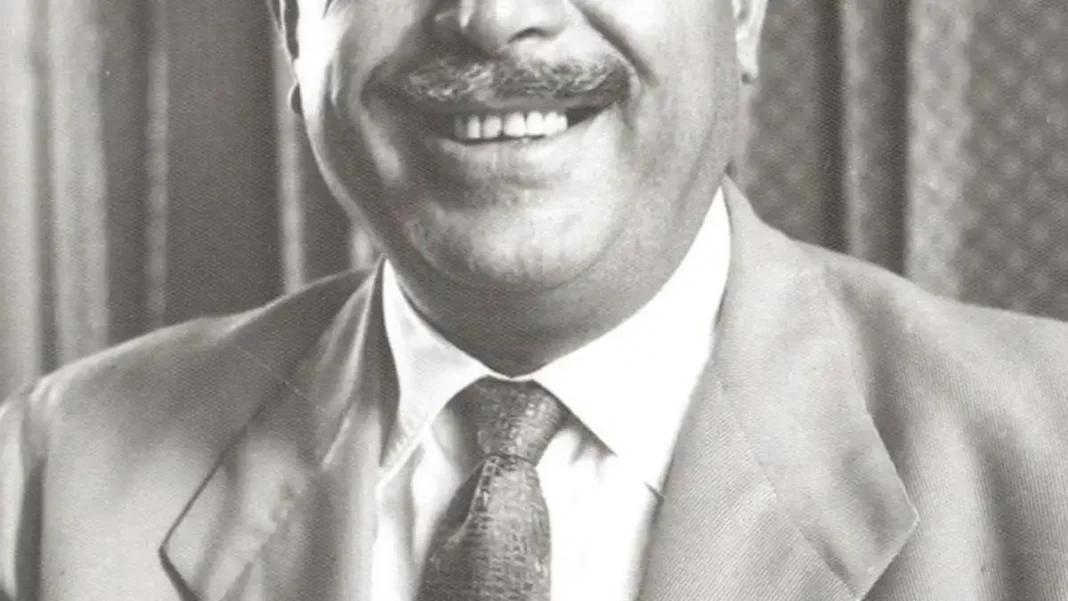
The 2nd president of Pakistan was Field Marshal Mohammad Ayub Khan, who ruled from 27 October 1958 to 25 March 1969 — the longest presidency in the country’s history. His decade brought dams, a new capital and rapid growth, and ended in war, protest and resignation.
Quick answer: The 2nd president of Pakistan was Ayub Khan (27 October 1958 – 25 March 1969). Army chief turned president, he built Mangla and Tarbela dams, founded Islamabad, fought the 1965 war with India, and resigned amid mass protests in 1969.
In this guide
The Rise to Power
Born in 1907 in Haripur (then NWFP), Ayub Khan was Pakistan’s first native army chief, appointed in 1951. When President Iskander Mirza declared martial law on 7 October 1958, he named Ayub chief martial law administrator — and twenty days later Ayub deposed Mirza and took the presidency himself. A 1960 referendum and the 1962 Constitution (with its “Basic Democracies” system of 80,000 indirectly elected representatives) gave his rule a civilian facade.
The Decade of Development
The 1960s under Ayub are remembered as Pakistan’s “decade of development”: GDP growth averaged around 6% a year, the Mangla Dam (1967) and Tarbela Dam (begun 1968) were built, the Green Revolution transformed Punjab’s agriculture, and Islamabad rose as the new capital. Pakistan aligned with the United States through CENTO and SEATO, and Ayub published his memoir Friends Not Masters in 1967. But growth concentrated wealth in a few families — the famous “22 families” critique — while East Pakistan felt increasingly marginalised.
The Fall
The 1965 war with India over Kashmir ended in a stalemate sealed by the Tashkent Declaration (January 1966), which many Pakistanis saw as a sell-out — Foreign Minister Zulfikar Ali Bhutto resigned and turned opposition leader. Economic discontent, the concentration of wealth and Bengali alienation fuelled mass protests in 1968–69. On 25 March 1969, ailing and isolated, Ayub handed power to army chief Yahya Khan — Pakistan’s second martial law. He died in 1974. Next in the series: the 3rd president, Yahya Khan.
Ayub Khan’s Legacy
Ayub’s decade is still argued over in Pakistan. Supporters point to 6% growth, the great dams, the new capital and Pakistan’s emergence as a developing-world showcase; critics point to the “22 families”, the neglect of East Pakistan that led to 1971, and the original sin of military rule. The truth most historians settle on: genuine development, captured by a narrow elite, that stored up the explosions of the decade that followed.
Frequently Asked Questions
How did Ayub Khan become president?
He was army chief when President Iskander Mirza imposed martial law in October 1958 and named him chief martial law administrator. Ayub then removed Mirza on 27 October 1958 and assumed the presidency himself.
Why did Ayub Khan resign?
Nationwide protests in 1968–69 over economic inequality, the aftermath of the 1965 war and Bengali grievances made his position untenable. He resigned on 25 March 1969 and handed power to General Yahya Khan.
 — the decade of development, the 1965 war and the fall.)