


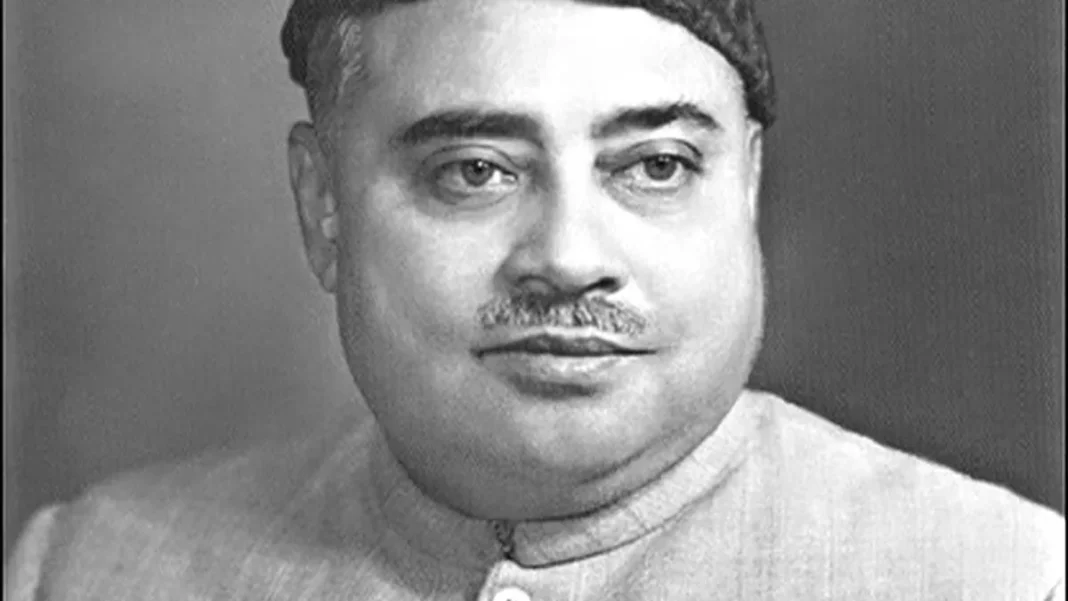
He is the only Pakistani to have been both Governor-General and Prime Minister — and his dismissal in 1953 set the template for civil-military power struggles that haunt Pakistan to this day. This is the story of Khawaja Nazimuddin, Pakistan’s second prime minister.
Quick answer: Khawaja Nazimuddin was Pakistan’s 2nd prime minister (17 October 1951 – 17 April 1953). He took office after Liaquat Ali Khan’s assassination, having been Governor-General since Jinnah’s death — and was dismissed by Governor-General Ghulam Muhammad in 1953.
In this guide
From Governor-General to PM
Nazimuddin — a Bengali aristocrat from Dhaka, educated at Cambridge — became Governor-General in September 1948 after Jinnah’s death. When Liaquat was assassinated in October 1951, the Muslim League needed a steady hand: Nazimuddin stepped down as GG (Ghulam Muhammad replaced him) and took the premiership. It was a demotion in protocol but an elevation in responsibility — or so it seemed.
The Premiership
His 18 months were dominated by crisis: the anti-Ahmadiyya agitation in Punjab (1953), economic strain, and a power struggle with the ambitious Governor-General Ghulam Muhammad. Nazimuddin, a constitutionalist by temperament, refused to sack his cabinet on the GG’s demand — and paid for it. He also oversaw the framing debates that would eventually produce the 1956 Constitution.
The 1953 Dismissal
On 17 April 1953, Ghulam Muhammad dismissed Nazimuddin using the Governor-General’s reserve powers — despite Nazimuddin commanding the assembly’s confidence. The Federal Court upheld the dismissal in the famous Maulvi Tamizuddin case, blessing viceregal intervention. It was Pakistan’s original sin of constitutionalism: the precedent that unelected power could remove elected governments. The full list: Pakistan prime minister list.
Nazimuddin’s Legacy
Nazimuddin is remembered less for his 18 months as PM than for what his dismissal unleashed: the Tamizuddin Khan case legitimised the Governor-General’s — and later the presidency’s and military’s — power to sack elected governments. Every subsequent dismissal, from Bogra’s assembly dissolution to the coups, traces a line back to April 1953. A gentle constitutionalist, he became the precedent for unconstitutionalism — Pakistani history’s cruellest irony.
Frequently Asked Questions
Who was the second prime minister of Pakistan?
Khawaja Nazimuddin (17 October 1951 – 17 April 1953), previously the Governor-General. He succeeded the assassinated Liaquat Ali Khan.
Why was Nazimuddin dismissed?
Governor-General Ghulam Muhammad dismissed him on 17 April 1953 amid the Punjab disturbances and a power struggle — despite his parliamentary majority. The courts upheld it, setting a fateful precedent.
: from Governor-General to premier, the 1953 dismissal and his legacy.)