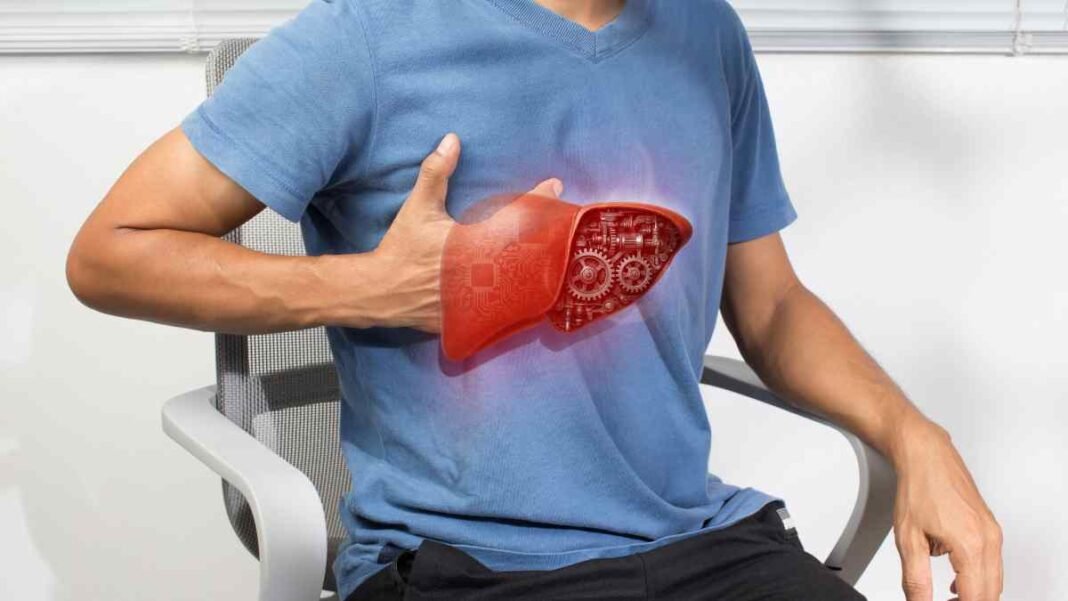
A growing body of research is raising concern about increasing liver disease risk, particularly from a condition now affecting millions worldwide. Scientists have identified three major health factors that significantly increase the chances of dying from a serious liver condition known as Metabolic Dysfunction-Associated Steatotic Liver Disease.
This condition is not caused by alcohol. Instead, it develops when excess fat accumulates in the liver. Experts say it is becoming more common due to modern lifestyles.
What Is MASLD and Why It Matters
MASLD (Metabolic Dysfunction-Associated Steatotic Liver Disease) is a chronic liver condition linked to metabolic health. Unlike traditional liver diseases tied to heavy drinking, this condition is associated with poor diet, inactivity, and underlying health problems.
Health experts estimate that up to one in five people may already be affected. Some studies suggest the real number could be even higher.
What makes MASLD especially dangerous is that it often develops silently. Many people do not experience clear symptoms until the disease has progressed.
In the early stages, MASLD often shows no clear symptoms, which makes it dangerous. But as it progresses, people may face:
- Constant tiredness and low energy
- Discomfort or pain in the upper right abdomen
- Unexplained weight changes
- Weakness and difficulty concentrating
If left unmanaged, MASLD can become more serious and lead to:
- Liver inflammation (steatohepatitis)
- Liver scarring (fibrosis)
- Severe damage known as cirrhosis
- Increased risk of liver failure
The 3 Major Risk Factors Scientists Identified
Researchers from the University of Southern California analyzed health data from over 134,000 individuals. Their findings highlight three key conditions that increase liver disease risk:
1. High Blood Pressure
High blood pressure showed the strongest link. It increased the risk of death from MASLD by up to 40 percent.
2. Type 2 Diabetes
Patients with Type 2 Diabetes faced about a 25 percent higher risk of death related to liver disease.
3. Low HDL Cholesterol
Low levels of HDL, often called “good cholesterol,” raised the risk by around 15 percent.
What Researchers Say About These Findings
Lead researcher Matthew Dukewich explained that the findings challenge earlier assumptions.
Previously, diabetes was considered the biggest concern for MASLD patients. However, this study shows that high blood pressure may play an even larger role.
Co-author Norah Terrault emphasized that MASLD is complex. Understanding which risk factors worsen outcomes can help doctors improve treatment strategies.
The research tracked participants over three decades, from 1988 to 2018. Among them:
- Over 21,000 individuals had MASLD
- Each additional metabolic risk factor increased death risk by 15 percent
- The findings were published in Clinical Gastroenterology
Researchers recommend that doctors prioritize patients who show multiple cardiometabolic risk factors.
Why Liver Disease Risk Is Increasing
Experts believe lifestyle changes are a major driver behind rising liver disease risk. Key contributors include:
- Sedentary habits
- High intake of ultra-processed foods
- Diets rich in sugar, salt, and unhealthy fats
These factors are increasingly affecting younger populations. Alarmingly, cases in children have doubled in recent years.
The Hidden Dangers
The rise in liver disease risk is closely linked to the growing burden of cardiometabolic conditions. Millions of people are living with high blood pressure, while cases of Type 2 Diabetes continue to increase worldwide.
Medical evidence shows that these conditions do not exist in isolation. According to research highlighted by the World Health Organization, interconnected metabolic disorders significantly raise the risk of long-term organ damage, including the liver. When combined, these factors can accelerate the progression of conditions like Metabolic Dysfunction-Associated Steatotic Liver Disease.
What makes this trend particularly concerning is the silent nature of the disease. Many individuals remain unaware until complications develop, which reduces the chances of early intervention.
Key Preventive Measures
Health institutions recommend focusing on measurable and medically relevant indicators:
- Regular monitoring of blood pressure to prevent unnoticed elevation
- Consistent control of blood glucose levels
- Maintaining balanced cholesterol, especially improving HDL levels
- Engaging in routine physical activity to support metabolic health
- Limiting intake of ultra-processed and high-fat foods
Guidance from the American Heart Association suggests that managing these core health markers can significantly reduce the risk of both cardiovascular and liver-related complications.